Wedding Event Planning: Guide to Timelines, Venues, and Practical Insights
Wedding event planning is the process of organizing the major activities, people, locations, schedules, and resources needed for a wedding celebration. It can cover everything from selecting a venue and setting a date to arranging food, photography, guest transportation, decorations, entertainment, and the ceremony itself.
The planning process varies widely between cultures, religions, countries, and family traditions. A small ceremony may require only a few arrangements, while a large destination celebration can involve several locations, multiple events, international travel, and detailed coordination.
How Wedding Event Planning Works
Wedding event planning generally begins with defining the event's basic requirements. The couple usually identifies the preferred date or season, approximate guest count, type of ceremony, location, and overall spending limit.
After these decisions, the planning process moves through several connected stages:
Initial planning: Establish the date range, guest estimate, event format, priorities, and financial plan.
Venue selection: Identify locations that can accommodate the expected number of guests and required activities.
Supplier coordination: Arrange photography, catering, decoration, music, transportation, accommodation, and other event requirements.
Guest management: Prepare invitations, collect responses, organize seating, and communicate important travel information.
Schedule development: Create a detailed timeline covering the ceremony, reception, meals, speeches, photography, entertainment, and departure.
Final coordination: Confirm arrangements, review timing, prepare contingency plans, and assign responsibilities for the event day.
A simple example is a wedding with 120 guests. The planning team may reserve one venue, arrange a ceremony and reception schedule, coordinate meals, organize transportation, create a seating plan, and prepare an indoor alternative if weather affects an outdoor activity.
Main Wedding Planning Stages
Wedding event planning can be divided into short-term, medium-term, and final-stage activities. Longer planning periods are often useful when the event involves international travel, popular venues, several cultural ceremonies, or a large guest list.
A longer timeline can also allow more time for legal documentation, guest travel arrangements, menu decisions, invitations, attire, and technical planning.
Importance
Why Wedding Event Planning Matters
Wedding event planning brings many separate activities together into one coordinated schedule. Without a clear plan, important details such as guest transportation, meal timing, venue access, photography schedules, or legal documentation can be overlooked.
A structured plan also helps different participants understand their responsibilities. The couple, family members, venue team, photographers, caterers, musicians, decorators, and transportation providers may all work from different schedules, so a shared timeline can reduce confusion.
Venue Selection and Guest Capacity
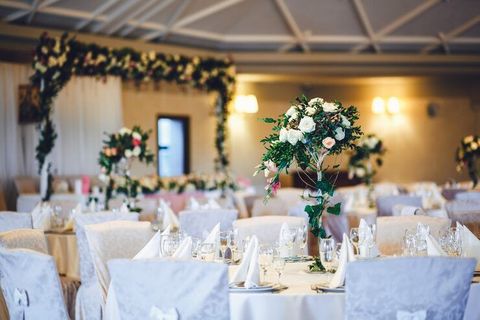
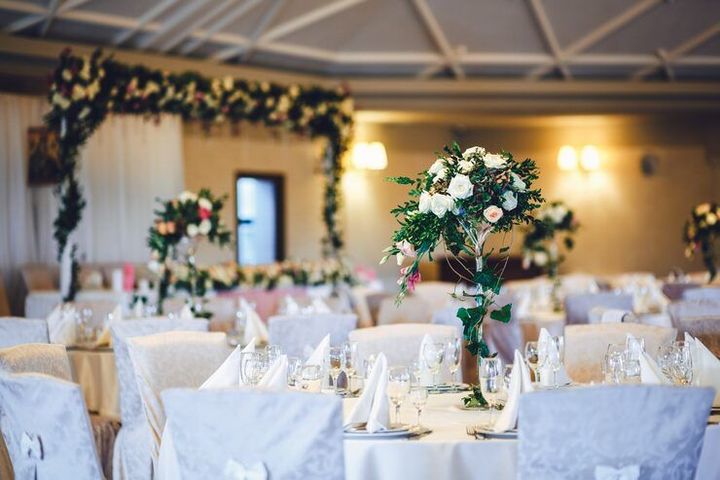
Venue selection is one of the earliest major decisions because the location affects the event layout, guest movement, catering arrangements, accommodation, transportation, and weather planning.
Important venue considerations include:
Capacity: The location should accommodate the expected number of guests while allowing suitable movement between areas.
Layout: Check spaces for the ceremony, reception, dining, photography, entertainment, and private preparation.
Accessibility: Consider entrances, elevators, accessible restrooms, parking, and transportation connections.
Weather protection: Outdoor celebrations may require an indoor alternative or suitable weather protection.
Local restrictions: Check rules concerning music, lighting, alcohol, decorations, fireworks, amplified sound, and event hours.
Guest logistics: Consider nearby accommodation, airports, public transportation, and road access for international or destination weddings.
Timeline Development
A wedding timeline converts individual arrangements into a sequence of activities. The exact schedule depends on cultural traditions and the event format.
A general planning timeline may look like this:
| Planning Period | Main Activities | Key Considerations |
|---|---|---|
| 12–18 months | Date, venue, event format | Guest size and location |
| 9–12 months | Major suppliers and travel planning | Availability and contracts |
| 6–9 months | Invitations, attire, menu planning | Guest information |
| 3–6 months | Detailed schedules and arrangements | Transportation and accommodation |
| 1–3 months | Final confirmations | Seating and timing |
| Final weeks | Event-day coordination | Documents and contingency plans |
| Event day | Ceremony and reception | Real-time coordination |
The timeline is a planning framework rather than a universal rule. Destination weddings, religious ceremonies, and events involving international guests may require additional preparation.
Technology in Wedding Event Planning
Digital tools are increasingly used for guest lists, invitations, seating arrangements, schedules, maps, digital checklists, and communication. Shared documents can allow several people to update information without maintaining multiple paper copies.
Digital planning platforms can also connect guest responses with seating arrangements and event schedules. However, important information should be backed up because internet access or device availability may not always be reliable during an event.
Common Challenges
Wedding event planning can become complicated when several activities depend on the same time or location. Common challenges include weather changes, transportation delays, guest cancellations, schedule conflicts, technical problems, dietary requirements, and incomplete documentation.
International weddings can introduce additional considerations such as visa requirements, language differences, currency differences, local marriage rules, and transportation between countries.
Recent Updates
Digital Guest Management
From 2024 through 2026, digital event management has continued to expand across invitations, guest responses, seating plans, event schedules, maps, and mobile communication. Digital systems can reduce manual data entry and make it easier to update information when guest numbers change.
QR-based invitations and digital check-in systems can also be used for selected events. Their usefulness depends on internet availability, guest preferences, privacy considerations, and the event format.
AI-Assisted Planning
AI tools are increasingly being used to generate draft schedules, organize information, summarize planning notes, suggest seating arrangements, and assist with written event materials. These tools can help structure information but should not be treated as authoritative sources for legal marriage requirements or venue rules.
Human review remains important when AI-generated information involves contracts, legal documentation, cultural traditions, accessibility requirements, or sensitive guest information.
Sustainability and Event Management
Sustainability has become a more structured part of event planning. ISO 20121:2024, published in April 2024, provides requirements and guidance for event sustainability management systems and applies to events of different types and sizes. It addresses environmental, social, and economic impacts as part of event planning and delivery.
For weddings, this framework can be relevant to areas such as waste management, energy use, transportation, accessibility, food planning, material selection, and community impacts. ISO 20121 is a management standard rather than a universal legal requirement for weddings.
Emerging Event Sustainability Guidance
In 2026, ISO work also includes ISO/AWI 26540, a developing guidance project concerning the application of ISO 20121:2024 in cultural organizations. It remains under development and therefore should not be treated as a completed requirement.
These developments illustrate a wider shift toward structured sustainability planning rather than treating environmental considerations as a separate activity.
Laws or Policies
Marriage Requirements Vary by Country
Wedding event planning must distinguish between the celebration and the legal marriage. A wedding reception can be organized according to personal preferences, while the legal marriage may require specific documents, approved locations, witnesses, registration procedures, or authorized officials.
There is no single global marriage law. Requirements are established by national, regional, or local authorities and can vary significantly.
Example of Regional Requirements
In England and Wales, couples must decide where the ceremony will take place before giving notice. The ceremony must generally take place within 12 months after notice is given, and the notice process normally requires at least 29 days before the ceremony.
The location can also matter because civil ceremonies may need to take place at a register office or an approved venue. At least two witnesses are required for a marriage ceremony under the stated England and Wales rules.
These requirements demonstrate why couples planning international or destination weddings should verify legal rules with the relevant local authority before finalizing the ceremony structure.
Documents and International Couples
Document requirements can include passports, birth certificates, proof of address, evidence of previous marriage dissolution, immigration documentation, or translated documents, depending on the jurisdiction.
For example, England and Wales require specific original documents when giving notice, with additional documentation potentially required for people from outside the UK.
Other countries use different systems. Some recognize only civil ceremonies for legal purposes, while others allow religious ceremonies to have legal status when specific conditions are met. Local government or civil registration authorities should be used to verify current requirements.
Venue, Safety, and Privacy Rules
Wedding venues can also be subject to local requirements covering occupancy, fire safety, food hygiene, alcohol licensing, noise, public gatherings, accessibility, and temporary structures.
Guest information requires careful handling as well. Names, contact details, travel information, dietary requirements, photographs, and other personal information may be subject to privacy laws depending on the jurisdiction and organization handling the data.
Tools and Resources
Planning Spreadsheets
A spreadsheet can track guests, invitations, responses, seating arrangements, suppliers, payments, deadlines, transportation, and accommodation. Separate worksheets can be used for different planning categories.
Digital Calendars and Task Managers
Digital calendars help coordinate appointments, deadlines, venue visits, rehearsals, fittings, document submissions, and final confirmations. Shared calendars can help several participants work from the same schedule.
Seating and Floor-Plan Tools
Digital floor-plan tools can represent tables, chairs, stages, dance areas, entrances, food stations, and accessible pathways. These layouts can be adjusted when guest numbers change.
Maps and Travel Planning Tools
Mapping platforms can help calculate travel distances between airports, hotels, ceremony locations, reception venues, and photography locations. This is particularly useful for destination weddings.
Legal and Standards Resources
Government marriage-registration websites should be used to confirm legal requirements. International standards organizations such as ISO provide information about event sustainability frameworks, including ISO 20121:2024.
Event-Day Coordination Documents
A final event document can contain the ceremony schedule, contact information, venue access times, transportation details, meal timing, photography schedule, emergency contacts, seating information, and contingency arrangements.
FAQs
What is wedding event planning?
Wedding event planning is the organized process of preparing a wedding ceremony and celebration, including the date, venue, guest list, schedule, food, transportation, photography, entertainment, documentation, and event-day coordination.
How far in advance should wedding event planning begin?
The required timeline depends on the location, guest count, venue availability, cultural traditions, and legal requirements. Larger or international weddings may require 12 months or more of preparation, while smaller events can have shorter planning periods.
What should be included in wedding event planning?
Wedding event planning can include venue selection, guest management, invitations, catering, transportation, accommodation, photography, entertainment, decorations, legal documentation, seating arrangements, and an event-day schedule.
How does technology support wedding event planning?
Digital calendars, spreadsheets, guest-management platforms, floor-plan tools, mapping systems, and AI-assisted planning tools can help organize information and coordinate schedules. Important legal and contractual details should still be verified through appropriate human or official sources.
What legal documents are needed for wedding event planning?
Documents vary by country and may include identification, birth records, proof of address, immigration documents, evidence of previous marriage dissolution, and translated records. The exact requirements should be confirmed with the relevant marriage-registration authority.
Conclusion
Wedding event planning combines venue selection, guest coordination, scheduling, logistics, technology, and legal preparation into one organized process. A clear timeline can help connect major decisions with smaller event-day activities while allowing room for changes. Digital planning tools and AI-assisted systems are expanding the ways information can be organized, while ISO 20121:2024 provides an international framework for structured event sustainability management. Legal requirements remain location-specific, making verification with the appropriate local authority an important part of planning.