Supper Club Experiences: Guide to Dining Formats and Practical Insights
Supper club experiences are social dining gatherings that combine a shared meal with a particular atmosphere, theme, location, or community. Unlike conventional restaurant dining, a supper club may take place in a private home, creative venue, garden, studio, rooftop, or temporary event space.
The format can range from a small dinner hosted by an individual to a professionally organized event with a fixed menu and scheduled seating. Some gatherings focus on regional cuisine, seasonal ingredients, cultural themes, live cooking, storytelling, or interaction between guests.
How Supper Clubs Developed
Shared meals have existed across many cultures for centuries, but the modern supper club format has developed through informal dining communities, pop-up events, private chefs, culinary groups, and social networks.
Modern supper clubs often emphasize limited seating and a specific theme. This creates a setting where guests may meet people they have not previously known while experiencing a planned meal in a less conventional environment.
Common Supper Club Formats
Supper clubs can follow several different structures:
Private-host dinners: A host welcomes a small group into a home or private space.
Pop-up dining: A temporary dining event operates at a changing venue.
Chef-led dinners: A chef creates a planned menu around a particular culinary theme.
Community dinners: Guests gather around a shared cultural, neighborhood, or interest-based theme.
Themed dining nights: Food, decoration, music, and activities follow a particular concept.
Seasonal gatherings: Menus are designed around ingredients associated with a particular season.
Tasting-format events: Several small courses allow guests to sample different dishes.
Collaborative dinners: Chefs, artists, musicians, or other creators contribute to the experience.
Importance
Social Connection
One important feature of supper club experiences is interaction. Guests commonly sit together at shared tables rather than being separated into individual dining areas.
This format can encourage conversation between people with different backgrounds and interests. The social element can be as important as the food itself.
Culinary Exploration
Supper clubs can introduce diners to dishes, ingredients, and cooking techniques that may not appear regularly on conventional menus.
A themed evening might focus on a regional cuisine, historical recipe collection, fermentation, seasonal produce, or a particular cooking method. Because the menu is usually planned around a central idea, the meal can provide a more focused culinary experience.
Intimate Dining Environment
Many supper clubs use smaller spaces and limited seating. A smaller group can create a quieter environment where guests have more opportunities to interact with hosts and other diners.
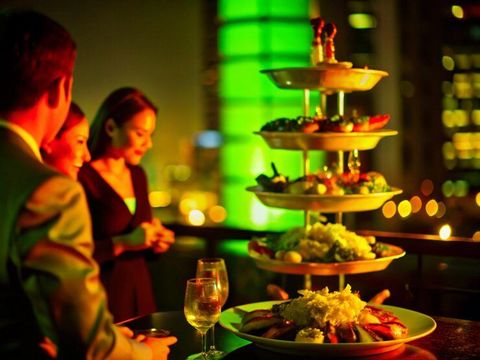
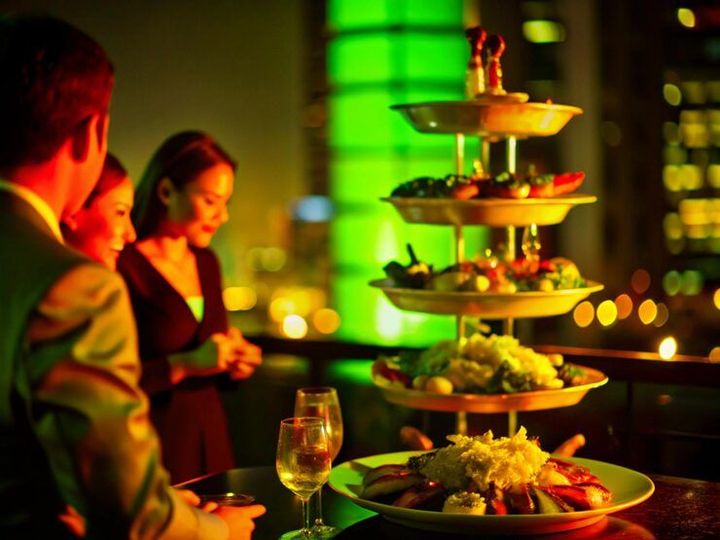
The atmosphere may include shared tables, informal seating, curated lighting, music, table decorations, or open-kitchen cooking.
Community Building
Supper clubs can also function as community spaces. Local residents, food enthusiasts, travelers, creative professionals, and cultural groups may use these gatherings to build social connections.
In some locations, recurring dinners create an ongoing community rather than a single event.
Recent Updates
Growth of Pop-Up Dining
Temporary dining formats have become increasingly visible in cities around the world. Pop-up events allow organizers to experiment with locations, menus, and themes without maintaining a permanent dining space.
Supper clubs can therefore appear in restaurants outside regular operating hours, galleries, farms, rooftops, private residences, and other permitted venues.
Digital Event Discovery
Social media, event platforms, newsletters, and private community groups have changed how people discover supper club experiences.
Organizers can publish menus, dates, themes, seating information, and event rules through digital channels. Some groups use private invitations or membership-based communities to manage attendance.
Greater Interest in Local and Seasonal Food
Many contemporary dining events emphasize local ingredients, seasonal menus, regional recipes, and direct relationships with food producers.
This approach can make each event different because the menu may change according to available ingredients and the season.
Experience-Focused Dining
Modern diners increasingly encounter formats where food is combined with storytelling, music, demonstrations, cultural activities, or creative environments.
For supper clubs, this can mean that the meal becomes part of a broader experience rather than the only focus of the evening.
Technology and Event Management
Digital reservation systems, payment platforms, digital invitations, menu-management tools, and communication platforms can simplify event organization.
Some organizers also use digital questionnaires to collect information about dietary restrictions and seating preferences before the event.
Laws or Policies
Supper club experiences can be affected by different regulations depending on the location, venue, number of guests, and food preparation arrangements.
Food Safety Requirements
Food preparation and handling generally need to follow applicable local food safety rules. Requirements can cover temperature control, ingredient handling, sanitation, kitchen conditions, allergen information, and food storage.
Rules for a private home may differ from those applying to a commercial kitchen or temporary event location.
Licensing and Venue Rules
Some jurisdictions require specific permissions for public or commercial food events. A recurring supper club may face different requirements from a private meal among invited friends.
Before organizing an event, hosts should check the applicable rules for the location and venue.
Alcohol Regulations
Where alcoholic beverages are served, separate regulations may apply. Requirements can vary considerably between countries, states, provinces, and municipalities.
Organizers should verify whether permits, age verification, restricted-service rules, or venue permissions apply.
Allergen Information
Food allergies can create significant safety concerns during shared meals. Organizers should establish a process for collecting dietary information and communicating ingredients clearly.
Common allergens can include nuts, dairy, eggs, wheat, soy, fish, shellfish, and sesame, although the legally recognized list varies by jurisdiction.
Fire and Occupancy Requirements
Events held in homes, studios, rooftops, gardens, or temporary venues may be subject to occupancy, fire-safety, emergency-access, and building requirements.
These rules are particularly relevant when an event involves larger groups or temporary equipment.
Tools and Resources
Event Planning Tools
Organizers can use digital calendars, invitation platforms, registration systems, spreadsheets, and communication applications to manage attendance.
Useful information to track includes:
Guest names and contact details
Event date and seating time
Dietary restrictions
Allergies
Menu requirements
Venue capacity
Payment status
Special accessibility requirements
Menu Planning Resources
Menu planning tools can help organizers create balanced multi-course meals and track ingredients.
A structured menu may include:
| Course | Typical Role | Example |
|---|---|---|
| Welcome dish | Introduces the theme | Small seasonal bite |
| Starter | Begins the meal | Vegetable or seafood dish |
| Main course | Central dish | Regional specialty |
| Side dish | Complements main course | Grain or vegetable preparation |
| Dessert | Finishes the meal | Seasonal dessert |
| Beverage | Supports the menu | Non-alcoholic or specialty drink |
Food Safety Resources
Official food-safety authorities in the relevant jurisdiction are useful sources for temperature guidance, sanitation requirements, allergen information, and food-handling rules.
For international events, organizers should rely on the regulations applicable to the specific country or locality rather than assuming that one framework applies worldwide.
Accessibility Planning
A well-planned supper club should consider physical access, seating arrangements, restroom access, communication needs, and dietary requirements.
Providing these details before registration allows guests to determine whether the event environment is suitable for them.
FAQs
What Are Supper Club Experiences?
Supper club experiences are organized social meals that combine food with a particular theme, community, setting, or activity. They may take place in private homes, temporary venues, creative spaces, or other permitted locations.
How Do Supper Club Experiences Differ From Restaurants?
Supper club experiences often have limited seating, a fixed or curated menu, and a stronger social or thematic element. Restaurants generally operate on a more regular schedule with broader menu structures and individual table arrangements.
What Should Guests Expect at a Supper Club?
Guests may encounter shared seating, a fixed multi-course menu, introductions from the host, themed decorations, storytelling, cooking demonstrations, or other activities. The exact format depends on the organizer and event concept.
Are Supper Clubs Suitable for Dietary Restrictions?
They can be, provided the organizer collects dietary and allergy information in advance and has the ability to prepare appropriate meals safely. Guests should communicate important restrictions before attending.
What Makes a Supper Club Experience Different?
The combination of food, social interaction, location, theme, and limited attendance can distinguish a supper club from ordinary dining. The emphasis is often placed on the overall atmosphere and shared experience.
Conclusion
Supper club experiences combine dining with social interaction, culinary exploration, and themed environments. Their formats can range from intimate home gatherings to temporary chef-led events and community-focused dinners.
The growth of digital event discovery, seasonal cooking, pop-up venues, and experience-focused dining has expanded the variety of supper club formats available worldwide. For organizers and guests, understanding food safety, venue requirements, dietary considerations, accessibility, and event structure can help create a well-planned dining experience.