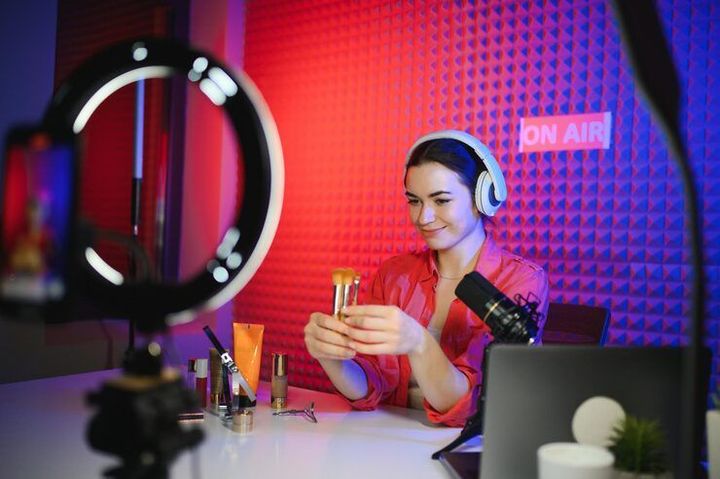
Live-Commerce Entertainment: Discover Trends, Features, and Important Facts
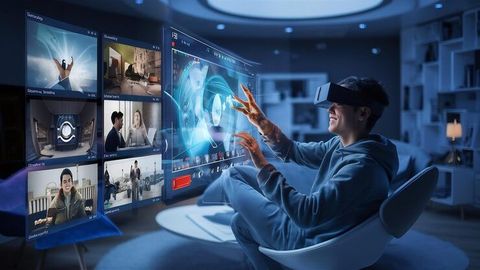
Live-commerce entertainment combines livestreaming, interactive content, and digital shopping into one experience. During a live broadcast, hosts, creators, brands, or presenters demonstrate products while viewers can interact through comments, reactions, polls, and other digital features.
Unlike traditional online product pages, live-commerce entertainment adds a real-time social and audiovisual element. Viewers can watch demonstrations, ask questions, compare features, and follow conversations while the livestream is taking place.
The format has developed across social media platforms, dedicated shopping applications, video platforms, and brand websites. Its structure can range from short product demonstrations to longer programs featuring multiple presenters, games, interviews, tutorials, and audience participation.
How Does Live Commerce Work?
A typical live-commerce session connects several digital components:
Livestreaming: Video and audio are delivered to viewers in real time.
Product presentation: A host demonstrates or explains featured products.
Interactive chat: Viewers can submit questions and reactions.
Product information: Digital cards can display specifications, images, availability, and pricing.
Interactive features: Polls, quizzes, reactions, and limited-time activities can increase participation.
Digital checkout: Some platforms allow viewers to move from the livestream directly into a purchasing interface.
The exact structure depends on the platform, geographic market, product category, and local regulations.
Importance
Combining Entertainment With Commerce
Live-commerce entertainment changes the traditional relationship between entertainment and shopping. Instead of separating product discovery from entertainment, a livestream can place both activities within the same digital environment.
For example, a technology livestream might demonstrate a new device while a presenter answers questions from viewers. A fashion broadcast could combine styling demonstrations, interviews, audience polls, and product information.
Real-Time Audience Interaction
Interaction is one of the defining characteristics of live commerce. Viewers can respond immediately instead of waiting for a conventional product review or advertisement.
Common interaction formats include:
Live comments
Reactions and emojis
Polls
Questions and answers
Product demonstrations
Audience challenges
Creator discussions
Interactive quizzes
These features can create a more participatory viewing environment.
Data and Audience Insights
Digital platforms can generate information about viewing behavior, engagement, product interactions, and audience responses. Depending on the platform and applicable privacy rules, businesses and creators can use aggregated information to understand which parts of a livestream attract attention.
Important measurements may include:
| Metric | What It Indicates |
|---|---|
| Concurrent viewers | Number of people watching at the same time |
| Watch time | Duration of audience viewing |
| Engagement rate | Level of interaction with the broadcast |
| Chat activity | Volume of audience participation |
| Product clicks | Interest in featured products |
| Conversion rate | Percentage of relevant visitors completing an intended action |
| Repeat viewers | Audience retention across multiple broadcasts |
These measurements can help teams improve future livestream formats and content planning.
Recent Updates
Growth of Social Video Commerce
Social video continues to influence how people discover products, creators, entertainment, and brands. Platforms are increasingly combining short-form video, livestreaming, creator content, and digital commerce within connected ecosystems.
This has made live-commerce entertainment more than a simple livestream with a product link. Modern formats can include creator collaborations, interactive demonstrations, entertainment segments, community discussions, and personalized recommendations.
Creator-Led Commerce
Creators have become an important part of live-commerce ecosystems because audiences often follow individuals for their presentation style, expertise, or entertainment value.
A creator-led livestream may focus on:
Product demonstrations
Beauty and fashion content
Consumer electronics
Food and cooking
Home products
Sports-related products
Collectibles
Gaming-related merchandise
Lifestyle products
The relationship between the presenter and audience can influence how viewers interact with the content.
Mobile-First Experiences
Mobile devices remain central to social video and livestream consumption. As a result, live-commerce interfaces increasingly emphasize vertical video, simplified navigation, touch-based interactions, captions, and fast transitions between content and product information.
Mobile-first design is particularly important when audiences are watching through social platforms rather than conventional desktop websites.
Interactive Entertainment Formats
Live commerce is also moving toward more structured entertainment. Programs can include hosts, guests, games, audience voting, demonstrations, interviews, and themed episodes.
This approach gives viewers reasons to remain engaged even when they are not immediately interested in a featured product.
Laws or Policies
Consumer Protection
Live-commerce activities are generally subject to consumer protection rules applicable to advertising, product claims, pricing information, refunds, and commercial communications.
Requirements differ by country and product category. Businesses operating internationally should review the regulations applicable to each target market.
Advertising Disclosure
Creator and influencer content may require clear disclosure when there is a commercial relationship between the creator and a brand.
In the United States, the Federal Trade Commission provides guidance concerning endorsements and advertising disclosures. Other jurisdictions have their own advertising standards and disclosure requirements.
Privacy and Personal Data
Live-commerce platforms may collect information related to accounts, interactions, viewing behavior, transactions, and device activity.
Privacy requirements can differ substantially between jurisdictions. Regulations such as the European Union's General Data Protection Regulation establish requirements concerning personal data processing, transparency, user rights, and organizational responsibilities.
Platform Rules
Social platforms and commerce platforms normally maintain their own rules covering prohibited products, advertising, intellectual property, creator behavior, misleading claims, user safety, and commercial content.
Organizations should review the current policies of each platform before conducting commercial livestreams.
Tools and Resources
Livestreaming Equipment
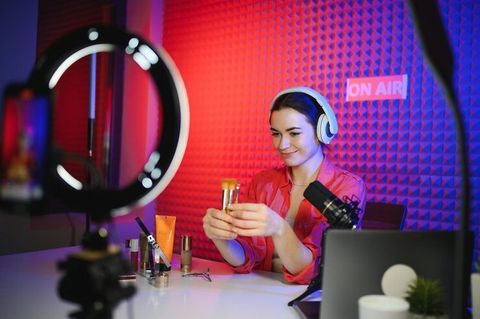
A basic live-commerce production setup can include:
Smartphone or camera
Microphone
Stable internet connection
Lighting equipment
Tripod or camera mount
Product display area
Monitoring device
Higher-production broadcasts may use multiple cameras, switching systems, studio lighting, graphics, teleprompters, and dedicated audio equipment.
Streaming Software
Streaming software can combine camera feeds, graphics, product information, comments, overlays, and other visual elements.
The appropriate setup depends on the number of presenters, broadcast quality, platform requirements, and production complexity.
Analytics Platforms
Analytics dashboards can provide information about viewers, engagement, watch time, clicks, and audience activity. These measurements can help teams identify which formats generate sustained attention.
Content Planning
Successful livestream production usually requires more than technical equipment. A structured content plan can define:
Opening segment
Presenter introduction
Product demonstration
Audience interaction
Questions and answers
Entertainment segments
Product information
Closing discussion
Clear planning can make the broadcast easier to follow while leaving room for spontaneous audience interaction.
FAQs
What Is Live-Commerce Entertainment?
Live-commerce entertainment is a digital format that combines livestreamed entertainment, audience interaction, product presentation, and online commerce within the same viewing experience.
How Does Live-Commerce Entertainment Differ From Traditional Online Shopping?
Traditional online shopping usually relies on static product pages, images, specifications, and prerecorded media. Live commerce adds real-time video, conversations, demonstrations, audience participation, and immediate interaction.
Which Products Can Be Presented Through Live Commerce?
Many categories can use livestream formats, including fashion, electronics, beauty products, home products, food, hobbies, collectibles, and lifestyle products. Suitability depends on the product, platform, audience, and applicable regulations.
Why Is Audience Interaction Important?
Interaction allows viewers to ask questions, respond to demonstrations, participate in polls, and communicate with presenters. This creates a more dynamic experience than a static product page.
Is Live Commerce Available Worldwide?
Live-commerce adoption varies by market. Platform availability, consumer behavior, payment infrastructure, regulations, and digital shopping habits all influence how widely the format is used in different regions.
Conclusion
Live-commerce entertainment combines real-time video, interactive media, creator content, and digital commerce into a single experience. Its development reflects broader changes in social video, mobile content, creator ecosystems, and online shopping.
Modern live-commerce formats can include product demonstrations, audience questions, entertainment segments, polls, quizzes, and creator collaborations. These features create multiple ways for viewers to participate while learning about featured products.
As the format develops, businesses and creators need to consider content quality, audience engagement, transparent advertising, privacy, platform policies, and regional regulations. Understanding these elements provides a practical foundation for exploring the evolving live-commerce entertainment landscape.