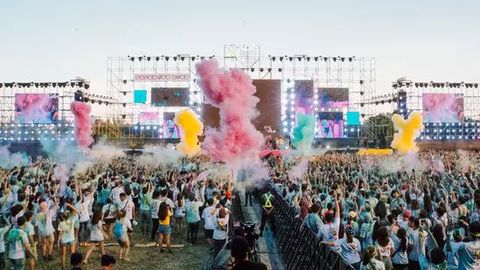
Interactive Fan Experiences: Guide to Technology and Practical Insights
Interactive fan experiences use digital technology, connected devices, venue systems, and personalized content to create more active participation during sports, entertainment, music, and live events. Instead of only watching a performance, fans can interact with displays, mobile platforms, augmented reality features, voting systems, games, digital collectibles, and venue-based activities.
These experiences can be delivered inside stadiums, arenas, concert venues, fan zones, museums, festivals, and online platforms. A simple example is a mobile application that allows spectators to view live statistics, participate in polls, access venue information, and interact with event content while watching the main event.
How Technology Connects Fans With Events
Interactive fan experiences generally combine several technologies. Mobile applications provide the main interface, while wireless networks connect devices and venue systems.
Large-format LED screens, digital signage, sensors, cameras, QR codes, Bluetooth technologies, and augmented reality can create additional interaction points. Cloud platforms can then process information and deliver personalized content across multiple channels.
Importance
Increasing Participation During Live Events
Traditional spectators mainly watch an event from their seats. Interactive systems can add activities that allow them to respond, compete, explore information, or communicate with event platforms.
For example, a stadium application might allow fans to vote during a halftime activity. A concert platform could provide synchronized visual content, while a racing venue could provide live vehicle statistics through connected screens.
Creating Connected Venue Environments
Modern venues increasingly operate as connected digital environments. Wi-Fi, private wireless networks, mobile applications, digital signage, access systems, payment platforms, and entertainment technologies can work together.
This creates a continuous digital journey from entry to departure. Fans may use a mobile application for tickets, navigation, event information, digital activities, and post-event content.
Personalization
Personalization is another important part of interactive fan experiences. Platforms can present different information according to selected preferences, event participation, seating areas, language settings, or previously selected content.
A sports spectator interested in statistics, for example, may see player data and live match information, while another visitor may focus on entertainment activities and venue information.
Examples Across Different Events
| Event Type | Interactive Technology | Example Experience |
|---|---|---|
| Sports | Mobile apps, AR, LED displays | Live statistics and fan games |
| Concerts | Mobile platforms, synchronized displays | Audience participation |
| Festivals | QR codes, apps, digital maps | Interactive schedules and navigation |
| Esports | Real-time data platforms | Live player statistics |
| Museums | AR and touchscreen systems | Interactive exhibits |
| Theme parks | Sensors and mobile apps | Location-based activities |
Recent Updates
Augmented Reality and Mixed-Reality Experiences
Augmented reality can place digital information over the physical environment through compatible smartphones, tablets, or specialized devices. In sports venues, AR can provide player information, visual effects, venue navigation, or interactive challenges.
Mixed-reality technologies can create more advanced combinations of physical and digital environments. Their practical use depends on device availability, network performance, content design, and audience participation.
5G and Advanced Connectivity
Higher-capacity wireless networks can support large numbers of connected devices and data-intensive applications. This is particularly relevant in crowded venues where thousands of visitors may attempt to access digital content simultaneously.
Private wireless networks can also be used in certain venues for controlled connectivity and operational applications.
Artificial Intelligence and Personalization
Artificial intelligence is increasingly being integrated into digital fan platforms for content recommendations, automated interactions, data analysis, and conversational interfaces.
For example, an event application may use automated systems to help visitors find schedules, locate venue facilities, or discover content related to an event.
Digital Twins and Venue Visualization
Digital twins can create digital representations of physical venues and systems. They can support visualization, planning, crowd-flow analysis, and operational monitoring.
For fan experiences, venue data can help create digital maps, navigation features, and location-based interactive content.
Cashless and Mobile-Based Interaction
Mobile tickets, digital wallets, QR codes, and contactless technologies have become important parts of connected event environments. These technologies can reduce dependence on physical processes and connect access, information, and participation through mobile devices.
Laws or Policies
Data Protection
Interactive fan experiences may process personal information such as account details, device identifiers, location information, preferences, and participation data.
Organizations operating these platforms need to follow the privacy requirements applicable to their location and audience. The European Union's General Data Protection Regulation, for example, establishes requirements for handling personal data within its scope.
Other countries have their own privacy frameworks, so international event platforms may need to consider multiple regulatory environments.
Consent and Transparency
Interactive platforms should clearly communicate what information is collected and why it is processed. Where consent is required, the consent mechanism should be understandable and appropriately designed.
Privacy notices should explain relevant data practices in accessible language.
Accessibility
Digital fan experiences should consider visitors with different physical, sensory, and cognitive needs. Accessible interfaces can include readable text, sufficient contrast, captions, alternative interaction methods, and compatibility with assistive technologies.
Accessibility requirements vary by jurisdiction and venue type, making local regulations important when designing public-facing systems.
Cybersecurity
Connected venues can contain many digital systems, including applications, networks, access platforms, displays, payment systems, and IoT devices.
Security controls can include authentication, encryption, network segmentation, software updates, monitoring, and incident-response procedures.
Tools and Resources
Mobile Applications
Mobile applications can combine tickets, schedules, maps, notifications, interactive content, statistics, and venue information in one interface.
They are particularly useful because many visitors already carry compatible smartphones.
QR Codes and NFC
QR codes provide a simple method for connecting physical locations with digital content. A visitor can scan a code on a seat, display, poster, or activity station to open relevant information.
Near-field communication can provide another short-range interaction method through compatible devices.
LED Displays and Digital Signage
Large digital displays can transform physical spaces into interactive communication environments. They may display event information, statistics, audience participation results, or synchronized visual content.
Sensors and Beacons
Sensors can detect environmental conditions, movement, occupancy, or other predefined signals. Bluetooth-based beacons can support location-aware experiences when appropriately configured.
Cloud Platforms
Cloud infrastructure can connect applications, content management systems, analytics, and venue systems. It can also support large-scale event traffic when appropriately designed.
Analytics Platforms
Analytics can help event operators understand participation patterns, content interaction, application usage, and system performance.
Data should be collected and analyzed according to applicable privacy requirements.
FAQs
What Are Interactive Fan Experiences?
Interactive fan experiences are digital or technology-supported activities that allow audiences to participate in, respond to, or explore event content rather than only watching it.
How Does Technology Improve Interactive Fan Experiences?
Technology can connect mobile applications, displays, wireless networks, sensors, augmented reality, and digital platforms to create more connected forms of audience participation.
What Technologies Are Used in Interactive Fan Experiences?
Common technologies include mobile applications, QR codes, NFC, augmented reality, LED displays, Bluetooth beacons, cloud platforms, sensors, analytics systems, and wireless networks.
Are Interactive Fan Experiences Used Outside Sports?
Yes. They are also used in concerts, festivals, museums, theme parks, esports, exhibitions, and other live entertainment environments.
What Should Venues Consider When Developing Interactive Fan Experiences?
Venues should consider network capacity, accessibility, privacy, cybersecurity, device compatibility, content quality, technical reliability, and the needs of different audience groups.
Conclusion
Interactive fan experiences are changing how audiences participate in sports, entertainment, festivals, museums, and other live environments. Mobile applications, connected displays, augmented reality, wireless networks, sensors, and cloud platforms can create digital interactions around physical events.
The development of these experiences requires more than adding individual technologies. Successful implementation depends on reliable connectivity, accessible design, responsible data handling, cybersecurity, and clear integration between digital and physical venue systems.
As connected technologies continue to develop, interactive fan experiences are likely to become increasingly integrated with the broader digital infrastructure of event venues.