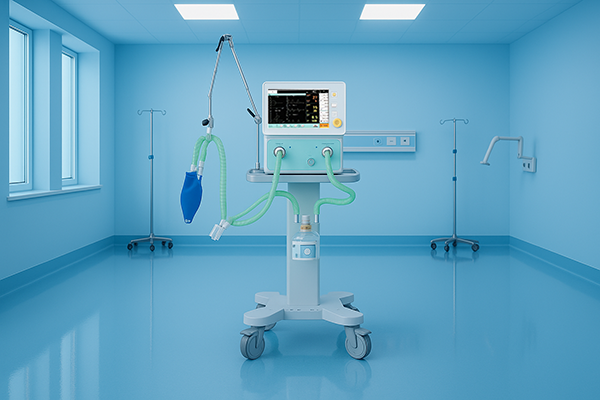
ICU Ventilator Manufacturing: Process, Components and Quality
An ICU ventilator is a complex medical device that must deliver controlled respiratory support under demanding clinical conditions.
Behind every finished system is a carefully managed combination of mechanical engineering, electronics, sensors, software, assembly, and verification.
ICU ventilator manufacturing therefore requires substantially more than assembling hardware. Manufacturers must control component quality, production processes, software, calibration, testing, documentation, and regulatory requirements throughout the product lifecycle.
What Is ICU Ventilator Manufacturing?
ICU ventilator manufacturing is the process of designing, producing, assembling, testing, and validating ventilators intended for critical-care environments.
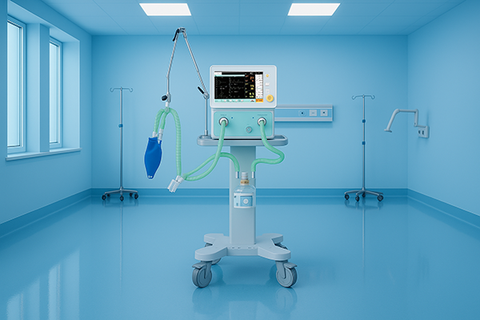
A modern ventilator typically integrates multiple subsystems, including gas-flow control, pressure monitoring, sensors, valves, electronic controls, software, alarms, and a user interface.
Manufacturing programs may involve:
- Mechanical component production
- Electronics assembly
- Sensor integration
- Pneumatic system assembly
- Software development
- Final device assembly
- Calibration
- Electrical safety testing
- Functional verification
- Packaging and labeling
- Quality documentation
Because ventilators are medical devices, manufacturing processes must be established around applicable regulatory and quality-system requirements.
Why ICU Ventilator Manufacturing Requires Precision
Ventilators interact directly with a patient's respiratory system. Accurate sensing and controlled delivery of respiratory gases are therefore fundamental to their intended operation.
A manufacturing error involving a sensor, valve, connector, electrical component, software function, or pneumatic pathway can affect device behavior.
For this reason, manufacturers typically emphasize:
- Component traceability
- Process validation
- Calibration
- Software verification
- Risk management
- Functional testing
- Electrical safety
- Final inspection
- Documentation
The exact requirements depend on the device design, intended use, market, and applicable regulations.
ICU Ventilator Components
Understanding ICU ventilator components helps explain why production requires expertise across several engineering disciplines.
| Component/System | General Function | Manufacturing Consideration |
|---|---|---|
| Flow sensors | Monitor gas flow | Calibration and accuracy |
| Pressure sensors | Monitor respiratory pressure | Verification and calibration |
| Valves | Control gas movement | Reliability and testing |
| Pneumatic circuits | Manage gas pathways | Leak and functional testing |
| Control electronics | Operate device functions | PCB and electrical testing |
| Display/interface | Shows information and controls | Software and usability verification |
| Alarm system | Provides device alerts | Functional verification |
| Power system | Supplies electrical power | Electrical safety |
| Embedded software | Controls device operation | Software verification |
| Housing | Protects internal systems | Material and assembly quality |
The architecture varies considerably between ventilator models.
ICU Ventilator Manufacturing Process Step by Step
The ICU ventilator manufacturing process generally begins well before physical assembly.
1. Product Design and Engineering
Engineers define the ventilator's intended functions, operating parameters, interfaces, physical architecture, and safety requirements.
Computer-aided design can be used for mechanical components, while electronic design tools support circuit development. Software engineering is equally important because embedded software controls many device functions.
2. Component Sourcing and Inspection
Manufacturers identify approved components according to engineering specifications.
Incoming inspection can verify:
- Part identification
- Dimensions
- Electrical characteristics
- Material specifications
- Supplier documentation
- Batch or lot information
Critical components may require additional verification before entering production.
3. Mechanical and Pneumatic Assembly
The pneumatic pathway may contain tubing, connectors, valves, sensors, regulators, and other components.
Assembly must be controlled carefully to reduce the risk of incorrect connections, contamination, leaks, or damaged components.
4. Electronics Assembly
Printed circuit boards and electronic modules are assembled and inspected.
Automated assembly equipment may place electronic components onto PCBs, followed by soldering and inspection processes.
Electrical testing can identify issues before boards are integrated into the finished ventilator.
5. Sensor Integration
Sensors are installed and connected to the appropriate control systems.
Calibration and verification are particularly important because the device relies on sensor information to monitor operating conditions.
6. Software Integration
Embedded software is installed and configured according to the device's approved design.
Manufacturers conduct software verification and validation activities appropriate to the device and its risk profile.
7. Final Device Assembly
Mechanical, pneumatic, electrical, electronic, and software subsystems are integrated into the final enclosure.
Assembly instructions and controlled procedures help ensure that components are installed consistently.
8. Calibration and Functional Testing
The completed ventilator undergoes calibration and functional testing.
Testing may evaluate parameters such as pressure, flow, alarms, displays, controls, and other device-specific functions.
9. Final Inspection
Before release, the device may undergo final inspection to confirm assembly, labeling, documentation, and required test results.
Only products meeting established release criteria should proceed to packaging and distribution.
Quality Testing for ICU Ventilators
Ventilator quality testing is an essential part of medical-device production.
Testing should be based on the device's design, intended use, risk analysis, and applicable standards.
Performance Testing
Manufacturers can test whether the device performs its specified functions under defined conditions.
Leak Testing
Pneumatic systems can be examined for unintended leakage that could affect system performance.
Alarm Testing
Alarm functions should be verified to ensure they respond appropriately to defined conditions.
Electrical Safety Testing
Electrical safety tests can evaluate areas such as insulation, grounding, leakage currents, and other applicable requirements.
Software Testing
Software verification can examine functions, error handling, user-interface behavior, and system responses.
Standards and Regulatory Considerations
Medical ventilators are subject to regulatory requirements that vary by market.
Depending on the intended market and device classification, manufacturers may need to address requirements involving:
- Quality management systems
- Risk management
- Electrical safety
- Electromagnetic compatibility
- Software lifecycle processes
- Usability engineering
- Biocompatibility for applicable components
- Clinical evaluation or performance evidence
- Labeling and technical documentation
Standards such as ISO 13485, ISO 14971, and relevant IEC standards may be applicable depending on the device and jurisdiction.
Manufacturers should determine the exact regulatory pathway with qualified regulatory professionals and the relevant authorities rather than assuming that one standard applies universally.
Technology Used in Ventilator Manufacturing
Modern production environments can use advanced technologies to improve consistency and traceability.
Automated Assembly
Automation can support repetitive electronics and mechanical assembly tasks.
Machine Vision
Vision systems can inspect components, labels, connections, solder joints, and assembly characteristics.
Digital Traceability
Manufacturing execution and traceability systems can connect components and production records to individual devices or production lots.
Automated Testing
Computer-controlled test systems can measure defined device parameters and record results electronically.
Data Analytics
Production data can help manufacturers identify recurring defects, process variations, and quality trends.
How Manufacturers Control Production Quality
A strong quality system extends from product development through manufacturing and post-production monitoring.
Key practices include:
- Establish controlled manufacturing procedures.
- Qualify critical suppliers and components.
- Maintain component traceability.
- Validate critical production processes.
- Calibrate measurement equipment.
- Perform documented inspections and testing.
- Control software and firmware versions.
- Investigate nonconformities systematically.
- Maintain complete production records.
- Monitor product performance after release.
Risk management should be integrated into design and manufacturing decisions rather than treated as a final-stage activity.
How to Evaluate ICU Ventilator Manufacturers
Organizations evaluating ICU ventilator manufacturers should examine both technical capabilities and quality infrastructure.
Manufacturing Capabilities
Assess whether the manufacturer has controlled facilities and equipment appropriate for mechanical, electronic, pneumatic, and software-integrated medical devices.
Quality Management
Review the manufacturer's quality-management framework, documentation practices, testing capabilities, supplier controls, and applicable certifications.
Regulatory Experience
Determine whether the manufacturer has experience navigating the regulatory requirements of the intended market.
Testing Infrastructure
A capable manufacturer should have appropriate equipment and procedures for calibration, functional testing, electrical safety evaluation, and other required verification activities.
Traceability
Traceability is particularly important for critical medical devices. The manufacturer should be able to identify relevant components, production records, test results, and device histories according to its quality system.
Best Practices for ICU Ventilator Production
A reliable manufacturing program should:
- Design for manufacturability from the beginning.
- Identify critical components and processes.
- Establish controlled assembly procedures.
- Use validated test methods.
- Calibrate measurement equipment regularly.
- Maintain software configuration control.
- Document deviations and corrective actions.
- Monitor supplier quality.
- Conduct final functional verification.
- Maintain appropriate production records.
These practices help create a controlled manufacturing environment where problems can be identified and addressed systematically.
Who Uses ICU Ventilator Manufacturing?
ICU ventilators are intended for critical-care environments where patients may require mechanical respiratory support.
The broader manufacturing ecosystem can involve:
- Medical-device manufacturers
- Hospital equipment companies
- Healthcare technology organizations
- Contract manufacturers
- Electronics manufacturers
- Pneumatic-system specialists
- Medical-device component suppliers
The exact production structure depends on whether a company develops the complete device internally or works with specialized manufacturing partners.
Frequently Asked Questions
What is ICU ventilator manufacturing?
ICU ventilator manufacturing involves designing, assembling, calibrating, testing, documenting, and releasing ventilators intended for critical-care respiratory support.
What are the main ICU ventilator components?
Common components include flow and pressure sensors, valves, pneumatic pathways, electronic control systems, displays, alarm systems, power systems, housing, and embedded software.
What is involved in the ICU ventilator manufacturing process?
Major stages include engineering design, component inspection, mechanical and pneumatic assembly, electronics production, sensor integration, software integration, final assembly, calibration, functional testing, and final inspection.
How is ventilator quality tested?
Testing can include performance verification, leak testing, alarm testing, electrical safety evaluation, software verification, calibration, and other device-specific tests required by the design and applicable regulations.
What standards apply to ICU ventilator manufacturing?
Applicable requirements vary by device and market. Manufacturers may need to address quality management, risk management, electrical safety, electromagnetic compatibility, software, usability, and other medical-device requirements.
Conclusion
ICU ventilator manufacturing combines medical-device engineering, electronics, pneumatics, software, mechanical assembly, calibration, and quality assurance. Every stage must be carefully controlled because the finished device is intended for a critical healthcare application.
Manufacturers should establish robust processes for component traceability, risk management, calibration, software control, functional testing, electrical safety, and regulatory compliance. Automated inspection and digital production systems can further strengthen consistency and documentation.
For organizations evaluating ventilator manufacturing capabilities, the most important considerations extend beyond production capacity. Technical expertise, quality systems, testing infrastructure, regulatory experience, and traceability are essential factors when assessing a medical-device manufacturing program.
This article is for general educational purposes and does not provide clinical, regulatory, or medical-device compliance advice. Specific requirements should be confirmed with qualified professionals and the applicable regulatory authority.