Picosecond Laser Machine: Technology, Uses and Selection
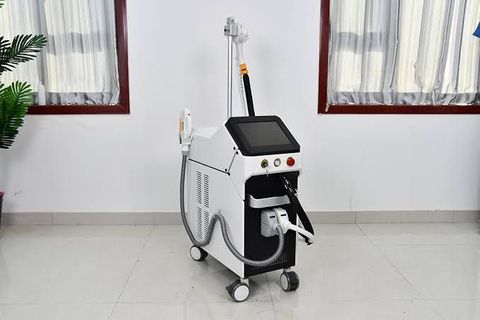
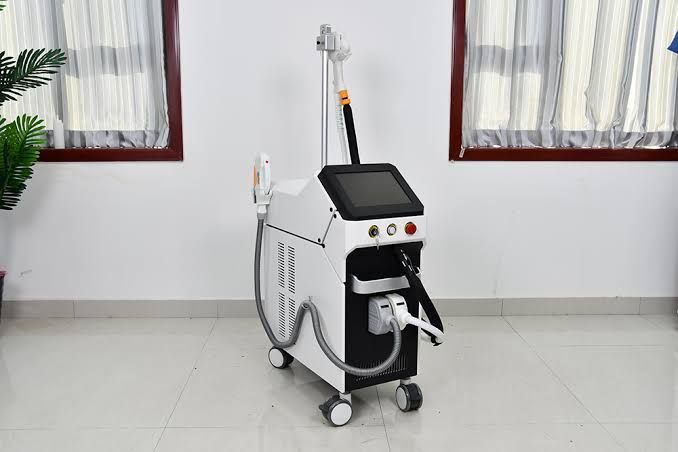
A picosecond laser machine is an advanced laser system that delivers extremely short pulses of laser energy, typically measured in picoseconds.
Because the pulses are much shorter than those produced by many traditional laser systems, picosecond technology can deliver high peak power over very brief periods.
Picosecond laser systems are used in several dermatological and aesthetic applications, including tattoo and pigment treatment. Depending on the device, wavelength, pulse duration, and treatment configuration, systems can target different types of pigmentation and skin concerns.
Understanding the technology, applications, system specifications, and safety considerations is important when evaluating picosecond laser equipment.
What Is a Picosecond Laser Machine?
A picosecond laser machine is a laser device designed to generate pulses with durations in the picosecond range.
One picosecond equals one trillionth of a second. The extremely short pulse duration allows laser energy to interact with targeted particles over a very short period.
Many picosecond systems are designed around a photoacoustic or photomechanical effect, where rapid energy delivery can fragment targeted pigment particles while limiting the duration of thermal exposure to surrounding tissue.
The exact effect depends on the wavelength, pulse duration, fluence, spot size, and treatment protocol.
How Picosecond Laser Technology Works
Picosecond laser technology uses very short pulses to deliver laser energy to a selected target.
In pigment-related applications, the laser energy can interact with pigment particles. The rapid energy delivery may cause mechanical fragmentation of the targeted pigment rather than relying primarily on prolonged heating.
The body's natural processes can subsequently remove or process fragmented particles.
Important System Parameters
Several technical parameters influence how a picosecond laser system performs:
- Wavelength
- Pulse duration
- Energy output
- Fluence
- Spot size
- Repetition rate
- Beam profile
- Cooling system
- Handpiece configuration
These specifications should be evaluated together rather than focusing on a single performance number.
Common Applications of Picosecond Laser Equipment
Picosecond laser equipment can be used for different dermatological and aesthetic applications, depending on the device's regulatory clearance and configuration.
Tattoo Removal
Picosecond laser systems are widely associated with tattoo treatment. Short laser pulses can target tattoo pigments and fragment pigment particles.
Different tattoo colors can respond differently to laser wavelengths, so systems with multiple wavelengths may provide broader treatment capabilities.
Pigmentation Treatment
Certain picosecond systems are used for selected forms of unwanted pigmentation. The appropriate wavelength and treatment parameters depend on the type and location of pigmentation.
Skin Appearance
Some devices are marketed for improving aspects of skin appearance and texture. Depending on the technology, treatment may stimulate changes in the skin through controlled laser interactions.
Acne Scar Applications
Certain laser systems may be used in approaches designed to improve the appearance of selected acne scars. Treatment suitability depends on scar type, skin characteristics, and the specific device.
Picosecond Laser Treatment Machine Types
Different machines can have substantially different configurations.
Single-Wavelength Systems
Single-wavelength systems focus on a particular wavelength and may be designed for specific applications.
Multi-Wavelength Systems
Multi-wavelength platforms provide multiple laser wavelengths, allowing practitioners to select different wavelengths for different pigments or treatment objectives.
Picosecond Fractional Systems
Some systems incorporate fractional delivery patterns that treat selected microscopic areas rather than the entire surface uniformly.
Integrated Cooling Systems
Cooling technologies may be incorporated into some systems to improve patient comfort and help manage thermal effects during treatment.
Picosecond Laser vs. Traditional Laser Technology
Picosecond systems differ primarily in pulse duration and the way energy is delivered.
| Feature | Picosecond Laser | Longer-Pulse Laser |
|---|---|---|
| Pulse duration | Extremely short | Longer |
| Primary interaction | Strong photomechanical component | Often greater thermal component |
| Common application | Pigment and tattoo treatment | Various dermatological applications |
| Wavelength options | Device dependent | Device dependent |
| Treatment parameters | Highly adjustable | Highly adjustable |
| Cooling | Device dependent | Device dependent |
The comparison is general because laser technologies differ significantly across devices and clinical applications.
Picosecond Laser Skin Treatment Machine
A picosecond laser skin treatment machine may be configured for applications beyond tattoo removal.
Depending on the device, practitioners may use different wavelengths and treatment settings to address selected pigmentary or textural concerns.
Treatment parameters need to be individualized because skin type, pigmentation characteristics, treatment location, and previous procedures can influence the risk-benefit profile.
Important Treatment Parameters
Laser treatment requires careful parameter selection.
Wavelength
Different wavelengths interact differently with various pigments and tissue structures. Multi-wavelength platforms can provide additional flexibility.
Fluence
Fluence describes the amount of energy delivered over a given area. Higher energy does not automatically mean better treatment because excessive energy can increase the risk of adverse effects.
Spot Size
Spot size affects energy distribution, treatment depth, and coverage.
Pulse Duration
The pulse duration is one of the defining characteristics of picosecond laser technology. The appropriate pulse setting depends on the treatment objective and device design.
Repetition Rate
Repetition rate determines how frequently pulses are delivered. It can influence treatment speed and overall energy delivery.
Safety Considerations
Although laser treatments are non-surgical, they can produce tissue effects and should be performed by appropriately trained professionals.
Potential temporary effects may include:
- Redness
- Swelling
- Tenderness
- Temporary pigment changes
- Crusting
- Sensitivity
- Discomfort
The risks vary according to the device, treatment area, skin type, settings, and individual circumstances.
Protective eyewear appropriate for the laser wavelength is also an important component of laser safety.
Factors Affecting Treatment Results
Results can vary considerably between individuals.
Important factors include:
- Type of pigment
- Pigment depth
- Skin type
- Treatment location
- Laser wavelength
- Energy settings
- Previous treatments
- Individual healing response
For tattoo treatment, ink color, composition, density, and depth can all influence treatment response.
Choosing a Picosecond Laser System
When evaluating a picosecond laser system, technical specifications should be considered alongside clinical requirements.
1. Identify Intended Applications
Determine whether the system is intended primarily for tattoo treatment, pigmentation, skin appearance, or multiple applications.
2. Review Wavelengths
Check the available wavelengths and determine whether they correspond to the intended treatment applications.
3. Evaluate Pulse Specifications
Review pulse duration, energy range, repetition rate, and other technical parameters.
4. Examine Handpieces
Different handpieces may provide different spot sizes, beam patterns, or treatment capabilities.
5. Review Cooling Technology
Cooling may improve comfort and help manage thermal effects depending on the system.
6. Check Regulatory Status
Medical and aesthetic laser regulations vary by country. The device's applicable regulatory approvals and intended uses should be verified before clinical deployment.
7. Evaluate Training and Documentation
Appropriate operator training, technical documentation, maintenance procedures, and safety information are important considerations.
Picosecond Laser Machine Manufacturers
When comparing picosecond laser machine manufacturers, evaluate the complete technology platform rather than relying solely on marketing specifications.
Important factors include:
- Laser technology
- Available wavelengths
- Pulse specifications
- Handpiece options
- Safety systems
- Cooling capabilities
- Documentation
- Training resources
- Maintenance requirements
- Regulatory documentation
- Technical support
The manufacturer's experience with the intended application can also be relevant when evaluating a system.
Maintenance of Picosecond Laser Equipment
Regular maintenance helps maintain consistent equipment performance.
Maintenance programs may include:
- Optical inspection
- Cooling-system checks
- Handpiece inspection
- Calibration verification
- Electrical safety checks
- Cleaning
- Software updates where applicable
- Preventive component replacement
Maintenance should follow the manufacturer's technical documentation and applicable regulatory requirements.
Who May Use Picosecond Laser Systems?
Picosecond laser systems are generally intended for trained healthcare or aesthetic professionals operating within the regulations applicable to their location and scope of practice.
Because these devices can deliver high-energy laser pulses, appropriate education, safety training, treatment protocols, and protective measures are important.
Frequently Asked Questions
What is a picosecond laser machine?
A picosecond laser machine is a laser system that produces extremely short pulses, measured in picoseconds. It can be used for applications such as tattoo and selected pigmentation treatments, depending on the device.
What is a picosecond laser used for?
Common applications include tattoo treatment and selected pigmentation concerns. Some systems are also used for certain skin-texture and appearance applications, depending on regulatory authorization and device configuration.
How does picosecond laser technology work?
Picosecond lasers deliver energy in extremely short pulses. For pigment applications, the rapid energy delivery can create a strong photomechanical effect that fragments targeted pigment particles.
What should I consider when selecting picosecond laser equipment?
Important factors include wavelength options, pulse duration, energy range, spot sizes, handpieces, cooling, regulatory status, intended applications, operator training, maintenance, and technical documentation.
Is picosecond laser treatment safe?
Laser treatment can involve risks and temporary side effects such as redness, swelling, sensitivity, crusting, and pigment changes. Safety depends on appropriate device selection, settings, patient assessment, and trained operation.
Conclusion
A picosecond laser machine uses extremely short laser pulses to deliver controlled energy for selected dermatological and aesthetic applications. Its short pulse duration can create strong photomechanical interactions, making the technology particularly relevant to tattoo and pigment-related treatments.
Selecting appropriate picosecond laser equipment requires careful evaluation of wavelengths, pulse specifications, energy parameters, handpieces, cooling, safety systems, regulatory requirements, and intended applications.
Because laser systems can produce significant tissue effects, appropriate professional training, patient assessment, protective measures, and adherence to device-specific protocols remain essential for responsible use.