Rigid Packaging Manufacturing: Process, Materials & Solutions
Rigid packaging manufacturing plays an important role in protecting products during storage, transportation, and everyday use.
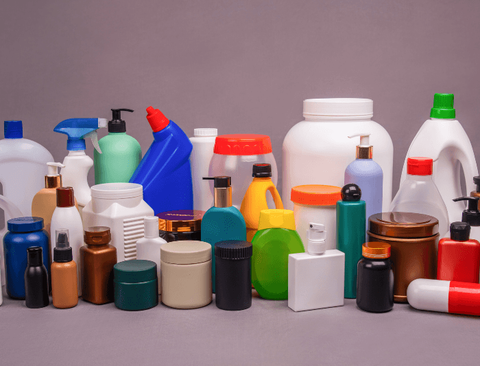
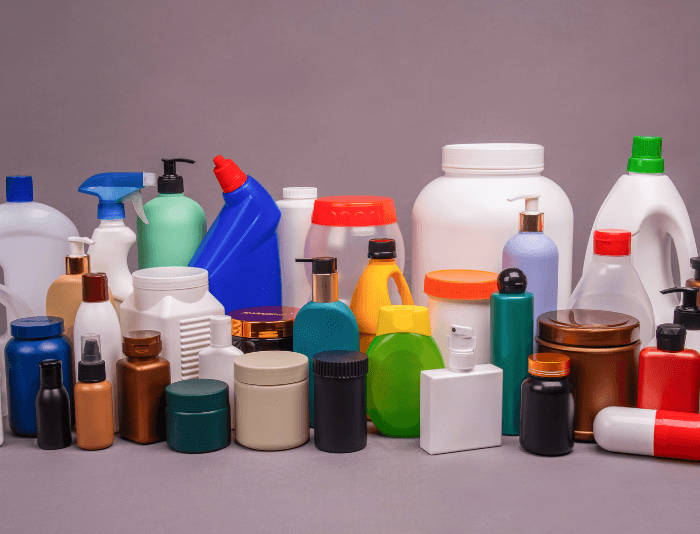
From food containers and pharmaceutical packs to cosmetic jars and industrial containers, rigid packaging provides structural strength and product protection.
Modern production methods combine advanced materials, precision molding, automation, and quality inspection to create packaging that meets specific performance requirements. Understanding the manufacturing process can help businesses evaluate materials, production technologies, customization options, and packaging performance more effectively.
Why Rigid Packaging Manufacturing Matters
Rigid packaging is designed to maintain its shape under normal handling conditions. Unlike flexible packaging, it generally provides greater structural stability and can protect products from compression, impact, moisture, contamination, and other external factors.
The importance of rigid packaging manufacturing comes from its ability to balance several requirements at the same time.
Product Protection
Rigid containers can provide a strong physical barrier around their contents. This is particularly important for products that need protection from crushing, leakage, contamination, or environmental exposure.
Consistent Dimensions
Automated production processes can maintain highly consistent container dimensions. This helps packaging components fit together correctly and supports efficient filling, labeling, capping, and transportation operations.
Brand Presentation
Rigid packaging can also provide a large surface for labels, printing, embossing, textures, and other design elements. Shape and finish can therefore influence how a product appears on retail shelves.
Common Materials Used in Rigid Packaging
Material selection is one of the most important decisions in rigid packaging production. The appropriate material depends on the product, required strength, temperature conditions, barrier requirements, regulatory considerations, and intended application.
| Material | Common Applications | Key Characteristics |
|---|---|---|
| PET | Bottles, food containers | Lightweight, clear, durable |
| HDPE | Containers, bottles | Strong, chemical resistant |
| PP | Food tubs, caps, containers | Heat resistant, versatile |
| PVC | Blister packs, specialty packaging | Durable, formable |
| Polystyrene | Trays, cups, containers | Lightweight, easy to form |
| Glass | Jars, bottles | High barrier, premium appearance |
| Metal | Cans, industrial containers | Strong, protective |
Rigid Plastic Packaging
Rigid plastic packaging remains widely used because polymers can be molded into many shapes and sizes. Materials such as PET, HDPE, PP, and other engineered plastics can provide different combinations of strength, clarity, flexibility, chemical resistance, and temperature performance.
Glass Packaging
Glass provides excellent barrier properties and is commonly used for beverages, food products, cosmetics, and pharmaceutical applications. It also offers a distinctive appearance and can be reused or recycled through established recovery systems.
Metal Packaging
Metal containers are valued for their strength and protective characteristics. Aluminum and steel can be used for cans, specialty containers, industrial packaging, and applications requiring strong barrier protection.
Rigid Packaging Manufacturing Process
The rigid packaging manufacturing process varies according to the material and container design. However, most production systems follow several fundamental stages.
1. Material Preparation
Raw materials are prepared according to the selected manufacturing technology. Plastic production may involve polymer pellets, additives, colorants, or recycled material.
The material must be properly handled and processed to achieve consistent physical characteristics throughout production.
2. Molding or Forming
The selected material is transformed into the required container shape.
Common technologies include:
- Injection molding
- Blow molding
- Injection blow molding
- Thermoforming
- Compression molding
- Extrusion processes
- Glass forming
- Metal forming
The technology depends on the desired container shape, material, wall thickness, production volume, and dimensional requirements.
3. Cooling and Stabilization
After forming, many packaging components require controlled cooling or stabilization. Proper temperature management helps maintain dimensional accuracy and reduces unwanted deformation.
4. Trimming and Finishing
Some containers require trimming, edge finishing, drilling, cutting, or other secondary operations. Components such as caps, closures, handles, and other features may also be integrated during or after production.
5. Decoration and Labeling
Packaging can then receive labels, printed graphics, coatings, embossing, or other visual treatments. The selected method depends on the material and appearance requirements.
6. Quality Inspection
Finished packaging is inspected against defined specifications. Automated vision systems, dimensional measurement equipment, leak testing, weight measurement, and other inspection methods can identify production variations.
Rigid Packaging Production Equipment
Modern rigid packaging production relies on specialized equipment designed for speed, precision, repeatability, and process control.
Important equipment categories include:
- Injection molding machines
- Blow molding machines
- Thermoforming machines
- Extrusion systems
- Mold and tooling systems
- Automated material handling equipment
- Cooling systems
- Trimming equipment
- Printing and labeling systems
- Vision inspection equipment
- Leak testing systems
- Packaging automation systems
Automation can help reduce manual handling and improve consistency across large production runs.
Custom Rigid Packaging Solutions
Custom rigid packaging allows container dimensions, shapes, closures, finishes, and other characteristics to be developed around a specific product.
A customized design may address requirements such as:
- Unique product dimensions
- Specialized closure systems
- Improved stacking
- Enhanced protection
- Specific barrier requirements
- Distinctive appearance
- Specialized dispensing
- Automated filling compatibility
Before selecting a custom design, manufacturers typically evaluate the product characteristics, expected production volume, storage conditions, transportation requirements, and filling equipment.
How to Select Rigid Packaging Manufacturers
Choosing among rigid packaging manufacturers requires more than comparing product specifications. The manufacturing capabilities should match the technical and operational requirements of the application.
Manufacturing Capabilities
Review the available molding, forming, finishing, and inspection technologies. A manufacturer with suitable equipment can better accommodate the required container geometry and production volume.
Material Expertise
Check whether the manufacturer has experience working with the required packaging materials. Material knowledge is especially important when products require chemical resistance, temperature stability, transparency, or specific barrier properties.
Quality Systems
Quality control should cover raw materials, production parameters, dimensional accuracy, appearance, and finished-product performance.
Production Capacity
Production capacity should align with expected demand. A suitable manufacturer should have processes capable of maintaining consistent output as production requirements change.
Customization
If a standard container does not meet the application requirements, evaluate the manufacturer's ability to develop molds, tooling, closures, finishes, and other customized components.
Sustainability in Rigid Packaging Production
Sustainability has become an increasingly important consideration in packaging design and manufacturing.
Manufacturers can address environmental objectives through several approaches:
- Using recycled materials where technically appropriate
- Reducing unnecessary material thickness
- Improving production efficiency
- Designing containers for recyclability
- Reducing production waste
- Optimizing transportation efficiency
- Developing reusable packaging formats
- Improving material recovery
Lightweighting can reduce material consumption while maintaining required structural performance. However, reducing material should not compromise container strength, product protection, or manufacturing reliability.
Key Factors That Affect Packaging Performance
Several factors determine whether rigid packaging performs effectively throughout its lifecycle.
Wall Thickness
Wall thickness influences structural strength, weight, appearance, and material usage. Uniform thickness is often important for maintaining consistent performance.
Container Geometry
Shape affects stacking, handling, filling, transportation, and resistance to deformation. Carefully designed geometry can improve both functionality and material efficiency.
Closure Design
Caps and closures must create reliable sealing while remaining compatible with filling and opening requirements.
Environmental Conditions
Temperature, humidity, chemicals, ultraviolet exposure, and mechanical stress can influence packaging performance. These conditions should be considered during material and design selection.
Who Needs Rigid Packaging Manufacturing?
Rigid packaging is relevant to a wide range of industries, including:
- Food and beverage — tubs, trays, bottles, jars, and containers.
- Pharmaceuticals — bottles, containers, vials, and protective packaging.
- Cosmetics — jars, bottles, compact containers, and specialty packs.
- Personal care — bottles, tubs, and dispensing containers.
- Industrial products — chemical containers, drums, and specialty packs.
- Household products — storage containers, bottles, and closures.
- Electronics — protective trays and specialized packaging components.
The best packaging format depends on the product's physical characteristics and the conditions it will encounter during distribution and use.
Frequently Asked Questions
What is rigid packaging manufacturing?
Rigid packaging manufacturing is the production of structurally stable containers and packaging components using materials such as plastic, glass, and metal. Common processes include molding, thermoforming, extrusion, glass forming, and metal forming.
What materials are used in rigid packaging?
Common materials include PET, HDPE, PP, PVC, polystyrene, glass, aluminum, and steel. The appropriate material depends on strength, barrier, temperature, chemical, appearance, and regulatory requirements.
How do rigid packaging manufacturers produce containers?
Manufacturers generally prepare raw materials, form them using molding or forming equipment, cool or stabilize the components, perform finishing operations, decorate or label them, and complete quality inspections.
What equipment is used for rigid packaging production?
Common equipment includes injection molding machines, blow molding machines, thermoforming systems, extrusion equipment, automated handling systems, trimming machines, labeling equipment, and inspection systems.
What should businesses consider when selecting rigid packaging?
Important factors include material compatibility, container design, product protection, production capacity, quality systems, customization requirements, sustainability objectives, and compatibility with filling and distribution processes.
Conclusion
Rigid packaging manufacturing combines material science, product design, forming technology, automation, and quality control to create packaging capable of protecting products across different industries.
Understanding the materials, manufacturing processes, equipment, customization possibilities, and quality considerations makes it easier to evaluate packaging requirements and identify an appropriate production strategy.
As packaging expectations continue to evolve, manufacturers are increasingly focusing on efficient production, lightweight designs, recycled materials, recyclability, automation, and consistent product performance. A well-planned rigid packaging approach can therefore support both functional requirements and broader environmental objectives.