Sports Equipment Manufacturing: Process and Technology
From fitness machines and protective gear to training equipment and sporting goods, modern products must balance performance, durability, safety, and user comfort.
Behind every finished product is a carefully coordinated manufacturing process.
Sports equipment manufacturing combines engineering, material selection, fabrication, molding, assembly, finishing, and quality testing. As consumer expectations and professional sports requirements evolve, manufacturers increasingly use automation, digital design, advanced materials, and rigorous inspection procedures to produce consistent equipment.
What Is Sports Equipment Manufacturing?
Sports equipment manufacturing is the process of designing, producing, assembling, and testing equipment used for sports, exercise, fitness, recreation, and athletic training.
The production approach depends heavily on the product. A metal gym machine requires very different processes from a molded protective helmet or a composite sports racket.
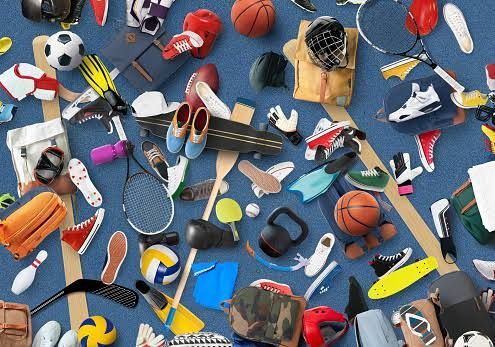
Common products include:
- Gym and fitness equipment
- Training machines
- Sports balls
- Protective equipment
- Athletic accessories
- Bats and rackets
- Exercise accessories
- Outdoor sports equipment
- Team sports equipment
- Rehabilitation and training products
Why Sports Equipment Manufacturing Matters
Sports equipment is often exposed to repeated impact, movement, friction, moisture, and mechanical stress. Manufacturing quality therefore directly influences product durability and user experience.
A well-planned manufacturing system can help manufacturers achieve:
- Consistent product dimensions
- Reliable mechanical performance
- Better material utilization
- Repeatable production
- Improved quality control
- Efficient assembly
- Product customization
- Greater production scalability
Safety is particularly important for equipment such as helmets, protective pads, weight machines, and products involving significant mechanical loads.
Sports Equipment Manufacturing Process Step by Step
The sports equipment manufacturing process varies by product, but most production programs follow several major stages.
1. Product Design and Engineering
Manufacturing usually begins with product specifications and engineering design.
Computer-aided design (CAD) software can be used to create detailed models, define dimensions, evaluate assemblies, and prepare production drawings.
Engineers may also use simulation tools to examine factors such as structural loading, movement, airflow, or impact behavior before physical production begins.
2. Material Selection
Materials are selected according to the product's performance requirements.
Common materials include:
- Steel
- Aluminum
- Stainless steel
- Plastics
- Rubber
- Foam
- Carbon-fiber composites
- Fiberglass
- Leather and synthetic materials
- Textiles
Material selection can influence weight, flexibility, strength, appearance, durability, and manufacturing complexity.
3. Component Manufacturing
Individual components are produced using processes appropriate for the material.
Metal parts may undergo:
- Cutting
- CNC machining
- Bending
- Drilling
- Stamping
- Welding
Plastic components may be produced through injection molding, extrusion, thermoforming, or other processes.
Composite products may require specialized layup, molding, curing, and finishing processes.
4. Surface Treatment
Metal components may require cleaning, coating, painting, anodizing, plating, or powder coating.
Surface treatment can improve appearance and provide protection against corrosion, abrasion, or environmental exposure.
5. Assembly
Individual components are assembled into the completed product.
Depending on the equipment, assembly may involve welding, bolting, fastening, adhesives, stitching, or specialized mechanical connections.
For complex products, assembly instructions and controlled processes help maintain consistency.
6. Testing and Quality Inspection
Finished products should be inspected against established specifications.
Testing may examine:
- Dimensions
- Strength
- Load capacity
- Durability
- Movement
- Material properties
- Surface finish
- Safety characteristics
The appropriate tests depend on the product category and applicable requirements.
Major Categories of Sports Equipment
Sports equipment manufacturers work across numerous product categories.
| Equipment Category | Examples | Common Manufacturing Requirements |
|---|---|---|
| Fitness equipment | Treadmills, strength machines | Metal fabrication, electronics, assembly |
| Protective equipment | Helmets, pads | Molding, foam processing, testing |
| Ball sports equipment | Bats, rackets, balls | Composite, rubber, textile processes |
| Outdoor equipment | Training frames, goals | Metal fabrication, coatings |
| Exercise accessories | Weights, resistance equipment | Molding, casting, machining |
| Training equipment | Agility equipment, hurdles | Plastics, metals, assembly |
Each category has different engineering, material, testing, and production requirements.
How Sports Equipment Manufacturers Use Automation
Automation has become increasingly important in modern manufacturing environments.
Sports equipment manufacturers can use automated systems for repetitive processes such as cutting, welding, machining, painting, assembly, packaging, and inspection.
Robotic Welding
Robotic welding systems can create repeatable welds on products with high production volumes.
CNC Manufacturing
CNC equipment can produce precisely machined components according to programmed designs.
Automated Inspection
Vision systems and measurement equipment can identify dimensional or visual defects during production.
Robotic Material Handling
Robots can move components between production stations, reducing repetitive manual handling and improving workflow consistency.
Automation is most useful when it addresses a clearly defined production requirement rather than being introduced simply because a process is technologically advanced.
Custom Sports Equipment Manufacturing
Custom sports equipment manufacturing allows brands, professional teams, training organizations, and specialized customers to develop products around specific requirements.
Customization may involve:
- Product dimensions
- Materials
- Colors and finishes
- Branding
- Ergonomic features
- Performance characteristics
- Packaging
- Component configurations
Custom production generally requires stronger coordination between product designers, engineers, material suppliers, and production teams.
Quality Control in Sports Equipment Manufacturing
Quality control should occur throughout production rather than only after final assembly.
Incoming Material Inspection
Materials can be checked against specifications before entering production.
In-Process Inspection
Critical dimensions and manufacturing parameters can be inspected during production to identify problems early.
Functional Testing
Equipment should be tested according to its intended use and applicable requirements.
Final Inspection
Finished products can be inspected for appearance, dimensions, assembly quality, labeling, and other defined criteria.
Maintaining production records can also improve traceability and help manufacturers investigate quality issues.
Technology Transforming Sports Equipment Production
Modern manufacturing technology is changing how sports products are developed and produced.
3D Printing
Additive manufacturing can support rapid prototyping, customized components, and complex geometries.
Digital Manufacturing
Connected machinery and production-monitoring systems can provide real-time information about machine performance and production processes.
Advanced Materials
Lightweight composites, engineered polymers, specialized foams, and advanced textiles can help manufacturers develop products with specific combinations of strength, flexibility, and weight.
Computer-Aided Engineering
Simulation tools can help engineers evaluate designs before committing to full-scale production.
How to Choose Sports Equipment Manufacturers
Organizations looking for sports equipment manufacturers should evaluate more than production capacity.
Examine Manufacturing Capabilities
Check whether the manufacturer has the appropriate machinery, materials, tooling, and production processes for the required product.
Review Quality Systems
Ask about inspection procedures, testing capabilities, documentation, traceability, and applicable certifications.
Evaluate Customization Capabilities
If a product requires unique dimensions, materials, branding, or performance characteristics, confirm that the manufacturer has experience with customized production.
Assess Production Capacity
Consider whether the manufacturer can maintain consistent output as production requirements increase.
Review Prototyping Capabilities
A manufacturer capable of supporting prototyping and design refinement can make product development more efficient.
Consider Supply-Chain Coordination
Reliable material sourcing and component availability are important for maintaining production continuity.
Best Practices for Sports Equipment Production
Manufacturers can strengthen production programs by following several practical principles:
- Define product specifications clearly.
- Select materials based on performance requirements.
- Validate designs before full-scale production.
- Standardize critical manufacturing processes.
- Inspect materials before production.
- Monitor important production parameters.
- Test finished products according to applicable requirements.
- Maintain traceability records.
- Train production and quality personnel.
- Review defects and continuously improve processes.
A strong quality system should cover design, materials, production, assembly, testing, and final inspection.
Who Uses Sports Equipment Manufacturing?
The industry serves a wide range of organizations.
Sports brands may work with manufacturers to develop branded products and equipment lines.
Gyms and fitness companies require equipment such as strength-training machines, cardio equipment, benches, racks, and accessories.
Professional teams and athletic organizations may need specialized equipment designed around specific training requirements.
Schools and recreational facilities typically prioritize durable, practical equipment capable of handling frequent use.
Frequently Asked Questions
What is sports equipment manufacturing?
Sports equipment manufacturing involves designing, producing, assembling, finishing, and testing products used for sports, fitness, exercise, recreation, and athletic training.
What materials are commonly used in sports equipment?
Steel, aluminum, plastics, rubber, foam, composites, textiles, fiberglass, carbon-fiber materials, and synthetic materials are commonly used depending on the product.
What is the sports equipment manufacturing process?
The process typically includes product design, material selection, component production, surface treatment, assembly, testing, and final quality inspection.
How do sports equipment manufacturers ensure quality?
They can use incoming material inspection, in-process measurements, functional testing, final inspection, documented procedures, and product-specific quality standards.
What is custom sports equipment manufacturing?
It involves producing equipment according to specific requirements such as dimensions, materials, branding, ergonomics, configuration, or performance characteristics.
Conclusion
Sports equipment manufacturing combines engineering, materials science, precision production, assembly, and quality control to create products capable of meeting demanding performance requirements.
From CNC-machined components and welded fitness frames to molded protective equipment and advanced composite products, each manufacturing process must be matched to the product's intended purpose.
For brands and organizations evaluating manufacturing capabilities, focus on engineering expertise, material knowledge, production technology, quality systems, customization capabilities, and testing procedures. A carefully planned production approach can support consistent quality while allowing sports equipment to evolve with changing athlete and consumer expectations.