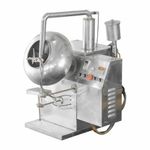
Cartridge Filling Systems: An Overview of Modern Filling Technology
Cartridge filling systems are specialized technologies used to place measured quantities of liquid, semi-liquid, or other suitable formulations into cartridges.
These systems are used in pharmaceutical production, medical manufacturing, dental applications, and selected industrial processes where controlled filling and consistent container handling are important. A cartridge filling machine combines filling mechanisms with cartridge positioning, dosing, sealing, and inspection steps.
The development of cartridge filling technology is connected to the wider development of pharmaceutical filling systems. As manufacturers moved from manual handling toward controlled production environments, equipment was developed to manage container preparation, accurate dosing, and product protection. Modern cartridge filling equipment can integrate mechanical, electronic, and software-based controls within one production line.
How Cartridge Filling Works
A typical cartridge filling process begins with preparing and positioning empty cartridges. The cartridge is then placed beneath a filling nozzle or dosing mechanism. A measured quantity of material is introduced, followed by steps such as sealing, closing, inspection, labeling, or transfer to another production stage.
An automatic cartridge filling machine can coordinate several of these activities with limited manual handling. Depending on the system design, sensors can monitor cartridge presence, filling position, product level, and other operating conditions.
Main Types of Cartridge Filling Systems
Different applications require different equipment configurations. A pharmaceutical cartridge filling machine is designed around requirements associated with pharmaceutical production, while industrial cartridge filling systems may handle materials used in non-pharmaceutical applications.
Common configurations include:
- Automatic cartridge filling machine systems for coordinated filling and handling.
- Injectable cartridge filling machine systems designed for suitable injectable formulations.
- Aseptic cartridge filling machine systems intended for controlled sterile manufacturing environments.
- Precision cartridge filling systems designed around controlled dosing requirements.
- High speed cartridge filling machine configurations intended for production environments with substantial throughput requirements.
The appropriate configuration depends on the cartridge format, formulation characteristics, filling volume, environmental requirements, and applicable manufacturing procedures.
Importance
Cartridge filling technology matters because the quantity placed into each container can influence product consistency and downstream processing. In pharmaceutical manufacturing, controlled filling is particularly important because products may have defined dose requirements and strict quality controls.
Cartridge filling equipment also affects how containers are handled during production. Automated pharmaceutical filling systems can reduce repeated manual handling and coordinate multiple stages of a filling process.
Supporting Consistent Dosing
A filling system uses a dosing mechanism to measure and transfer material into the cartridge. Different mechanisms may be appropriate for different formulations, depending on properties such as viscosity, flow behavior, temperature sensitivity, and required volume.
Precision cartridge filling systems may incorporate electronic controls and sensors to monitor filling operations. Consistency depends on the complete system, including calibration, formulation characteristics, cartridge dimensions, environmental conditions, and operating procedures.
Supporting Controlled Manufacturing Environments
Some pharmaceutical products require controlled environments to reduce the possibility of contamination. Sterile cartridge filling equipment can be incorporated into manufacturing areas designed around appropriate cleanliness and contamination-control procedures.
Aseptic pharmaceutical filling systems typically involve several coordinated controls rather than relying on the filling machine alone. Environmental monitoring, equipment preparation, personnel practices, container handling, and process validation are also important parts of an aseptic manufacturing environment.
Reducing Repetitive Manual Handling
Manual cartridge filling can involve repeated positioning, dosing, inspection, and sealing activities. Automated cartridge filling systems can coordinate these steps according to programmed operating sequences.
Automation does not remove the need for trained personnel or process oversight. Operators may still monitor equipment, verify process conditions, respond to alarms, perform routine checks, and maintain documentation.
Key Factors in System Selection
Cartridge filling technology can vary considerably according to application requirements. Important factors include:
- Cartridge dimensions and configuration.
- Required filling volume and dosing accuracy.
- Formulation viscosity and physical characteristics.
- Required production throughput.
- Sterility and environmental requirements.
- Cleaning and changeover procedures.
- Inspection and documentation requirements.
- Integration with upstream and downstream equipment.
These factors help determine whether a particular cartridge filling machine configuration is suitable for a defined production process.
Recent Updates
From 2024 through 2026, cartridge filling technology has generally moved toward greater automation, digital monitoring, improved process control, and closer integration with broader manufacturing systems. The direction is particularly visible in pharmaceutical environments, where traceability and controlled production processes remain important.
Advanced cartridge filling machinery increasingly incorporates sensors and digital controls that can collect operating information during production. These systems may monitor filling parameters, equipment status, container movement, and selected quality-related measurements.
Greater Automation and Monitoring
Automated pharmaceutical cartridge filling systems can connect filling, stopper placement, inspection, and material handling into coordinated production sequences. Digital interfaces can provide operators with information about machine status and process conditions.
This development also supports more structured production records. Depending on the system architecture, information may be stored electronically for process review and manufacturing documentation.
Integration of Inspection Technology
Modern filling lines may incorporate cameras, sensors, and other inspection technologies. These systems can check characteristics such as cartridge presence, closure positioning, visible defects, or fill-related conditions.
Inspection technology does not replace laboratory testing or formal quality procedures. Instead, it can form one part of a broader quality-control framework.
Developments in Aseptic Filling
Aseptic manufacturing continues to influence the design of sterile cartridge filling equipment. Equipment layouts increasingly consider contamination control, enclosed processing, controlled material movement, and integration with clean manufacturing environments.
Advanced sterile cartridge filling systems may combine filling equipment with isolators, restricted-access technologies, environmental monitoring, and automated handling. The exact configuration varies according to the product and manufacturing requirements.
| System Type | Typical Focus | Common Features |
|---|---|---|
| Manual filling setup | Small-scale controlled handling | Operator-guided dosing and placement |
| Automatic cartridge filling machine | Automated production | Dosing, positioning, and coordinated handling |
| Pharmaceutical cartridge filling equipment | Pharmaceutical production | Controlled dosing and process monitoring |
| Aseptic cartridge filling machine | Aseptic processing | Controlled environment and contamination measures |
| High speed cartridge filling machine | Higher throughput | Automated movement and repeated filling cycles |
| Precision cartridge filling systems | Controlled dosing | Dosing mechanisms and monitoring controls |
Tools and Resources
Understanding cartridge filling systems often requires more than examining the filling machine itself. Technical documentation, process diagrams, equipment manuals, measurement tools, and regulatory resources can help explain how the complete filling process operates.
Measurement and Process Tools
Manufacturing teams may use measurement instruments to verify filling volumes and equipment performance. Depending on the formulation and production environment, relevant tools can include calibrated scales, volumetric measurement devices, pressure indicators, temperature monitoring equipment, and inspection systems.
Process mapping templates can also help document each stage of cartridge handling. A typical workflow may include:
- Cartridge preparation.
- Cartridge positioning.
- Product dosing.
- Filling verification.
- Closure placement.
- Visual or automated inspection.
- Packaging or transfer.
Technical and Regulatory Resources
Pharmaceutical cartridge filling equipment is generally used within regulated manufacturing environments. Organizations may consult applicable national regulatory authorities, pharmacopoeial references, manufacturing standards, equipment documentation, and internal quality procedures.
Technical manuals are particularly useful for understanding equipment specifications, operating limits, cleaning procedures, maintenance requirements, and compatible cartridge formats. Training materials can also help non-technical readers understand the relationship between filling equipment and controlled production.
Process Documentation
Documentation is an important resource when studying or managing filling operations. Process flowcharts, equipment logs, cleaning records, calibration records, and inspection checklists can help create a structured record of activities.
For complex pharmaceutical filling systems, digital production-management platforms may also connect equipment information with broader manufacturing records. The exact capabilities depend on the software and equipment configuration.
FAQs
What are cartridge filling systems used for?
Cartridge filling systems are used to place measured quantities of suitable materials into cartridges. They are commonly associated with pharmaceutical, medical, dental, and selected industrial manufacturing applications.
How does an automatic cartridge filling machine work?
An automatic cartridge filling machine typically positions cartridges, measures and dispenses the formulation, and coordinates additional handling steps such as closure placement or inspection. Sensors and programmed controls can help coordinate these activities.
What is an aseptic cartridge filling machine?
An aseptic cartridge filling machine is designed for use within manufacturing processes where contamination control is required. It is normally integrated with environmental controls, equipment preparation procedures, monitoring, and other aseptic practices.
What is the difference between cartridge filling equipment and pharmaceutical filling systems?
Cartridge filling equipment specifically handles cartridge-based containers, while pharmaceutical filling systems can cover a wider range of container types and filling processes. A pharmaceutical system may include cartridge filling equipment as one component.
Why are precision cartridge filling systems important?
Precision cartridge filling systems are designed to control the quantity placed into each cartridge. Their performance depends on factors such as the dosing mechanism, formulation properties, equipment calibration, cartridge characteristics, and operating conditions.
Conclusion
Cartridge filling systems combine controlled dosing, cartridge handling, inspection, and related production steps within a structured manufacturing process. Their applications range from pharmaceutical filling systems and aseptic environments to selected industrial operations. Recent development has focused on automation, digital monitoring, inspection technology, and integration with controlled manufacturing environments. The overall design of a cartridge filling machine depends on the formulation, cartridge format, production requirements, and applicable quality and environmental controls.