Pneumatic Conveying Blowers: A Guide to Industrial Material Transport
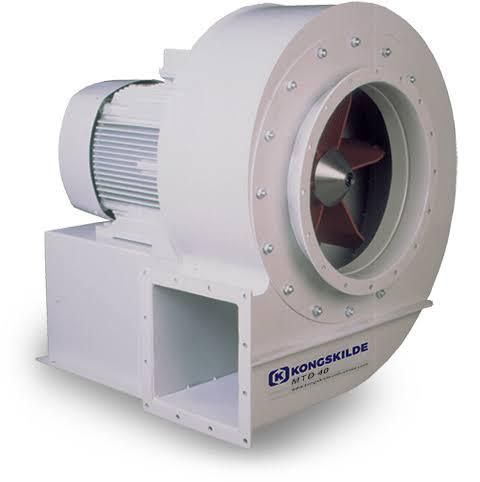
Pneumatic conveying blowers are mechanical devices that move bulk materials through pipelines using air or gas pressure differences.
They are used in industrial pneumatic conveying systems to transport powders, granules, and other dry materials between storage areas, processing equipment, and packaging stations. Pneumatic material handling blowers are commonly found in industries such as food processing, cement production, chemical manufacturing, pharmaceuticals, and plastics.
The basic principle is straightforward: a blower creates airflow or pressure that carries particles through an enclosed pipe. Depending on the system design, air pushes materials toward their destination or helps draw them through a vacuum conveying arrangement. This method reduces the need for extensive mechanical conveyors in some applications and allows materials to move through complex plant layouts.
Industrial pneumatic conveying systems generally include a blower, pipelines, feeding equipment, separation devices, filters, and control components. The blower must provide suitable airflow and pressure for the material being transported. Factors such as particle size, moisture, density, distance, and pipeline layout influence system performance.
How Pneumatic Conveying Blowers Work
A pneumatic conveying blower moves air through a network of pipes to transport solid particles. At the receiving end, separation equipment removes the material from the air stream so it can enter a storage vessel, hopper, or processing machine.
Rotary lobe blowers for pneumatic conveying use rotating lobes to move air through a housing. These machines are commonly associated with positive-displacement operation, in which a defined volume of air is moved during each rotation. Other blower designs may be selected according to pressure requirements, airflow needs, and operating conditions.
Main Types of Conveying Systems
Two common approaches are dilute-phase and dense-phase conveying. Dilute-phase systems transport particles at relatively high air velocities, keeping much of the material suspended in the air stream. Dense-phase systems move material at a higher concentration, often at lower conveying velocities, depending on the material and equipment arrangement.
Vacuum conveying blower systems operate by creating negative pressure that draws material through pipelines. Pressure conveying systems use positive pressure to push material toward its destination. The selection depends on the material, transfer distance, layout, containment requirements, and process conditions.
Importance
Pneumatic conveying blowers play an important role in industrial material handling because many production processes depend on moving dry bulk materials safely and consistently. Powders and granules may need to travel between silos, mixers, dryers, storage tanks, and packaging equipment. Enclosed pipeline transport can help limit material exposure and reduce the amount of open handling required.
For everyday consumers, these systems can indirectly affect products such as flour, plastic packaging, cement-based materials, and household chemicals. Reliable material movement helps production facilities maintain orderly processes and manage the flow of ingredients or raw materials.
Applications Across Industries
Different industries use conveying blowers for different materials and operating conditions.
Food processing: Moving flour, sugar, starch, and other dry ingredients between production stages.
Cement and construction: Transporting cement powder, limestone, and related materials.
Plastics manufacturing: Moving resin pellets and plastic granules to processing machines.
Chemical production: Transferring suitable powders and granules through enclosed pipelines.
Agriculture: Handling selected grains and other dry agricultural materials.
The design must account for the properties of each material. Fragile particles may break under excessive conveying forces, while abrasive materials can cause wear in pipes, bends, and other components.
Factors Affecting Blower Selection
High pressure conveying blowers may be required when a process involves long pipelines, significant elevation changes, or substantial resistance to airflow. However, pressure requirements depend on the entire system rather than distance alone.
Important factors include airflow volume, operating pressure, material characteristics, conveying rate, temperature, and pipeline diameter. Industrial air blower systems for bulk solids must also account for filtration, air leakage, pressure losses, and the possibility of blockages.
Industrial roots blower suppliers commonly provide equipment based on operating specifications, but the blower alone does not determine the performance of the complete conveying system. Feeders, separators, filters, and control equipment also influence how materials move.
Recent Updates
Developments in pneumatic conveying from 2024 through 2026 reflect broader industrial trends toward energy monitoring, automated control, predictive maintenance, and improved system integration. Rather than relying only on fixed operating settings, some facilities are using sensors and control software to adjust equipment according to changing process conditions.
Energy Monitoring and Variable-Speed Control
Blowers can account for a substantial portion of the energy used by some conveying installations. Monitoring pressure, airflow, motor load, and operating hours helps plant operators understand energy use and identify unusual operating conditions.
Variable-frequency drives can adjust motor speed where the blower design and process requirements permit. Such adjustments need to remain within equipment limits because insufficient airflow can cause material buildup, while excessive airflow may increase energy use or damage fragile particles.
Automation and Condition Monitoring
Industrial control systems increasingly connect blower operation with feeders, valves, filters, and receiving equipment. Automated controls can coordinate startup and shutdown sequences, monitor pressure changes, and trigger alarms when operating conditions move outside configured limits.
Condition-monitoring tools can track indicators such as vibration, bearing temperature, motor current, and pressure. Changes in these measurements may indicate developing mechanical problems, although further inspection is usually needed to identify the cause.
System Design and Environmental Considerations
Current engineering practices also emphasize dust containment, filtration, noise management, and equipment reliability. Properly designed filters and sealed transfer points can help control airborne dust, while suitable noise-reduction measures can improve working conditions.
Custom pneumatic conveying equipment may be developed for unusual material properties, limited installation space, specific transfer routes, or specialized production requirements. Such systems require attention to material compatibility, pressure limits, cleaning procedures, and applicable safety standards.
| Development area | Main purpose | Example consideration |
|---|---|---|
| Variable-speed control | Adjust blower operation | Required airflow and pressure |
| Condition monitoring | Identify abnormal operation | Vibration and temperature |
| Automated controls | Coordinate equipment | Feeders, valves, and alarms |
| Dust collection | Limit airborne particles | Filter design and maintenance |
| System integration | Coordinate material movement | Pipeline and receiving equipment |
Tools and Resources
Several technical resources can help engineers, operators, and students understand pneumatic conveying systems. Their usefulness depends on the application and the level of detail required.
Engineering Calculators and Design References
Airflow and pressure-drop calculators can help estimate conditions within a pipeline. These calculations require appropriate assumptions about pipe dimensions, air properties, fittings, elevation changes, and conveying material. Results are estimates and should not replace a complete engineering assessment.
Manufacturer technical manuals and blower performance curves provide information about airflow, pressure, motor requirements, operating limits, and maintenance intervals. These documents can help explain differences between blower types and their intended operating ranges.
Monitoring and Maintenance Tools
Useful tools include pressure gauges, airflow measurement devices, vibration sensors, temperature monitors, and motor-current monitoring equipment. Their readings can help identify changes in operating conditions and support planned inspections.
Process diagrams and maintenance checklists are also useful for documenting pipeline routes, filter locations, inspection intervals, and shutdown procedures. Equipment documentation should identify appropriate operating limits and precautions for the specific installation.
Standards and Technical Guidance
Engineering standards and occupational safety guidance provide information about machinery safety, dust control, electrical protection, and industrial equipment operation. Requirements vary by location, material, and industry, so relevant local regulations and applicable technical standards need to be considered.
FAQs
What are pneumatic conveying blowers used for?
Pneumatic conveying blowers move dry bulk materials through pipelines using air pressure or vacuum. Applications include transporting powders, granules, grains, cement, and plastic pellets within industrial facilities.
How do high pressure conveying blowers differ from other blowers?
High pressure conveying blowers are designed for operating conditions that require greater pressure capability. The appropriate design depends on airflow demand, pipeline resistance, material characteristics, and the system's operating limits.
What are rotary lobe blowers for pneumatic conveying?
Rotary lobe blowers use rotating components to move air through a housing. They are used in some positive-pressure and vacuum conveying applications, depending on their specifications and system configuration.
What are dense phase conveying blower systems?
Dense-phase conveying systems transport materials at a relatively high solids concentration compared with dilute-phase systems. They often use lower conveying velocities, but the required pressure and equipment arrangement depend on the material and pipeline design.
How can industrial pneumatic conveying systems be maintained?
Maintenance commonly includes inspecting filters, checking pressure and airflow, examining pipes and connections for wear or leakage, and monitoring bearings and vibration. Inspection schedules should follow equipment documentation and the conditions of the installation.
Conclusion
Pneumatic conveying blowers move powders and granules through enclosed pipelines using pressure or vacuum. Their selection depends on material properties, conveying distance, airflow, pressure requirements, and the overall system design. Developments in monitoring, automation, and energy management are influencing how industrial conveying equipment is operated and maintained. Understanding these principles provides a foundation for evaluating pneumatic material transport in different industrial environments.