Plastic Injection Molding Machine: A Guide to Modern Manufacturing Methods
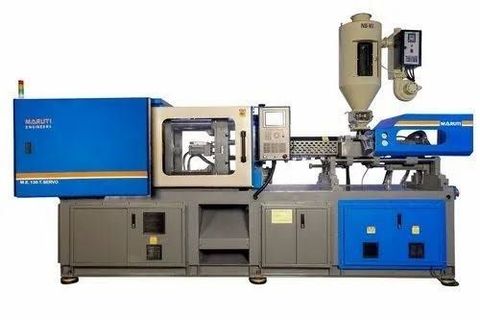
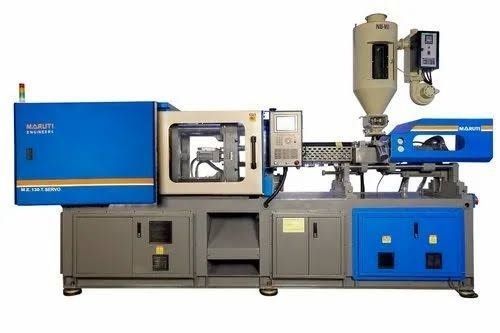
A plastic injection molding machine is equipment used to produce plastic parts by heating polymer material until it becomes moldable and then injecting it into a shaped mold.
After the material cools and solidifies, the finished part is removed from the mold. This process is widely used for components found in household products, electronics, vehicles, packaging, medical equipment, and industrial products.
The basic concept of injection molding developed from early plastic-processing methods and became increasingly automated as mechanical, hydraulic, electrical, and computer-controlled technologies developed. Modern plastic injection molding machines combine material heating, injection, mold clamping, cooling, and part removal within a coordinated production cycle.
A typical injection molding machine has several major sections. The injection unit prepares and pushes the plastic material into the mold, while the clamping unit holds the mold securely during injection and cooling. Temperature controls, sensors, motors, hydraulic components, and computerized controls help coordinate the operating sequence.
How Injection Molding Works
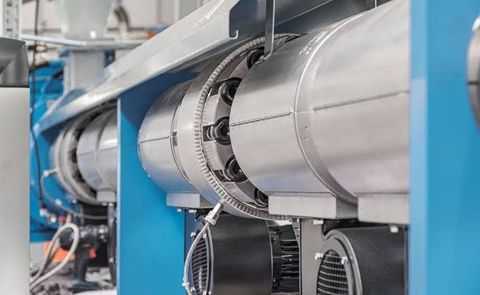
The process begins when plastic pellets or granules are placed into a hopper. The material moves into a heated barrel where it is gradually softened. A rotating screw usually transports the material forward while also mixing and preparing it for injection.
Once enough molten material has accumulated, the screw moves forward and pushes it through a nozzle into the mold cavity. Pressure keeps the material filling the required shape, followed by a cooling period during which the plastic becomes solid.
The mold then opens and the molded component is removed. The machine resets for the next cycle, allowing the same mold to produce repeated parts when the process parameters are properly controlled.
Main Types of Injection Molding Machines
Different machine designs are used according to production requirements, material characteristics, part dimensions, and operating conditions. Common categories include:
- Hydraulic injection molding machine: Uses hydraulic systems to create clamping and injection movement.
- Electric injection molding machine: Uses electric motors and control systems for machine movements.
- High speed injection molding machine: Designed for applications requiring rapid injection and short cycle times.
- Automated injection molding machine: Integrates automated controls and may connect with robotic or material-handling equipment.
- Precision injection molding machine: Designed for applications where dimensional control and repeatability are important.
Plastic molding machinery can also be categorized by clamping arrangement, injection capacity, control architecture, and the type of plastic being processed.
Importance
Injection molding is important because many plastic products require repeatable shapes and consistent dimensions. The process can produce both relatively simple components and complex parts containing ribs, openings, textures, threads, or other molded features.
Plastic injection molding equipment is used across numerous industries. Everyday examples include containers, closures, electrical housings, appliance components, automotive parts, toys, fittings, and consumer-product components.
Supporting Different Manufacturing Requirements
An industrial injection molding machine can be configured for different combinations of mold size, injection volume, clamping force, material type, and production speed. This flexibility allows manufacturers to process a wide range of thermoplastics and, with appropriate equipment, other polymer materials.
Injection molding equipment also supports different levels of automation. A production cell may include the molding machine, mold temperature controls, material dryers, conveyors, robots, inspection equipment, and other auxiliary systems.
Factors That Affect Molded Parts
The quality and dimensions of a molded part depend on several interconnected factors. These can include:
- Material characteristics and moisture content.
- Mold design and cooling arrangement.
- Injection pressure and speed.
- Barrel and mold temperature.
- Holding pressure and cooling duration.
- Machine condition and process control.
- Part geometry and wall thickness.
Changes in one parameter can influence other aspects of the process. For example, cooling conditions can affect shrinkage and dimensions, while injection speed can influence how molten material fills a mold.
Role of Automation
Automated plastic injection molding systems can reduce the amount of manual handling required during repeated production cycles. Robots can remove parts, arrange components, transfer inserts, or move molded pieces to another stage.
Automation can also connect production equipment with monitoring and data systems. Sensors may record temperatures, pressures, cycle information, and machine conditions, allowing operators to observe process behavior and investigate variations.
Recent Updates
From 2024 through 2026, injection molding technology has continued moving toward greater electrification, automation, data collection, and material efficiency. These developments are occurring alongside broader changes in manufacturing, including increased use of connected equipment and digital monitoring.
Electric injection molding machines have received continued attention because electric drives can provide precise control of machine movements. Hydraulic systems remain widely used, while hybrid designs combine hydraulic and electric technologies for particular applications.
Digital Controls and Monitoring
Modern advanced injection molding systems increasingly use computerized control interfaces. These systems can display operating parameters, production information, alarms, and maintenance-related data.
Industrial injection molding systems may also connect with manufacturing information platforms. Such connectivity can help organize production records and monitor process conditions across multiple machines.
Automation and Robotics
Automation is another continuing development. Robots and automated handling equipment can be integrated with injection molding cells to move molded components and perform repetitive handling tasks.
The degree of automation varies considerably. Some production environments use basic automated part removal, while others combine multiple machines with centralized material handling, inspection, and packaging equipment.
Material and Energy Considerations
Manufacturers are also examining ways to reduce material waste and manage energy use during molding. Improved machine controls, mold design, process monitoring, and material handling can influence resource consumption.
Advanced plastic injection molding machinery may incorporate technologies intended to manage heating, motor operation, injection movement, and cooling more precisely. Actual energy performance depends on the machine design, operating conditions, material, mold, and production cycle.
| Machine Type | Primary Drive Approach | Common Considerations |
|---|---|---|
| Hydraulic | Hydraulic power | Clamping force, hydraulic control, maintenance |
| Electric | Electric motors | Motion control, repeatability, energy management |
| Hybrid | Combination of hydraulic and electric systems | Application-specific balance |
| High-speed | High-speed injection and movement systems | Cycle requirements and material behavior |
| Automated | Integrated machine and automation controls | Part handling and process coordination |
Tools and Resources
Several tools help users understand, plan, and manage injection molding operations. These resources range from basic calculation methods to specialized engineering software.
Molding Calculators and Design Tools
Injection molding calculators can be used to estimate parameters such as shot volume, clamping requirements, material usage, and cooling considerations. The exact calculations depend on the material, mold, machine, and part geometry.
Computer-aided design software is commonly used to create part and mold models. Mold-flow analysis tools can simulate how molten plastic may move through a mold and can help identify potential filling, cooling, or shrinkage issues before physical production.
Machine Documentation and Standards
Technical manuals provide information about machine controls, operating ranges, maintenance procedures, and safety requirements. Industry standards and technical publications can also provide terminology and general guidance related to plastics processing and machinery safety.
For custom injection molding equipment, documentation should describe the intended application, material requirements, mold specifications, automation interfaces, and control parameters.
Production Monitoring Resources
Digital production-monitoring platforms can collect information from industrial equipment. Depending on the system, recorded information may include cycle duration, temperature, pressure, machine status, alarms, and production counts.
These resources can help create records for process analysis. They do not replace appropriate machine operation procedures, inspection practices, or safety controls.
FAQs
What is a plastic injection molding machine?
A plastic injection molding machine heats plastic material until it becomes moldable and injects it into a shaped mold. After cooling, the solidified component is removed from the mold.
How does a plastic injection molding machine work?
The machine feeds plastic pellets into a heated barrel, melts the material, and injects it into a mold under controlled pressure. The material then cools before the mold opens and the component is removed.
What is the difference between hydraulic and electric injection molding machines?
A hydraulic injection molding machine uses hydraulic power for major machine movements, while an electric injection molding machine uses electric motors and associated control systems. Each design has different operating characteristics.
What are advanced injection molding systems?
Advanced injection molding systems generally combine modern machine controls with technologies such as automated handling, sensors, digital monitoring, and process-data collection. Their configuration depends on the production application.
What is a precision injection molding machine used for?
A precision injection molding machine is used when molded components require close control of dimensions and process conditions. Applications can include electronic components, technical parts, and other products with specific dimensional requirements.
Conclusion
Plastic injection molding machines use controlled heating, injection, cooling, and mold handling to create a wide range of plastic components. Hydraulic, electric, hybrid, high-speed, and automated designs provide different approaches to managing these production steps. Recent developments have placed greater emphasis on digital controls, automation, connected monitoring, and resource management. The suitability of a particular machine or process depends on material properties, part design, mold characteristics, production requirements, and operating conditions.