Rubber Processing Machine: A Complete Guide to Industrial Applications
Rubber processing machines are industrial systems used to transform natural or synthetic rubber into materials and products with specific physical properties.
Rubber processing machines can handle activities such as mixing, compounding, extrusion, molding, vulcanization, cooling, and recycling. These operations are used in the production of tires, seals, hoses, belts, rollers, gaskets, footwear components, and many other rubber-based products.
Modern rubber processing machinery developed from mechanical equipment designed to mix and shape rubber more consistently. As manufacturing methods became more automated, individual machines were connected into larger production systems. Today, industrial rubber processing equipment can combine mechanical components, temperature controls, sensors, programmable controls, and material-handling systems.
How Rubber Processing Works
Rubber generally needs to pass through several stages before it becomes a finished component. Raw rubber may first be prepared and mixed with additives such as reinforcing materials, pigments, processing aids, or curing ingredients. The resulting compound can then be shaped and processed according to its intended application.
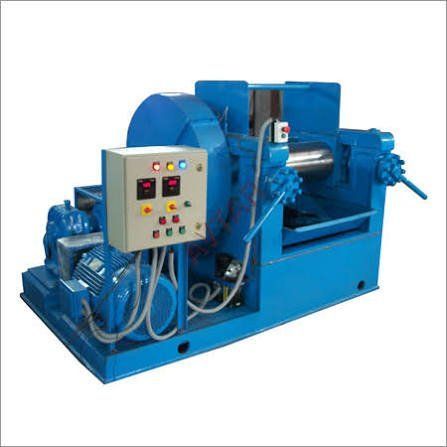
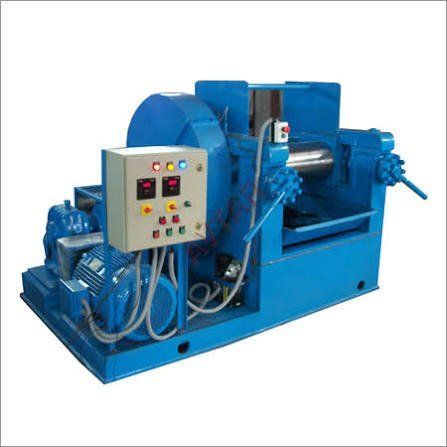
A rubber mixing machine is commonly used during the compounding stage. It combines rubber with selected ingredients under controlled mechanical and thermal conditions. Rubber compounding machinery may include internal mixers, open mills, feeding equipment, and related material-handling systems.
After mixing, the compound can move to shaping equipment. A rubber extrusion machine forces the material through a shaped opening to produce continuous profiles such as tubes, strips, seals, or coated materials. Rubber molding machines instead shape rubber inside a mold, allowing manufacturers to produce components with defined dimensions and forms.
Main Equipment Categories
Industrial rubber production line equipment can contain several machine types working together. Common categories include:
Rubber mixing machines for blending rubber and formulation ingredients.
Rubber extrusion processing systems for producing continuous profiles.
Rubber vulcanizing machines for curing rubber under controlled heat and pressure.
Rubber molding machines for forming specific component shapes.
Cooling and conveying equipment for handling processed material.
Rubber recycling processing machines for preparing selected rubber waste for further use.
The equipment arrangement varies according to the rubber formulation, product geometry, production method, and required processing conditions.
Importance
Rubber processing is important because rubber materials are used in products that require flexibility, resilience, sealing, vibration control, abrasion resistance, or resistance to environmental conditions. Automotive components, industrial equipment, construction materials, consumer products, and transportation systems all use various forms of rubber.
Industrial rubber mixing equipment helps create consistent compounds before shaping takes place. Controlled mixing can help distribute ingredients throughout the rubber material, while extrusion, molding, and vulcanization determine the physical form and characteristics of the finished component.
Supporting Different Rubber Products
Different products require different processing methods. A hose may require extrusion followed by curing, while a molded gasket may require a mold and controlled vulcanization cycle. Large rubber sheets may use rolling or calendering equipment before additional processing.
The following table provides a simplified view of common processing stages:
| Processing Stage | Typical Equipment | Main Purpose |
|---|---|---|
| Material preparation | Feeders, cutters, weighing systems | Prepare and measure ingredients |
| Mixing | Internal mixers, open mills | Combine rubber and additives |
| Compounding | Rubber compounding machinery | Develop the required compound |
| Extrusion | Rubber extrusion machine | Create continuous shapes |
| Molding | Rubber molding machines | Form defined components |
| Vulcanization | Rubber vulcanizing machine | Cure the rubber |
| Cooling | Cooling conveyors, tanks | Reduce material temperature |
| Recycling | Rubber recycling processing machines | Process selected rubber waste |
Addressing Manufacturing Challenges
Rubber production involves materials that can change behavior with temperature, pressure, formulation, and processing time. Equipment must therefore provide controlled conditions appropriate to the material and product.
Automatic rubber processing machinery can coordinate repeated operations through programmable controls and sensors. Automation can also help record process information, monitor equipment conditions, and reduce unnecessary manual handling in structured production environments.
Heavy duty rubber processing equipment is used in applications where machines must handle substantial material loads or continuous industrial operation. The appropriate configuration depends on the compound, throughput requirements, product dimensions, and production process.
Recent Updates
From 2024 through 2026, rubber manufacturing has continued to move toward greater automation, improved process monitoring, energy awareness, and material recovery. These developments involve both individual machines and complete production systems.
Advanced rubber manufacturing machinery increasingly incorporates sensors and digital control systems. Temperature, pressure, motor conditions, material flow, and other operating parameters can be monitored during processing. Collected information can help operators understand how a process is behaving and identify changes that require attention.
Automation and Digital Monitoring
Automatic rubber processing machinery can connect different stages of a production process. A control system may coordinate material feeding, mixing cycles, extrusion conditions, temperature management, and other operations according to predefined settings.
Digital monitoring is also becoming more common in high capacity rubber processing systems. Data from sensors can be recorded and displayed through control interfaces, allowing operators to review operating conditions and process history.
Recycling and Material Recovery
Rubber recycling processing machines are receiving greater attention as manufacturers examine ways to handle production scrap and used rubber materials. Depending on the material, recycling processes can involve shredding, grinding, separation, screening, and preparation for subsequent applications.
Recycled rubber does not always have the same characteristics as newly processed rubber, so its suitability depends on the material source, contamination, particle size, formulation, and intended use. Processing methods therefore vary according to the type of rubber being recovered.
Flexible Production Systems
Custom rubber processing machinery can be configured around particular products, materials, or production layouts. Rather than relying on one standard arrangement, some facilities use equipment combinations designed around their manufacturing sequence.
Complete rubber processing plant systems may integrate material preparation, mixing, extrusion, molding, curing, cooling, inspection, and material movement. Greater integration can make process relationships easier to monitor, although it also increases the importance of equipment compatibility and control-system coordination.
Tools and Resources
Several tools and resources can help people understand rubber processing machinery and production methods. Technical equipment manuals can explain machine components, operating parameters, maintenance requirements, and safety procedures.
Process Planning Resources
Process flow diagrams and production templates can help map how rubber moves from raw material preparation to finished components. A basic process map may include:
Material preparation and weighing.
Mixing and compounding.
Intermediate material handling.
Extrusion or molding.
Vulcanization and curing.
Cooling and inspection.
Packaging or subsequent assembly.
Technical calculators can also be used for basic production planning, such as material throughput, cycle time, temperature conversion, unit conversion, and equipment capacity calculations.
Technical and Educational Resources
Industrial standards organizations, engineering reference materials, equipment manuals, and university publications provide information about rubber materials and processing principles. Manufacturer documentation can also explain specific equipment configurations, control functions, and operating limitations.
Process simulation and monitoring platforms can help users study production behavior before changes are introduced to physical equipment. The usefulness of these resources depends on the accuracy of the underlying process information.
FAQs
What are rubber processing machines used for?
Rubber processing machines are used to mix, compound, shape, cure, cool, and sometimes recycle rubber materials. Different equipment types support different stages of rubber manufacturing.
How does a rubber mixing machine work?
A rubber mixing machine combines rubber with selected additives through controlled mechanical action. Internal mixers and open mills are common examples, with operating conditions determined by the material formulation and processing requirements.
What is a rubber extrusion machine?
A rubber extrusion machine pushes prepared rubber compound through a shaped opening to create a continuous profile. It can be used for products such as tubes, strips, seals, and other continuous rubber forms.
What is a rubber vulcanizing machine?
A rubber vulcanizing machine applies controlled heat, pressure, or related curing conditions to transform a prepared rubber compound into a more stable finished material. The exact curing process depends on the formulation and product.
What is the role of rubber recycling processing machines?
Rubber recycling processing machines can reduce selected rubber materials into forms suitable for further processing or other applications. Equipment may include shredders, grinders, separators, and screening systems, depending on the material and intended output.
Conclusion
Rubber processing machines support multiple stages of industrial rubber production, from material mixing and compounding to extrusion, molding, vulcanization, and recycling. Industrial rubber processing equipment has increasingly incorporated automation, sensors, digital controls, and material-recovery methods. Equipment selection and system configuration depend on rubber formulation, product design, production volume, and processing requirements. Understanding these stages provides a clearer view of how raw rubber compounds are transformed into finished industrial and consumer components.