Torque Testing Machine: An Overview of Testing Methods and Applications
A torque testing machine is a device used to measure the rotational force applied to an object or component.
Torque is the twisting force that causes an object to rotate around an axis. It is commonly measured in newton-meters (Nm), pound-force feet (lb-ft), or pound-force inches (lb-in). A torque tester machine helps manufacturers, engineers, and quality control teams evaluate the strength, performance, and reliability of mechanical components.
Industrial torque testing equipment is used in manufacturing, automotive production, aerospace engineering, electronics, packaging, and mechanical assembly. These machines help measure how much rotational force a component can withstand or produce. Depending on the application, a digital torque testing machine may measure tightening force, rotational resistance, breaking torque, or the torque generated by a motor.
How Torque Testing Machines Work
A torque testing machine generally applies a controlled rotational force to a test sample while measuring its response. The sample is secured in a fixture, and a drive mechanism or manual input applies torque. A sensor, commonly a strain gauge-based torque transducer, detects the applied force and converts it into an electrical signal.
The measurement system processes this signal and displays the torque value. Some machines also record rotational angle, speed, and changes in torque throughout a test. A precision torque testing machine may include digital controls and data recording features for more detailed analysis.
Common Types of Torque Testing Equipment
Different testing requirements call for different machine designs.
- Manual torque testers: Used for basic measurements involving hand-operated tools or components.
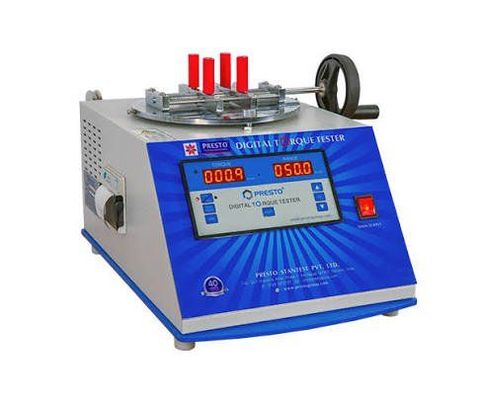
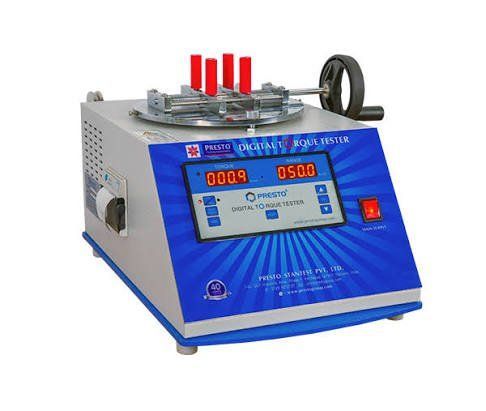
- Digital torque testers: Display torque measurements electronically and may include data storage.
- Automatic torque testing machines: Apply controlled torque through motorized mechanisms and programmed test sequences.
- Dynamic torque testing machines: Measure torque during rotation or changing operating conditions.
- Motor torque testing machines: Evaluate the torque output and performance of electric motors and related equipment.
Importance
Torque measurement plays an important role in product quality, mechanical safety, and equipment performance. Many components depend on appropriate rotational force to function correctly. Insufficient or excessive torque can affect the stability, durability, and operation of mechanical assemblies.
Quality Control in Manufacturing
Manufacturers use an industrial torque tester to check whether components meet specified torque requirements. In automotive production, torque testing can help evaluate fasteners, drive components, steering assemblies, and rotating parts. In electronics and packaging, testing may focus on screw connections, bottle caps, closures, and small mechanical assemblies.
A digital torque tester equipment setup can record measurements for inspection and comparison. This information helps identify variations between production batches and supports quality documentation.
Safety and Equipment Reliability
Torque testing is also relevant to equipment safety. Components exposed to repeated twisting forces may experience wear, deformation, or failure over time. Testing helps engineers understand the limits of materials and mechanical assemblies under controlled conditions.
High capacity torque testing equipment is used when large components or heavy mechanical systems require substantial rotational force during testing. The selected capacity must match the expected measurement range to avoid unsuitable readings or equipment overload.
Applications Across Industries
Torque measurement equipment supports several technical applications, including:
- Automotive testing for engine components, transmission parts, and fasteners.
- Aerospace testing for rotating assemblies and mechanical connections.
- Electrical engineering for motors, shafts, and drive systems.
- Packaging inspection for container closures and cap-opening torque.
- Industrial maintenance for checking torque tools and mechanical components.
Recent Updates
Developments in torque testing from 2024 through 2026 generally reflect broader changes in digital measurement, automated testing, and industrial data management. Manufacturers and testing laboratories are increasingly using electronic measurement systems that combine torque readings with software-based analysis and test records.
Digital Measurement and Automation
A digital torque testing machine can provide measurement displays, configurable test settings, and electronic records. Some systems can connect to computers or industrial networks to transfer measurement data into quality management applications.
An automated torque measurement system can perform repeated test sequences with reduced manual input. Automation may help standardize test procedures, although correct setup, fixture alignment, and sample preparation remain important.
Advanced Torque Measurement Systems
Advanced torque measurement systems increasingly combine sensors, digital controllers, and analysis software. These systems may capture torque changes throughout a test instead of recording only a single maximum value.
Dynamic torque testing machine designs are relevant to applications where torque changes with rotational speed, load, or operating conditions. Such measurements can help engineers examine the behavior of motors, rotating shafts, and drive assemblies.
Calibration and Measurement Accuracy
Torque calibration equipment is used to check and adjust the measurement performance of torque tools and testing systems. Calibration practices help establish a relationship between applied torque and displayed measurements.
An industrial torque calibration system may use reference transducers, calibration devices, and documented procedures. Regular calibration intervals depend on equipment use, measurement requirements, operating conditions, and applicable quality standards.
| Testing Method | Main Purpose | Common Application |
|---|---|---|
| Static torque testing | Measures torque under stationary or controlled conditions | Fasteners and mechanical components |
| Dynamic torque testing | Measures torque during rotation | Motors and rotating shafts |
| Breakaway torque testing | Determines the force needed to initiate movement | Fasteners and threaded assemblies |
| Tightening torque testing | Evaluates torque applied during fastening | Automotive and industrial assembly |
| Torque calibration | Checks measurement accuracy against a reference | Testing instruments and torque tools |
Tools and Resources
Selecting and operating torque testing equipment involves understanding measurement ranges, testing methods, fixtures, and calibration requirements. Several technical resources can help explain these factors.
Testing Software and Measurement Tools
Software associated with a torque testing machine may record torque values, display measurement curves, and generate test reports. Some applications also allow operators to compare results with predefined limits or export data for further analysis.
Common supporting resources include:
- Torque unit conversion calculators for converting Nm, lb-ft, and lb-in.
- Test planning templates for recording sample details and test conditions.
- Measurement software for collecting and reviewing torque data.
- Technical manuals for operating and maintaining testing equipment.
- Calibration records for documenting instrument checks and measurement history.
Choosing Suitable Testing Equipment
The appropriate equipment depends on the type of component, expected torque range, testing speed, and measurement accuracy requirements. A high precision torque testing system may be needed for small components or applications with narrow measurement tolerances.
When evaluating torque testing machine price, factors such as measurement capacity, sensor specifications, automation features, software, and calibration requirements can influence the overall equipment budget. Comparing technical specifications helps explain differences between testing systems without relying on price alone.
FAQs
What is a torque testing machine used for?
A torque testing machine measures rotational force applied to or generated by a component. It is used to evaluate mechanical performance, fastening requirements, rotational resistance, and component strength.
How does a digital torque testing machine work?
A digital torque testing machine uses a torque sensor to detect rotational force. Its electronic measurement system processes the sensor signal and displays the result, with some models also recording test data and rotational angle.
What is the difference between static and dynamic torque testing?
Static torque testing measures rotational force under stationary or controlled conditions. Dynamic torque testing measures torque while a component is rotating or operating under changing conditions.
Why is torque calibration equipment important?
Torque calibration equipment helps verify that testing instruments provide measurements consistent with known reference values. Calibration supports measurement accuracy and traceability in testing and quality control activities.
Which industries use industrial torque testing equipment?
Industrial torque testing equipment is used in automotive manufacturing, aerospace engineering, electronics, packaging, machinery production, and other industries that work with rotating components or torque-controlled assemblies.
Conclusion
A torque testing machine measures rotational force and helps evaluate the performance, strength, and reliability of mechanical components. Different testing methods, including static, dynamic, breakaway, and calibration testing, address different measurement requirements. Digital technology and automation are expanding how torque measurements are collected, recorded, and analyzed. Understanding equipment types, testing procedures, and calibration principles provides useful background on torque measurement across industrial applications.