Vial Filling Machines: Discover Pharmaceutical Filling Technology and Automated Production
Vial Filling Machines are pharmaceutical processing systems designed to dispense precise quantities of liquid, powder, or other formulations into vials. These machines can integrate filling, container handling, stoppering, and other controlled operations. Modern systems use automated controls, sensors, and enclosed processing areas to support consistent vial filling and organized pharmaceutical production.
Vial Filling Machines: Discover Pharmaceutical Filling Technology and Automated Production
Vial Filling Machines are specialized systems used in pharmaceutical manufacturing to fill vials with controlled quantities of liquid, powder, or other pharmaceutical formulations. Vials are commonly used as primary containers for various injectable, sterile, and other pharmaceutical products, making accurate and controlled filling an important part of the production process.
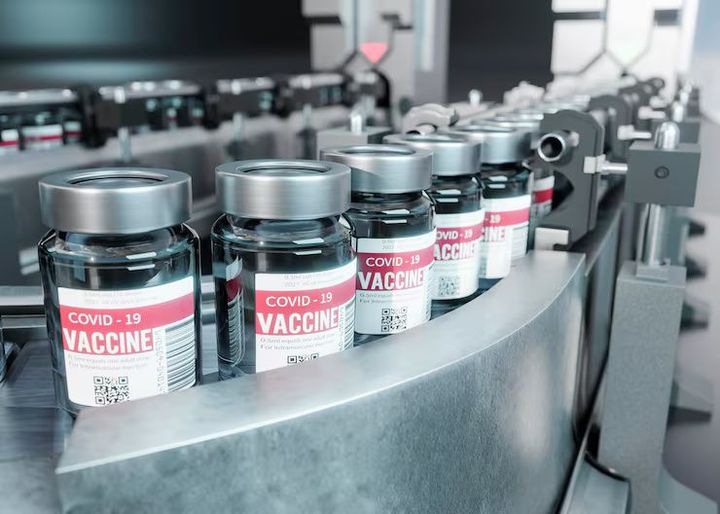
A vial filling system can perform several operations within an integrated production line. Depending on the machine configuration, these may include vial feeding, cleaning or air rinsing, filling, stopper placement, crimping, inspection, and container discharge.
The exact arrangement depends on the formulation, vial dimensions, filling volume, production requirements, and manufacturing environment. Systems designed for sterile products require particularly controlled processing conditions and appropriate contamination-control measures.
Context
Pharmaceutical filling involves transferring a prepared formulation into individual containers while maintaining the required quantity and quality characteristics. Vials may be made from glass or other suitable materials and can have different sizes, neck dimensions, and closure arrangements.
Vial Filling Machines use controlled dosing mechanisms to transfer the formulation into each container. The filling mechanism is selected according to the physical properties of the material being handled.
Main Types of Vial Filling Systems
Different filling technologies are used for different pharmaceutical formulations.
| Filling System | General Characteristic | Typical Application |
|---|---|---|
| Liquid filling system | Uses controlled liquid dosing | Solutions and liquid formulations |
| Powder filling system | Measures and transfers powder | Dry pharmaceutical formulations |
| Piston filling system | Uses piston displacement for dosing | Controlled liquid volumes |
| Peristaltic filling system | Uses tubing compression for fluid transfer | Sensitive or sterile liquid applications |
| Time-pressure filling | Uses controlled pressure and filling time | Selected liquid formulations |
The appropriate technology depends on factors such as viscosity, formulation sensitivity, fill volume, container characteristics, and required process conditions.
Main Components
A Vial Filling Machine can contain a vial feeding system, filling station, dosing pumps, filling needles, product reservoir, sensors, control panel, stopper handling system, and container discharge mechanism.
Automated lines may also include vial washing or rinsing equipment, sterilization-related equipment, stoppering machines, crimping systems, inspection units, and labeling equipment.
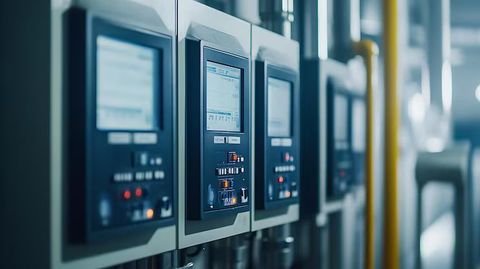
Sensors detect vial presence and position so that filling operations can occur at the appropriate point in the process. The control system coordinates movement and filling functions according to the programmed process.
Basic Filling Process
Vials are first transferred into the machine through an infeed system. Depending on the production configuration, empty containers may undergo cleaning or rinsing before entering the filling area.
The filling station positions the vial beneath the dosing system. A measured quantity of formulation is then transferred into the container.
After filling, a stopper can be placed into the vial, followed by crimping or another closure operation where applicable. Additional inspection and handling stages may then occur before the filled vial moves to subsequent processing.
Importance
Vial Filling Machines play an important role in pharmaceutical production because controlled container filling supports consistent product presentation and downstream processing.
Filling Accuracy
Each vial is intended to receive a defined quantity of formulation. Dosing systems therefore need to maintain controlled filling performance across repeated cycles.
Filling accuracy can be influenced by formulation properties, pump selection, equipment calibration, filling speed, and process conditions.
Container Handling
Vials are relatively small containers that must be positioned correctly during filling and closing. Automated handling systems use guides, conveyors, star wheels, grippers, or other mechanisms depending on the equipment design.
Consistent container positioning helps the filling needle or dosing mechanism operate correctly.
Sterile Processing
Some vial products require sterile manufacturing conditions. In such cases, filling equipment forms part of a controlled production environment designed to reduce contamination risks.
Equipment may incorporate enclosed filling areas, appropriate airflow arrangements, sterilizable product-contact components, and controlled transfer systems according to the manufacturing process.
Product Compatibility
Different formulations have different physical and chemical characteristics. Liquids may vary in viscosity, foaming behavior, particle content, or sensitivity to mechanical handling.
The filling mechanism and product-contact materials therefore need to be compatible with the formulation and process requirements.
Production Automation
Automated vial filling systems can coordinate multiple steps within a production line. Sensors and programmable controls can synchronize container movement, dosing, stopper placement, and other operations.
Automation can also provide process information that supports production monitoring and documentation.
Recent Updates
From 2024 through 2026, vial filling technology has continued to emphasize automation, digital monitoring, flexible production, contamination control, and improved process integration.
Advanced Automation
Modern filling systems can use programmable control systems to coordinate machine movements and filling parameters. Automated recipes can help establish repeatable processing conditions for different vial formats and formulations.
Servo-driven mechanisms can provide controlled movement of filling and container-handling components where appropriate.
Digital Monitoring
Sensors can monitor parameters such as filling volume, container presence, machine speed, pressure, temperature, and equipment status.
Digital interfaces allow operators to view operating conditions and alarms through centralized control screens. Data recording can also support manufacturing documentation.
Flexible Format Handling
Pharmaceutical facilities may process multiple vial sizes and formats. Modern equipment can incorporate adjustable or changeover-friendly mechanisms to accommodate different container dimensions.
Automated format settings can reduce manual adjustment requirements when properly configured and validated.
Improved Contamination Control
Sterile pharmaceutical production continues to emphasize controlled environments and contamination prevention. Filling systems can be integrated with restricted-access barriers, isolator technologies, controlled airflow, and other containment arrangements where required.
The equipment configuration depends on the product and facility's contamination-control strategy.
Robotic Handling
Robotic technologies can be integrated into selected pharmaceutical packaging and handling processes. Robotic systems may assist with container transfer, loading, unloading, or other repetitive handling functions.
Their use depends on the required production layout and the level of automation implemented at the facility.
Data Integration
Modern equipment can connect with manufacturing information systems and plant-level automation platforms. This can support electronic records, equipment-status monitoring, process data collection, and production traceability.
The exact level of integration depends on the facility architecture and applicable quality-system requirements.
Laws or Policies
Vial Filling Machines used in pharmaceutical manufacturing operate within regulated production environments. Requirements vary according to the product, jurisdiction, manufacturing process, and facility.
Good Manufacturing Practices
Pharmaceutical manufacturers generally operate under Good Manufacturing Practice requirements. These principles cover equipment suitability, process control, sanitation, documentation, personnel practices, and quality management.
The applicable requirements depend on the market and regulatory framework under which the product is manufactured.
Equipment Qualification
Pharmaceutical processing equipment may undergo qualification activities to demonstrate that it has been installed and operates according to predefined requirements.
Installation, operational, and performance-related qualification activities may be applied according to the facility's quality system and equipment role.
Sterility Requirements
When vials contain sterile products, filling operations must follow applicable requirements for sterile manufacturing and contamination control.
Facility design, environmental monitoring, equipment cleaning, sterilization procedures, personnel practices, and process controls may all form part of the overall sterile-production strategy.
Cleaning and Sanitation
Product-contact components must be cleaned according to documented procedures. Cleaning requirements depend on the formulation, materials used, manufacturing sequence, and contamination-control approach.
Equipment design can support cleaning through accessible components, suitable materials, and appropriate disassembly arrangements.
Data and Documentation
Automated filling systems can generate process information that may form part of production documentation. Electronic data systems need appropriate controls for access, integrity, storage, and review where applicable.
Manufacturing records should follow the requirements of the relevant quality system.
Tools and Resources
Vial Filling Machines use a combination of dosing components, container-handling equipment, sensors, inspection systems, and technical documentation.
Common Components and Resources
| Component or Resource | General Purpose |
|---|---|
| Filling needles | Transfer formulation into vials |
| Dosing pumps | Control formulation delivery |
| Product reservoir | Holds formulation before filling |
| Vial infeed system | Transfers containers into the machine |
| Sensors | Detect container position and process conditions |
| Stoppering unit | Places closures into filled vials |
| Crimping unit | Secures applicable vial closures |
| Control system | Coordinates automated operations |
| Inspection system | Checks selected container attributes |
Calibration and measurement equipment can be used to verify filling performance. The appropriate measurement approach depends on the formulation and process requirements.
Technical manuals, equipment drawings, operating procedures, cleaning instructions, qualification documents, and maintenance records are also important resources.
For sterile filling environments, environmental monitoring equipment can help assess conditions such as airborne particles and other relevant parameters according to the facility's contamination-control program.
FAQs
What are Vial Filling Machines used for?
Vial Filling Machines are used to transfer controlled quantities of pharmaceutical formulations into vials. Depending on the system, they can handle liquid, powder, or other suitable formulations and may integrate stoppering and container-handling operations.
How do Vial Filling Machines work?
The machine transfers empty vials into a controlled filling area, positions them beneath a dosing mechanism, and dispenses a predetermined quantity of formulation. Subsequent systems can place stoppers, secure closures, and inspect the containers.
What types of filling systems are used for vials?
Common technologies include piston filling, peristaltic filling, time-pressure filling, and other dosing arrangements. The appropriate system depends on formulation properties, filling requirements, container characteristics, and the manufacturing process.
Why is automation important in Vial Filling Machines?
Automation coordinates vial movement, dosing, filling, closure handling, monitoring, and other machine functions. Sensors and programmable controls can help maintain repeatable operating conditions and provide information about equipment status.
Are Vial Filling Machines used for sterile pharmaceutical production?
Yes. Vial filling systems can be configured for sterile pharmaceutical manufacturing. Such applications require suitable equipment design, controlled environments, contamination-control measures, cleaning and sterilization procedures, and compliance with applicable pharmaceutical requirements.
Conclusion
Vial Filling Machines provide controlled systems for transferring pharmaceutical formulations into individual vials. Their design can combine dosing technology, container handling, sensors, automated controls, stoppering, crimping, and inspection functions within an integrated production process.
Recent developments have emphasized digital monitoring, flexible format handling, advanced automation, contamination-control technologies, robotics, and data integration. Proper equipment qualification, cleaning, process control, documentation, maintenance, and compliance with applicable pharmaceutical requirements remain important for organized and controlled vial filling operations.