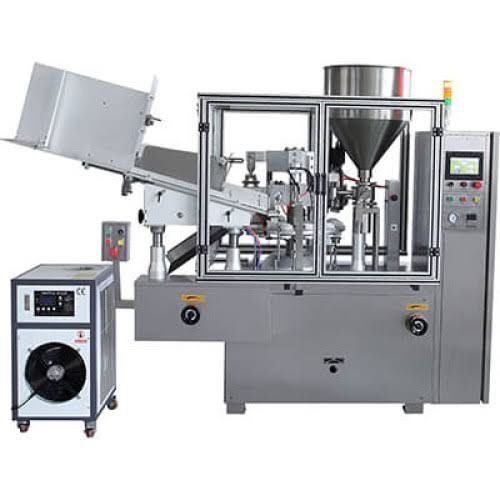
Tube Filling Machines: A Guide to Modern Filling Technologies
Tube filling machines are automated or semi-automated systems designed to place measured quantities of a product into tubes and prepare those tubes for closure.
They are used for products such as creams, gels, pastes, lotions, adhesives, food products, and other materials that can be packaged in flexible or semi-rigid tubes. The basic purpose is to create a consistent sequence from empty tube loading to filling and sealing.
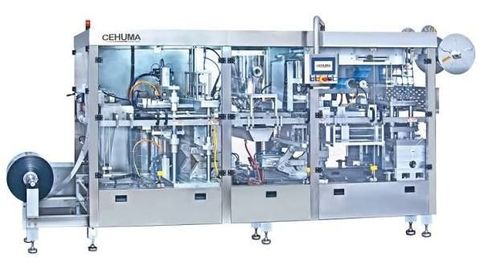
A tube filling machine generally combines several operations in one production sequence. Depending on its design, the equipment may orient empty tubes, position them, fill them with a measured quantity, seal the tube, mark identification information, and remove completed packages.
Tube filling technologies developed as manufacturers needed more consistent packaging methods for products produced in larger quantities. Manual filling can involve variations in quantity, tube positioning, and closure quality. Mechanical and electronic controls allow these activities to be organized into repeatable steps.
How Tube Filling Systems Work
A typical tube filling system begins with empty tubes placed into a feeding or loading mechanism. The tubes are positioned so that their openings face the filling station. A dosing mechanism then introduces a predetermined quantity of material into each tube.
After filling, the tube moves to a sealing station. Depending on the tube material and product requirements, sealing may involve heat, ultrasonic energy, crimping, or another closure method. Some systems also include coding or marking equipment for batch information and other identification details.
Main Types of Tube Filling Equipment
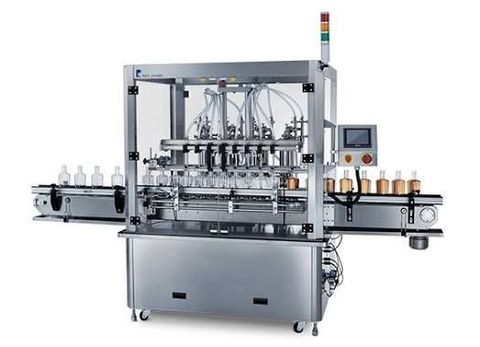
Tube filling equipment can be classified according to its level of automation, filling method, tube material, and intended application. A semi-automatic system may require an operator to perform some loading or handling steps, while an automatic tube filling machine can coordinate several stages with limited manual intervention.
Common categories include:
- Automatic tube filling systems for coordinated filling and sealing operations.
- Industrial tube filling machines designed for repeated production processes.
- Pharmaceutical tube filling machine configurations for regulated packaging environments.
- Cosmetic tube filling machine configurations for creams, lotions, gels, and similar products.
- Tube filling and sealing machine designs that combine product dosing with tube closure.
The appropriate configuration depends on the product characteristics, tube dimensions, required filling range, and production environment.
Importance
Tube filling machines matter because packaging directly affects how a product is contained, handled, identified, and distributed. A tube must receive an appropriate quantity while maintaining its physical integrity and closure. Inconsistent filling or sealing can create packaging problems and material waste.
The technology is relevant to several industries, including personal care, pharmaceuticals, food processing, household products, and industrial materials. Each sector can have different requirements concerning hygiene, product consistency, tube materials, and inspection.
Supporting Consistent Filling
A precision tube filling machine uses a controlled dosing mechanism to place a defined amount of material into each tube. Different dosing technologies can be selected according to whether the material is thin, thick, viscous, granular, or sensitive to mechanical handling.
For example, piston-based dosing can be used for certain viscous materials, while other applications may use pumps or other metering arrangements. The filling mechanism must be compatible with the physical properties of the product.
Tube Filling and Sealing
A tube filling and sealing machine combines two important packaging stages. After the material is introduced, the tube must be closed in a manner appropriate for its construction.
Plastic and laminated tubes can use different sealing approaches, while metal tubes may commonly use crimping. Automated tube filling and sealing systems can coordinate tube movement and closure so that each stage follows a defined sequence.
Applications Across Industries
The requirements of a pharmaceutical tube filling system can differ from those of equipment used for cosmetic or household products. Pharmaceutical packaging may require controlled environments, documented procedures, cleaning considerations, and inspection processes appropriate to the application.
Cosmetic packaging can involve products with different textures and formulations. A cosmetic tube filling machine may therefore need a dosing arrangement capable of handling creams, gels, lotions, or other formulations without excessive product disturbance.
| Application | Typical Products | Important Considerations |
|---|---|---|
| Pharmaceuticals | Creams, gels, topical formulations | Hygiene, accuracy, documentation |
| Cosmetics | Lotions, creams, gels | Product texture, appearance, sealing |
| Food | Pastes, sauces, spreads | Material handling and packaging hygiene |
| Household products | Adhesives, cleaning formulations | Viscosity and tube compatibility |
| Industrial materials | Sealants, compounds, pastes | Dosing range and material behavior |
Recent Updates
From 2024 through 2026, tube filling technology has generally moved toward greater automation, improved monitoring, flexible machine configurations, and closer integration between packaging equipment and digital production systems. These developments reflect broader changes in manufacturing, where equipment increasingly exchanges information with supervisory and production-management platforms.
Greater Automation and Monitoring
Automated tube filling equipment can now incorporate sensors and electronic controls that monitor different stages of the packaging sequence. Sensors may detect tube presence, positioning, filling conditions, sealing activity, or other operating parameters.
These features can help identify process deviations during production. Depending on system design, equipment may pause when a required condition is not detected rather than continuing through the next stage.
Flexible Production Formats
Advanced tube filling machinery is increasingly designed around the need to accommodate different tube sizes, materials, and product formulations. Changeover mechanisms can allow equipment to be adjusted for another tube format or production requirement.
This flexibility is relevant to facilities handling multiple product formats. However, the actual adjustment procedure varies considerably between machine designs.
Digital Integration
Modern automated industrial tube filling systems can include electronic data collection and communication functions. Production information may be recorded for monitoring, quality documentation, maintenance planning, or process analysis.
Some equipment can also connect with broader manufacturing software. This creates a relationship between physical packaging operations and digital production records, although compatibility depends on the communication standards and software used.
Accuracy and Product Handling
High precision tube filling equipment continues to focus on controlled dosing and repeatable tube positioning. Developments in sensors, controllers, pumps, and dosing mechanisms can help equipment respond to variations in operating conditions.
Product handling remains important because different materials behave differently during filling. Thick materials, air-sensitive formulations, or products containing particles may require different equipment configurations.
Tools and Resources
Understanding tube filling technology does not require specialized equipment. Several practical resources can help readers and production teams understand how a particular system works.
Machine Specifications and Product Data
Equipment documentation normally contains information about tube dimensions, filling ranges, production sequences, compatible materials, electrical requirements, and operating conditions. Product formulation data can also help determine which dosing technology is appropriate.
Useful information to review includes:
- Tube diameter and length.
- Tube material and sealing method.
- Product viscosity and consistency.
- Required filling quantity.
- Number of filling nozzles.
- Cleaning and changeover procedures.
- Available inspection and monitoring functions.
Process Mapping and Templates
A simple process map can show the sequence from tube loading through filling, sealing, inspection, and discharge. Such a map can help non-technical readers understand where each component fits into the overall process.
Production checklists can also document tube specifications, filling settings, sealing conditions, inspection points, and changeover requirements.
Industry and Technical Resources
Technical standards organizations, packaging associations, equipment manuals, and manufacturing education platforms can provide background information about packaging processes. Regulatory agencies may also publish guidance relevant to specific industries, particularly pharmaceutical and food packaging.
These resources can be used alongside equipment documentation to understand terminology, operating principles, and packaging requirements.
FAQs
What are tube filling machines used for?
Tube filling machines are used to place measured quantities of products into tubes and prepare those tubes for closure. They can be used for creams, gels, pastes, lotions, adhesives, food products, and other compatible materials.
How does an automatic tube filling machine work?
An automatic tube filling machine typically feeds or positions empty tubes, introduces a measured quantity of product, seals the tubes, and may perform marking or inspection. Sensors and programmed controls coordinate the sequence.
What is a tube filling and sealing machine?
A tube filling and sealing machine combines product dosing and tube closure within a coordinated packaging process. The sealing method depends on the tube material and equipment configuration.
What is a pharmaceutical tube filling machine?
A pharmaceutical tube filling machine is configured for packaging applications in pharmaceutical manufacturing. Its design may incorporate controlled filling, hygiene considerations, documentation, inspection, and other requirements applicable to the production environment.
What factors affect tube filling equipment selection?
Important factors include product viscosity, filling quantity, tube material, tube dimensions, sealing method, required production arrangement, cleaning requirements, and the level of automation needed. Equipment specifications should correspond to the characteristics of the intended application.
Conclusion
Tube filling machines combine product dosing, tube handling, sealing, and related packaging activities into structured production sequences. Modern systems range from semi-automatic equipment to automated tube filling and sealing systems that incorporate sensors, electronic controls, and digital monitoring. Different industries require different configurations because products, tubes, hygiene requirements, and sealing methods can vary. Understanding these operating principles provides a foundation for comparing tube filling technologies and their applications.