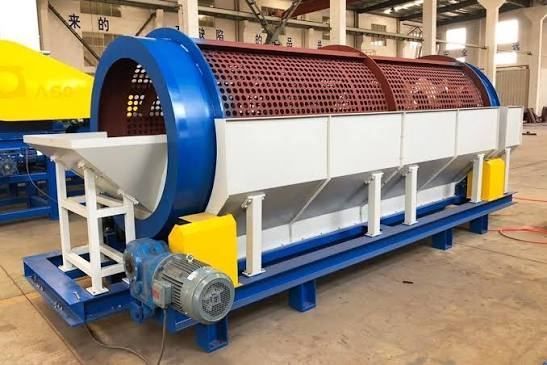
Trommel Screening Machine: An Overview of Design and Applications
A trommel screening machine is a mechanical device used to separate materials according to their size.
It uses a rotating cylindrical drum with perforated surfaces to sort materials as they move through the machine. Trommel screens are commonly used in mining, construction, agriculture, composting, and waste recycling, where large quantities of mixed materials need to be separated.
The concept of rotary screening developed from the need to process bulk materials more efficiently. Traditional manual screening methods require considerable physical effort and time. A rotary trommel screening machine uses mechanical rotation and gravity to move materials through a screening surface, making it suitable for continuous material separation.
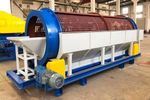
An industrial trommel screen generally consists of a rotating drum, a supporting frame, a drive system, feeding equipment, and material collection sections. The drum allows smaller particles to pass through its openings while larger pieces continue toward the discharge end.
Main Components and Design
The design of trommel screening equipment varies according to the material being processed and the required screening capacity. Its main components include:
- Rotating drum: A cylindrical screen with openings that determine the size of separated particles.
- Drive system: An electric motor, gearbox, or other mechanical arrangement that rotates the drum.
- Supporting structure: A frame with rollers or other supports that hold the drum in position.
- Feed hopper: An entry point that directs raw material into the screening section.
- Discharge outlets: Separate collection areas for different material sizes.
- Cleaning mechanisms: Brushes, lifters, or other devices that help reduce material buildup on the screening surface.
A heavy duty trommel screen may use reinforced structural components to handle abrasive materials and demanding operating conditions.
Types of Trommel Screening Machines
Different designs are used for specific working environments. A mobile trommel screening machine is mounted on a movable chassis, allowing it to operate at different locations. Stationary industrial rotary screen machines are generally installed at fixed processing facilities.
An automatic trommel screening machine may include automated feeding, speed adjustment, monitoring, and material-handling controls. A compost trommel screening machine is designed to separate finished compost from larger organic particles, while mining trommel screening equipment is used for sorting mineral-bearing materials and removing unwanted size fractions.
Importance
Trommel screening machines play an important role in industries that handle large quantities of loose or mixed materials. They help separate materials into different size categories, supporting subsequent stages of processing, transportation, recycling, or disposal.
Applications in Mining and Construction
Mining operations often process materials containing rocks, soil, gravel, and mineral-bearing particles of different sizes. A mining trommel screening equipment setup can separate selected size fractions before further processing.
In construction and aggregate production, aggregate screening equipment helps classify sand, gravel, crushed stone, and other materials. The screening process supports consistent material sizing for activities such as road construction, concrete production, and infrastructure development.
Waste Management and Recycling
A waste recycling trommel screen is used in facilities that process municipal solid waste, construction debris, and other mixed materials. It can separate fine organic matter from larger objects, helping organize materials for additional sorting or treatment.
An industrial waste screening machine may also be used in waste processing facilities to remove oversized items and separate different fractions. The resulting material streams can then move through further mechanical or manual sorting stages.
Composting and Agricultural Uses
Organic waste processing facilities use trommel screens to separate compost according to particle size. A compost trommel screening machine can help remove larger pieces of wood, stones, and incompletely decomposed material from finished compost.
In agricultural applications, rotary screening may also be used to process soil, mulch, and other bulk materials. The selected screen openings and drum configuration depend on the material's moisture, composition, and intended use.
Factors That Affect Screening Performance
Several operating conditions influence the performance of a trommel screening system:
- Drum speed: Rotation affects how material moves and spreads across the screening surface.
- Screen opening size: The dimensions of the openings determine which particles can pass through.
- Drum angle: Inclination influences material movement and the time it remains inside the drum.
- Material moisture: Wet or sticky materials may cling to the screen and reduce separation efficiency.
- Feed rate: Excessive material input can create a deep layer that limits particle contact with the screen.
These factors are considered when configuring a high capacity trommel screen for a particular application.
Recent Updates
Developments in trommel screening technology from 2024 through 2026 reflect broader changes in industrial equipment design. Current engineering trends include improved monitoring, greater attention to energy use, modular equipment layouts, and integration with automated material-handling systems.
Automation and Digital Monitoring
An automated industrial screening system can incorporate sensors and control equipment to monitor drum speed, motor load, vibration, and operating conditions. These measurements can help operators identify unusual behavior and plan equipment inspections.
Some advanced mining screening machinery also integrates with plant-level control systems. Such arrangements allow screening operations to coordinate with conveyors, crushers, feeders, and other processing equipment.
Mobility and Modular Design
Mobile screening equipment continues to support projects that require processing at multiple locations. Mobile trommel screening machines can be used at construction sites, recycling facilities, and temporary material-processing areas.
Modular designs are another general development. Replaceable screen panels, adjustable configurations, and accessible maintenance components can simplify certain equipment modifications and inspections.
Energy and Material Handling
Equipment designers increasingly consider energy consumption, material flow, and maintenance requirements when developing heavy duty rotary screening systems. Improvements may include changes to drive arrangements, drum geometry, and material-feeding mechanisms.
However, actual energy use and screening capacity vary according to machine design, material characteristics, operating conditions, and maintenance practices.
Tools and Resources
Selecting and understanding trommel screening equipment involves reviewing technical specifications, material characteristics, and operating requirements. Several resources can support this process.
Equipment Selection and Planning Tools
Equipment specification sheets provide details such as drum dimensions, screen opening sizes, motor ratings, feed capacity, and machine weight. These details help explain whether a particular industrial trommel screen is suited to a specific material.
Screening capacity calculators and material-flow worksheets can help estimate processing requirements. Such calculations generally require information about feed volume, bulk density, moisture, particle-size distribution, and operating hours.
Technical Documentation and Safety Resources
Equipment manuals explain operating procedures, inspection intervals, lubrication requirements, and maintenance precautions. Industrial safety guidance can also help operators understand rotating machinery hazards, guarding requirements, and safe material-handling practices.
Technical publications from mining, recycling, and materials-processing organizations provide additional information about screening principles and equipment configurations.
Understanding Trommel Screen Machine Price
The trommel screen machine price depends on several factors, including drum dimensions, screening capacity, construction materials, automation features, mobility, and installation requirements.
Comparing equipment specifications can provide context for understanding differences between machines. A complete industrial trommel screening system may include feeders, conveyors, support structures, electrical controls, and material collection equipment beyond the screening drum itself.
FAQs
What is a trommel screening machine used for?
A trommel screening machine separates bulk materials by size using a rotating perforated drum. Common applications include mining, composting, construction aggregate processing, and waste recycling.
How does an industrial trommel screen work?
An industrial trommel screen rotates a cylindrical screening surface while material moves through the drum. Smaller particles pass through the openings, while larger particles travel toward the discharge end.
What factors affect trommel screen machine price?
Trommel screen machine price is influenced by drum size, processing capacity, screen configuration, construction materials, mobility, automation, and additional equipment requirements.
What is the difference between a mobile and stationary trommel screen?
A mobile trommel screening machine is designed to move between processing locations, while a stationary machine is installed at a fixed facility. Their suitability depends on site layout, material flow, and operational requirements.
Can a trommel screening machine process wet materials?
Some trommel screening machines can process wet materials, but moisture may cause particles to stick together or block screen openings. Drum design, cleaning mechanisms, and material characteristics influence performance.
Conclusion
A trommel screening machine separates bulk materials through the rotation of a perforated cylindrical drum. Its applications extend across mining, construction, composting, agriculture, and waste recycling. Machine design, screen openings, drum speed, and material conditions influence screening performance. Automation, mobility, and equipment monitoring are important developments shaping modern trommel screening systems.