Thermoforming Machine Guide to Modern Plastic Forming Processes
A thermoforming machine is equipment used to shape heated plastic sheets into specific forms.
The process involves heating a thermoplastic sheet until it becomes flexible, positioning it over or inside a mold, and applying pressure or vacuum to create the desired shape. After cooling, the formed plastic is trimmed and prepared for its intended application.
Thermoforming developed as manufacturers looked for practical methods of producing lightweight plastic components with consistent shapes. Modern thermoforming machines are used across packaging, food containers, medical packaging, consumer products, automotive components, and industrial applications. The technology has developed from relatively simple forming equipment into automated thermoforming systems that can coordinate heating, forming, cooling, trimming, and material handling.
How Thermoforming Works
The basic process starts with a plastic sheet or roll-fed material. A plastic sheet thermoforming machine heats the material using controlled heating zones. Once the sheet reaches an appropriate forming condition, it is transferred toward a mold.
The forming stage can use vacuum, pressure, mechanical movement, or combinations of these methods. A vacuum thermoforming machine removes air between the heated sheet and mold, allowing atmospheric pressure to push the material against the mold surface.
After forming, the plastic is cooled until it retains the required shape. Excess material around the formed component is then removed through trimming or cutting. Depending on the production setup, the finished pieces may move directly to inspection, stacking, packaging, or another processing stage.
Main Types of Thermoforming Equipment
Different applications require different configurations of thermoforming machinery. The selection depends on material type, component dimensions, production volume, forming depth, mold design, and the required level of automation.
Common categories include:
- A plastic thermoforming machine designed for shaping thermoplastic sheets into containers, panels, trays, and other components.
- An industrial thermoforming machine intended for repeated production in industrial environments.
- A vacuum thermoforming machine that uses vacuum pressure to draw heated material against a mold.
- An automatic thermoforming machine that coordinates multiple process stages with limited manual handling.
- A packaging thermoforming machine designed for trays, containers, lids, and related packaging formats.
- An industrial vacuum forming machine used for larger components or applications requiring controlled vacuum forming.
Importance
Thermoforming is important because molded plastic components are used in many everyday products and industrial processes. Food containers, protective packaging, equipment housings, interior vehicle components, and various technical parts can be produced through forming methods.
The process can also accommodate different sheet materials and mold designs. This makes thermoforming relevant to manufacturers that need different shapes, sizes, and surface characteristics from thermoplastic materials.
Applications Across Industries
Food and consumer packaging represent a major area of thermoforming use. Food packaging thermoforming equipment can produce trays, cups, containers, and other shapes used to hold or protect products.
Industrial applications can involve protective covers, equipment panels, trays, housings, and components with relatively large surface areas. In these settings, industrial plastic forming equipment may be integrated with cutting, material feeding, inspection, and handling equipment.
Thermoforming is also used in transportation and other manufacturing environments. Components may include interior panels, protective parts, storage elements, and shaped covers.
Factors That Influence Forming Results
Several factors affect the final shape and quality of a thermoformed component. These include heating temperature, heating distribution, sheet thickness, mold geometry, forming pressure, vacuum level, cooling conditions, and trimming accuracy.
Material behavior is also important. Different thermoplastics respond differently to heating and forming. Operators and engineers therefore need to consider the characteristics of the selected material when establishing process parameters.
| Process factor | Main function | Potential effect |
|---|---|---|
| Heating zones | Softens the plastic sheet | Influences material flexibility |
| Mold design | Defines the component shape | Affects dimensions and surface detail |
| Vacuum or pressure | Draws material into the mold | Influences forming accuracy |
| Cooling | Stabilizes the formed shape | Affects dimensional stability |
| Trimming | Removes excess material | Defines the final edge |
| Material handling | Moves sheets and formed parts | Influences workflow consistency |
Automation in Thermoforming
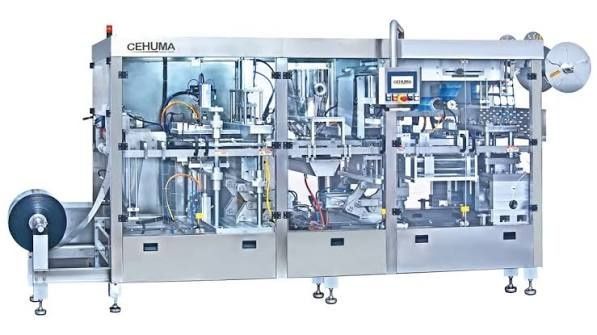
Automation can connect several stages of production into one coordinated sequence. An automatic thermoforming machine may include automated sheet feeding, heating control, mold movement, forming, cooling, trimming, and stacking.
A high speed thermoforming machine may be configured for continuous or repeated cycles, depending on the application. High capacity thermoforming systems can also be designed to handle larger material volumes or multiple production stages within an integrated arrangement.
Automation does not eliminate the need for process monitoring. Temperature, material thickness, mold condition, and forming parameters still need to be controlled to maintain predictable production results.
Recent Updates
Recent developments in thermoforming from 2024 through 2026 have generally focused on automation, energy management, material efficiency, digital monitoring, and integration with broader manufacturing systems. These developments reflect the wider movement toward connected production equipment.
More Automated Production
Advanced thermoforming equipment increasingly incorporates sensors, programmable controls, automated material handling, and digital monitoring. These functions can provide information about heating conditions, machine cycles, material movement, and production status.
Automated plastic packaging systems can combine forming with downstream activities such as trimming, stacking, inspection, and packaging. This reduces the number of separate handling stages within an integrated production setup.
Energy and Material Management
Heating is a central part of thermoforming, so temperature management remains an important area of equipment development. Modern systems may use multiple heating zones and electronic controls to distribute heat across a sheet more precisely.
Material efficiency is also receiving attention. Improved nesting, controlled trimming, and the collection of production scrap can help manage material use. Reprocessed material may be suitable for some applications, depending on polymer type, contamination, regulatory requirements, and product specifications.
Digital Monitoring and Integration
Digital controls are becoming more common in advanced industrial thermoforming systems. Data from sensors can be used to monitor temperatures, cycle conditions, equipment status, and production parameters.
Some systems can connect with broader manufacturing software. This can allow thermoforming machinery to exchange production information with planning, quality, maintenance, or inventory systems.
Tools and Resources
Several tools and reference materials can help explain, plan, or evaluate thermoforming processes. Technical documentation from equipment manufacturers can provide information about machine configurations, forming methods, heating arrangements, and material compatibility.
Design and Process Resources
CAD software is commonly used to create or examine mold and component designs. Process engineers can use dimensional drawings and forming simulations to study how a heated sheet may behave around a mold.
Useful resources include:
- CAD programs for developing component and mold geometry.
- Material data sheets for understanding thermoplastic characteristics.
- Process parameter tables for recording temperature, pressure, and cycle information.
- Production checklists for reviewing forming, trimming, and cooling stages.
- Maintenance records for tracking equipment inspections and component replacement.
- Quality templates for recording dimensions, appearance, and forming consistency.
Production Line Resources
A complete thermoforming production line can include material feeding, heating, forming, cooling, trimming, stacking, and inspection equipment. The exact arrangement varies according to the product and production method.
Industrial documentation and technical standards can also help organizations understand material handling, machine safety, electrical requirements, and operating procedures. These resources are useful for establishing consistent terminology and documenting process requirements.
FAQs
What is a thermoforming machine used for?
A thermoforming machine heats thermoplastic sheets and forms them over or into molds. It can produce items such as trays, containers, panels, covers, packaging components, and various shaped plastic parts.
How does a vacuum thermoforming machine work?
A vacuum thermoforming machine heats a plastic sheet and places it over a mold. Air is removed from between the sheet and mold, allowing atmospheric pressure to push the softened plastic against the mold surface.
What is the difference between manual and automatic thermoforming machines?
Manual systems require more operator involvement during material handling or individual process stages. Automatic thermoforming machines can coordinate several stages, such as feeding, heating, forming, trimming, and stacking, through programmed controls.
What materials can a plastic sheet thermoforming machine process?
Thermoforming can be used with various thermoplastic materials, including materials commonly used for packaging and industrial components. The suitable material depends on its forming temperature, thickness, mechanical properties, application requirements, and regulatory considerations.
What is included in a complete thermoforming production line?
A complete thermoforming production line may include sheet or roll feeding, heating, forming, cooling, trimming, stacking, inspection, and material collection. The exact configuration depends on the product and production requirements.
Conclusion
Thermoforming machines shape heated thermoplastic sheets into containers, panels, packaging components, and other products through controlled forming processes. Modern thermoforming equipment increasingly combines heating controls, automation, sensors, digital monitoring, and material-handling functions. Vacuum forming, pressure forming, and automated production systems serve different applications depending on material and component requirements. Understanding the stages of thermoforming provides a foundation for understanding how modern plastic forming processes operate.