Tablet Coating Machines: Guide to Pharmaceutical Coating Technology and Processing Systems
Tablet Coating Machines are processing systems used in pharmaceutical manufacturing to apply controlled layers of coating material to tablet surfaces. These systems use rotating pans or specialized chambers with controlled spraying, airflow, temperature, and drying conditions. Modern tablet coating equipment incorporates automated controls and monitoring technologies to support consistent coating processes and organized pharmaceutical production.
Tablet Coating Machines: Guide to Pharmaceutical Coating Technology and Processing Systems
Tablet Coating Machines are specialized pharmaceutical processing systems designed to apply a coating layer to the outside surface of tablets. Coating can serve several purposes, including improving tablet appearance, protecting ingredients from environmental conditions, controlling how a tablet interacts with moisture, and supporting specific release characteristics.
The coating process involves placing tablets into a rotating chamber or pan while a coating liquid or suspension is sprayed onto their surfaces. Controlled airflow and temperature help remove moisture from the applied coating as the tablets move continuously through the processing area.
Modern Tablet Coating Machines combine mechanical movement, spraying systems, air-handling equipment, temperature control, monitoring instruments, and automated controls. The exact arrangement depends on tablet characteristics, coating formulation, production requirements, and pharmaceutical manufacturing practices.
Context
Tablet coating is generally performed after tablet compression. The compressed tablets are transferred into a coating system, where they are exposed to controlled application and drying conditions.
The machine needs to maintain suitable movement of the tablet bed while distributing coating material evenly across tablet surfaces. At the same time, the drying system must remove the liquid portion of the coating without creating undesirable conditions for the tablets.
Main Types of Tablet Coating Machines
Different coating systems are used according to production scale, formulation requirements, and process design.
| Machine Type | General Characteristic | Typical Application |
|---|---|---|
| Conventional coating pan | Rotating pan with spray and drying arrangement | Standard tablet coating |
| Perforated coating pan | Perforated rotating drum with controlled airflow | Pharmaceutical film coating |
| Fully automated coater | Integrated control of spraying and process conditions | Controlled production environments |
| Laboratory coating system | Small-scale processing configuration | Formulation development and trials |
Perforated pan systems are widely used because they allow drying air to pass through the tablet bed while coating material is sprayed onto moving tablets.
Main Components
A Tablet Coating Machine typically contains a coating chamber, rotating pan or drum, spray guns, liquid delivery system, air-handling system, heating and drying equipment, exhaust system, control panel, and monitoring instruments.
The spray system distributes coating material across the tablet bed. Pumping equipment regulates the flow of coating liquid, while spray nozzles or guns atomize the liquid into droplets.
The air-handling system supplies conditioned air and removes moisture-laden exhaust air. Temperature, airflow, and pressure conditions can be monitored through sensors and control systems.
Coating Process
The process generally begins with loading tablets into the coating chamber. The pan or drum rotates to create continuous tablet movement.
Coating liquid is sprayed onto the moving tablets while conditioned air passes through the chamber. The liquid spreads across tablet surfaces, and controlled drying removes moisture.
Several cycles of spraying and drying may be used until the required coating characteristics are achieved. The finished tablets are then discharged for subsequent processing or packaging.
Importance
Tablet coating requires controlled processing because coating uniformity can influence the physical characteristics and performance of the finished dosage form.
Surface Protection
A coating can provide a protective layer around the tablet. Depending on the formulation, this layer may help reduce exposure to moisture, light, oxygen, or handling conditions.
The type of protection required depends on the formulation and the intended pharmaceutical product.
Appearance
Coating can modify tablet color, surface texture, and overall appearance. Consistent spraying and tablet movement help produce a more uniform surface.
Color and surface characteristics are generally controlled through the formulation and the coating process.
Taste and Odor Masking
Some tablet formulations have an unpleasant taste or odor. A suitable coating can create a barrier between the tablet core and the mouth.
This function depends on the coating formulation and the characteristics of the active and inactive ingredients.
Release Characteristics
Certain specialized coatings are designed to influence where or when a drug is released. Examples include enteric coatings and modified-release systems.
Such applications require carefully controlled formulations and validated processing conditions because coating characteristics can influence dosage-form performance.
Process Consistency
The coating process involves several interacting parameters. Spray rate, atomization, pan speed, inlet-air temperature, airflow, exhaust conditions, and tablet movement can influence the result.
Automated monitoring can help maintain these parameters within established process ranges.
Recent Updates
From 2024 through 2026, pharmaceutical coating technology has continued to emphasize automation, process monitoring, data integration, containment, and improved control of coating conditions.
Automated Process Control
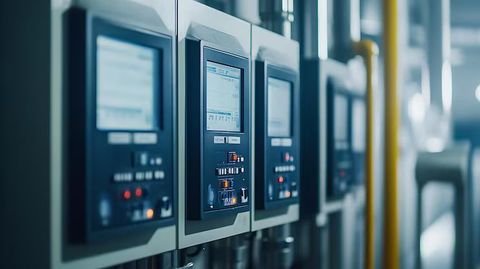
Modern coating machines can use programmable control systems to regulate pan speed, spray rate, inlet-air temperature, airflow, and other process parameters.
Automated recipes can help operators reproduce established processing conditions while reducing unnecessary manual adjustments.
Advanced Monitoring
Sensors can continuously monitor temperature, pressure, airflow, humidity, and other variables. Data can be displayed through digital interfaces and recorded for process review.
Some systems also integrate multiple sensor signals to provide a more complete view of coating conditions.
Improved Spray Systems
Spray technology continues to develop through improvements in nozzle design, atomization control, liquid distribution, and spray-gun positioning.
Controlled droplet formation is important because excessively large or small droplets can affect drying behavior and coating uniformity.
Containment
Pharmaceutical manufacturing may require containment when handling active ingredients or formulations that require controlled exposure.
Coating equipment can incorporate enclosed processing chambers, controlled airflow, filtration, and specialized handling arrangements according to the manufacturing environment.
Data Integration
Modern pharmaceutical equipment can connect with plant-level systems for production records, equipment monitoring, and process documentation.
Electronic records can help organize information about process parameters, equipment status, alarms, and batch operations where appropriate.
Energy Management
Air handling and drying systems can require substantial energy. Modern designs increasingly consider airflow control, heat management, efficient motors, and recovery strategies where appropriate.
The objective is to maintain required processing conditions while managing energy use within the facility.
Laws or Policies
Tablet coating operations are conducted within pharmaceutical manufacturing environments subject to extensive quality, safety, and regulatory requirements. Requirements differ by country and product category.
Good Manufacturing Practices
Pharmaceutical manufacturing generally follows Good Manufacturing Practice principles. These principles address areas such as equipment suitability, cleanliness, documentation, process control, personnel practices, and quality management.
Manufacturers need to follow the requirements applicable to their products and operating jurisdiction.
Equipment Qualification
Pharmaceutical processing equipment may require qualification activities to demonstrate that it has been installed and operates according to predefined requirements.
Qualification approaches can include installation qualification, operational qualification, and performance-related assessments depending on the equipment and quality system.
Cleaning Requirements
Tablet coating equipment must be cleaned according to documented procedures. Cleaning requirements depend on the formulation, materials handled, manufacturing sequence, and contamination-control strategy.
Equipment design can support cleaning through accessible surfaces, suitable materials, and appropriate drainage or cleaning arrangements.
Worker Safety
Coating processes can involve powders, solvents, heated air, moving machinery, and pressurized spray systems. Appropriate safeguards, ventilation, protective equipment, and operating procedures are therefore important.
Where flammable solvents or potentially hazardous materials are used, additional controls may apply.
Environmental Controls
Pharmaceutical facilities may have requirements related to air emissions, solvent handling, waste management, and environmental protection.
The specific requirements depend on the coating formulation and local regulations.
Tools and Resources
Tablet coating operations use mechanical components, process instruments, laboratory equipment, and documentation to maintain controlled processing conditions.
Common Equipment and Resources
| Tool or Resource | General Purpose |
|---|---|
| Spray guns | Apply coating material to tablets |
| Peristaltic or dosing pumps | Control coating-liquid delivery |
| Air-handling system | Supplies and removes process air |
| Temperature sensors | Monitor drying conditions |
| Airflow sensors | Monitor process-air movement |
| Humidity sensors | Track moisture conditions |
| Control system | Regulates process parameters |
| Cleaning equipment | Supports equipment sanitation |
| Inspection tools | Assess coating appearance and uniformity |
Laboratory analysis can also support coating development. Tablets may be examined for coating thickness, appearance, weight changes, mechanical characteristics, and other quality attributes according to the formulation and applicable analytical procedures.
Technical documentation is another important resource. Equipment manuals, process instructions, cleaning procedures, qualification records, maintenance documents, and batch records help maintain consistent operations.
Process development may also use small-scale coating systems before a formulation is transferred to larger production equipment. Scale-up requires careful consideration of airflow, spray behavior, tablet movement, drying capacity, and other process variables.
FAQs
What are Tablet Coating Machines used for?
Tablet Coating Machines apply controlled layers of coating material to tablet surfaces. Depending on the formulation, coating can support protection, appearance, taste masking, or specific release characteristics.
How do Tablet Coating Machines work?
Tablets rotate inside a coating pan or chamber while coating liquid is sprayed onto their surfaces. Controlled airflow and temperature remove moisture as the tablets move through the coating process.
What types of coatings can be applied to tablets?
Common pharmaceutical coating approaches include film coating, sugar coating, enteric coating, and certain modified-release coatings. The appropriate coating depends on the formulation and intended dosage-form characteristics.
Which parameters affect Tablet Coating Machines?
Important parameters can include pan speed, spray rate, atomization conditions, inlet-air temperature, airflow, exhaust conditions, coating-liquid properties, and tablet movement. These parameters interact and are generally controlled within established process ranges.
Why is automation important in Tablet Coating Machines?
Automation can help regulate process parameters, monitor equipment conditions, record process information, and reproduce established processing recipes. It can also support more consistent control of spraying and drying conditions.
Conclusion
Tablet Coating Machines provide controlled systems for applying protective, functional, or appearance-related layers to pharmaceutical tablets. Their operation combines tablet movement, coating-liquid spraying, airflow, drying, temperature control, and process monitoring.
Modern systems increasingly incorporate automated controls, advanced sensors, data integration, containment features, and improved air-handling technologies. Proper equipment qualification, cleaning, process control, documentation, personnel practices, and compliance with applicable pharmaceutical requirements remain important for controlled tablet coating operations.