Sterile Medical Device: Manufacturing, Sterilization & Packaging
A sterile medical device is designed and processed so that it meets defined requirements for sterility when supplied for its intended medical application.
These devices are used in environments where microorganisms could create significant risks, including surgical procedures, injections, wound management, and other clinical applications.
Producing sterile medical devices involves much more than applying a sterilization process at the end of manufacturing. Materials, production environments, assembly procedures, packaging systems, sterilization methods, storage conditions, and quality controls all need to work together.
Understanding these elements helps manufacturers, healthcare organizations, and procurement teams evaluate sterile medical products more effectively.
What Is a Sterile Medical Device?
A sterile medical device is a medical device that has undergone a validated process intended to achieve the required level of sterility.
Examples can include:
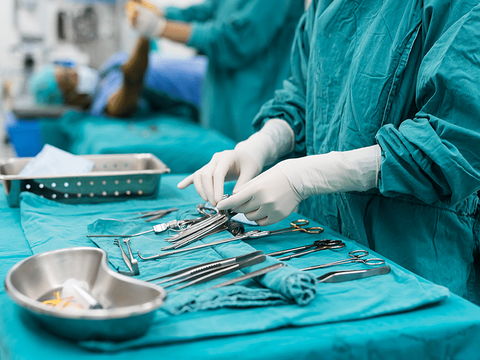
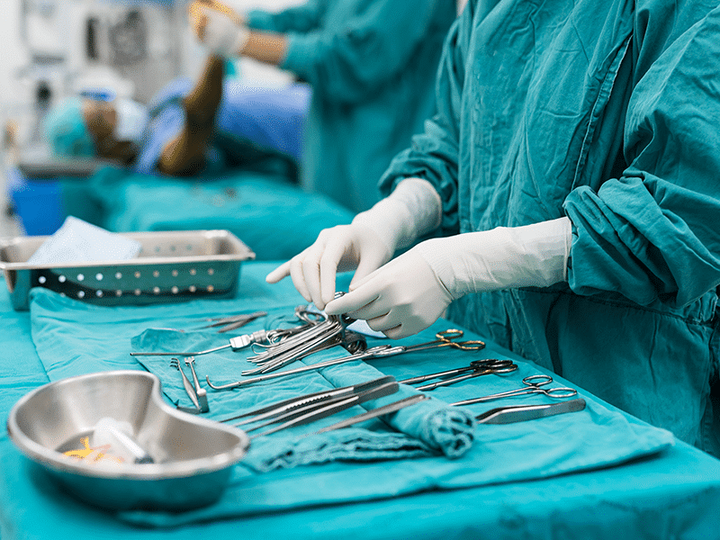
- Surgical instruments
- Catheters
- Syringes
- Needles
- Wound-care products
- Implantable devices
- Procedure kits
- Certain diagnostic devices
- Single-use medical components
The appropriate sterilization approach depends on the device's materials, construction, intended use, packaging, and compatibility with the sterilization process.
Why Sterility Matters
Microbial contamination can create serious risks when medical devices enter sterile body sites, contact compromised tissue, or are used during invasive procedures.
Sterility therefore forms part of a broader medical-device safety strategy.
Manufacturers must control potential contamination throughout the production lifecycle, including:
- Raw-material handling
- Component manufacturing
- Assembly
- Packaging
- Sterilization
- Transportation
- Storage
A sterile product can also lose its sterile state if packaging is damaged or compromised.
Sterile Device Manufacturing Process
The sterile device manufacturing process generally combines controlled manufacturing conditions with validated sterilization and packaging systems.
1. Material Selection
Materials are selected according to mechanical, chemical, biological, and sterilization requirements.
Common materials may include:
- Stainless steel
- Titanium
- Medical-grade polymers
- Silicone
- Glass
- Specialty elastomers
The selected material must remain stable during manufacturing, sterilization, transportation, and intended use.
2. Component Manufacturing
Individual components are produced using processes such as injection molding, extrusion, machining, forming, cutting, or other specialized manufacturing techniques.
Dimensional accuracy can be particularly important for components such as connectors, valves, catheters, and precision surgical devices.
3. Cleaning
Manufacturing residues and particulate matter may need to be removed before final assembly and sterilization.
Cleaning processes should be controlled and validated according to the device and manufacturing requirements.
4. Assembly
Components are assembled under appropriate environmental and process controls.
The assembly environment may need controls for particulate and microbial contamination depending on the device and manufacturing process.
5. Packaging
The finished device is placed in packaging designed to protect it from contamination and maintain its sterile state until the package is opened.
6. Sterilization
A validated sterilization process is applied using a method compatible with the device and packaging materials.
7. Inspection and Release
Finished products are inspected and evaluated against defined specifications before release.
Medical Device Sterilization Methods
Medical device sterilization can use several technologies. No single method is suitable for every device.
| Sterilization Method | Typical Characteristics | Key Consideration |
|---|---|---|
| Steam | Moist heat | Suitable for heat-resistant products |
| Ethylene oxide | Low-temperature gas | Useful for many heat-sensitive devices |
| Radiation | Gamma or electron beam | Can process packaged products |
| Hydrogen peroxide | Low-temperature process | Useful for selected compatible devices |
| Dry heat | High temperature | Suitable for specific materials |
| Other validated methods | Device dependent | Requires appropriate validation |
The choice depends on material compatibility, device geometry, packaging, residual requirements, process capability, and regulatory expectations.
Steam Sterilization
Steam sterilization uses saturated steam under controlled pressure and temperature.
It is widely used for heat- and moisture-resistant medical equipment and instruments.
However, materials that cannot tolerate elevated temperature or moisture may require another sterilization technology.
Ethylene Oxide Sterilization
Ethylene oxide, commonly abbreviated as EO or EtO, is a low-temperature sterilization method used for many medical devices that cannot tolerate conventional steam conditions.
The process requires careful control of exposure conditions and appropriate management of residual gas.
Radiation Sterilization
Radiation-based sterilization can include gamma irradiation or electron-beam processing.
One advantage is that certain products can be sterilized after packaging. However, radiation can affect some polymers and other materials, so compatibility must be evaluated.
Hydrogen Peroxide Sterilization
Hydrogen peroxide-based low-temperature systems can be used for selected medical devices.
The technology may be useful for devices that are sensitive to high temperatures, although device geometry, materials, packaging, and process compatibility must be considered.
Sterile Medical Device Packaging
Sterile medical device packaging plays an essential role in maintaining sterility after the sterilization process.
Packaging may include:
- Medical-grade pouches
- Sterile barrier systems
- Trays
- Blister packs
- Tyvek-based packaging
- Rigid containers
- Sealed wraps
The packaging system needs to provide an effective barrier while allowing the device to undergo the selected sterilization process.
Sterile Barrier Systems
A sterile barrier system is designed to prevent microbial penetration and maintain the sterile condition of the product until the package is opened.
Packaging design should consider:
- Seal integrity
- Material compatibility
- Sterilization exposure
- Transportation stresses
- Storage conditions
- Shelf-life requirements
- Opening characteristics
Single-Use Sterile Medical Devices
Single use sterile medical devices are intended for one use or one patient procedure according to their labeling and applicable regulatory requirements.
Examples may include:
- Disposable syringes
- Certain catheters
- Surgical blades
- Procedure kits
- Disposable tubing
- Wound-care products
Single-use designs can reduce concerns associated with reprocessing, but they create additional requirements for manufacturing consistency, packaging, sterilization, and disposal.
Quality Control for Sterile Medical Products
Quality control is essential throughout the production process.
Important controls may include:
Bioburden Testing
Bioburden testing evaluates the microbial population present before sterilization. It can provide information used in sterilization-process development and monitoring.
Sterility Testing
Sterility testing can be part of a broader sterilization assurance strategy. However, a single sterility test does not independently prove that every unit in a production batch is sterile.
Packaging Integrity Testing
Packaging integrity testing helps identify leaks, seal failures, or other defects that could compromise the sterile barrier.
Environmental Monitoring
Controlled manufacturing environments may require monitoring of airborne particles, microorganisms, surfaces, personnel practices, and other relevant parameters.
Sterile Medical Device Production Standards
Medical-device manufacturers must follow applicable regulations and standards for their target markets.
Quality-management requirements can address areas such as:
- Design controls
- Risk management
- Manufacturing processes
- Supplier controls
- Sterilization validation
- Packaging validation
- Traceability
- Corrective actions
- Documentation
Requirements differ by jurisdiction and device classification. Manufacturers should therefore determine which regulations and standards apply to their specific products.
How Manufacturers Select a Sterilization Method
Selecting a sterilization method requires a systematic evaluation.
1. Review Material Compatibility
Determine whether the device can tolerate heat, moisture, radiation, chemicals, or other sterilization conditions.
2. Evaluate Device Geometry
Complex internal channels and enclosed spaces can influence sterilization-process suitability.
3. Assess Packaging
The packaging must be compatible with both the device and the selected sterilization technology.
4. Examine Residual Requirements
Some sterilization technologies require assessment of residual chemicals or by-products.
5. Validate the Process
The selected process must be appropriately validated to demonstrate that it consistently achieves the required sterilization performance.
Sterile Medical Equipment Manufacturers
When evaluating sterile medical equipment manufacturers, organizations should consider their manufacturing and quality capabilities rather than looking only at the finished product.
Important factors include:
- Quality-management systems
- Manufacturing controls
- Sterilization capabilities
- Packaging technology
- Validation procedures
- Material traceability
- Environmental controls
- Product testing
- Regulatory documentation
- Supplier management
A manufacturer's experience with similar device categories can also be important, particularly for complex or implantable products.
Common Challenges in Sterile Device Manufacturing
Sterile medical device production can involve several technical challenges.
Material Degradation
Heat, radiation, chemicals, or moisture can alter certain materials. Compatibility testing is therefore important before selecting a sterilization process.
Packaging Failure
Weak seals, punctures, or material defects can compromise the sterile barrier during transportation or storage.
Contamination During Assembly
Poor environmental or personnel controls can introduce contamination before sterilization.
Complex Device Geometry
Long channels, narrow openings, and enclosed spaces can create challenges for certain sterilization technologies.
Frequently Asked Questions
What is a sterile medical device?
A sterile medical device is a medical device processed using an appropriate validated approach to achieve the required sterility condition for its intended application.
What are the main medical device sterilization methods?
Common methods include steam, ethylene oxide, radiation, hydrogen peroxide-based processes, and dry heat. The appropriate method depends on the device, materials, packaging, and intended use.
Why is sterile medical device packaging important?
Sterile medical device packaging protects the product from contamination after sterilization. A properly designed sterile barrier can help maintain the sterile condition through transportation and storage until use.
What are single-use sterile medical devices?
Single-use sterile medical devices are designed and labeled for one use or one patient procedure. Examples can include certain syringes, catheters, surgical components, and procedure kits.
How do manufacturers ensure medical devices remain sterile?
Manufacturers use controlled production processes, appropriate cleaning, validated sterilization, sterile barrier packaging, environmental controls, testing, monitoring, and quality-management procedures to support sterility assurance.
Conclusion
A sterile medical device requires coordinated control across materials, manufacturing, cleaning, assembly, packaging, sterilization, storage, and distribution. Sterilization is only one part of the overall process.
The appropriate technology may involve steam, ethylene oxide, radiation, hydrogen peroxide, dry heat, or another validated method, depending on the device's construction and material compatibility.
For manufacturers, careful process validation, packaging integrity, environmental controls, traceability, and quality management are essential. For healthcare organizations, understanding these factors can provide a stronger basis for evaluating sterile medical products and their intended applications.