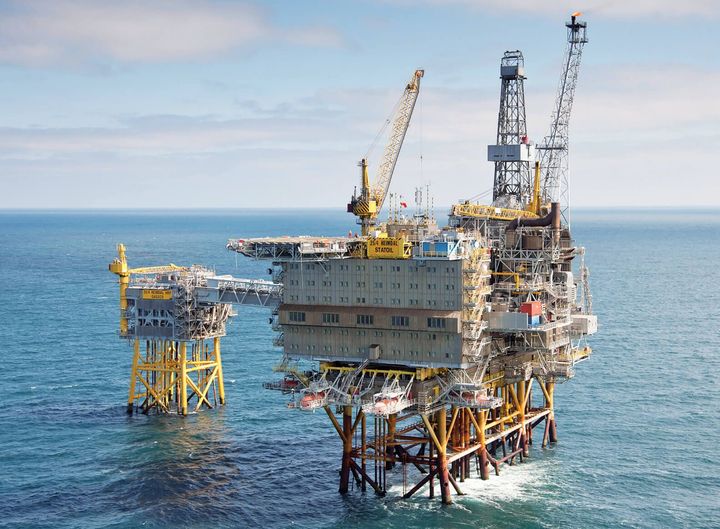
Offshore Equipment Manufacturing: Process, Systems & Technology
Offshore equipment manufacturing involves the engineering and production of specialized machinery, structures, components, and systems designed to operate in demanding marine environments.
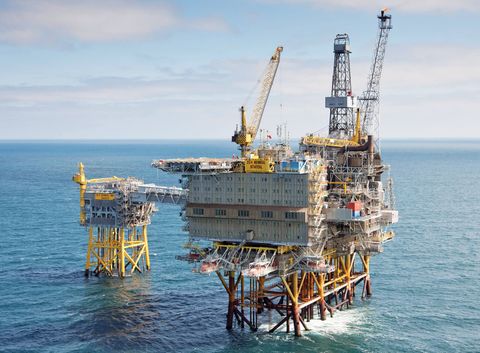
Offshore equipment may be used on fixed platforms, floating facilities, drilling units, subsea installations, offshore wind projects, and specialized vessels.
These environments expose equipment to saltwater, corrosion, high winds, waves, pressure, vibration, temperature changes, and demanding operational loads. As a result, manufacturers must consider structural integrity, material selection, precision fabrication, inspection, reliability, and applicable industry requirements throughout the production process.
What Is Offshore Equipment Manufacturing?
Offshore equipment manufacturing is the process of designing, fabricating, assembling, testing, and preparing equipment intended for offshore environments.
Depending on the application, equipment can include:
- Drilling systems
- Production equipment
- Subsea components
- Lifting systems
- Marine equipment
- Pressure-control equipment
- Platform structures
- Piping systems
- Fluid-handling equipment
- Offshore renewable-energy equipment
The manufacturing approach depends on the equipment's operating environment, loading conditions, materials, dimensions, and required performance.
Why Offshore Equipment Requires Specialized Manufacturing
Offshore installations operate under conditions that can be considerably more demanding than many land-based environments.
Equipment may experience:
- Saltwater exposure
- Corrosive atmospheres
- Wave and wind loading
- Continuous vibration
- High mechanical loads
- Pressure variations
- Temperature extremes
- Difficult maintenance access
Manufacturing therefore needs to account for the complete operating lifecycle rather than focusing only on initial equipment performance.
Major Types of Offshore Equipment
The offshore sector uses a broad range of equipment categories.
Offshore Drilling Equipment
Offshore drilling equipment supports the drilling of wells from fixed or floating facilities.
Examples can include:
- Drilling rigs
- Top drives
- Drawworks
- Mud systems
- Blowout preventers
- Drill-floor equipment
- Well-control systems
The exact configuration depends on the drilling unit, water depth, well design, and operational requirements.
Offshore Production Equipment
Offshore production equipment is used to process fluids produced from subsea wells.
Systems can include:
- Separators
- Pumps
- Compressors
- Heat exchangers
- Processing vessels
- Piping systems
- Valves
- Measurement systems
Equipment must be designed to handle the composition, pressure, temperature, and flow characteristics of the produced fluids.
Offshore Marine Equipment
Offshore marine equipment includes systems that support vessels, platforms, floating facilities, and marine operations.
Examples include:
- Deck machinery
- Winches
- Cranes
- Mooring systems
- Hydraulic equipment
- Marine pumps
- Navigation-related equipment
- Specialized handling systems
Subsea Equipment Manufacturing
Subsea equipment manufacturing focuses on components designed to operate underwater, sometimes at substantial depths and pressures.
Subsea systems can include:
- Subsea trees
- Manifolds
- Connectors
- Control systems
- Valves
- Umbilical components
- Pipeline equipment
- Subsea structures
Subsea Manufacturing Challenges
Underwater equipment must withstand hydrostatic pressure, corrosion, temperature changes, and difficult inspection and maintenance conditions.
Manufacturers therefore pay close attention to sealing systems, material compatibility, pressure ratings, fatigue performance, and corrosion protection.
Offshore Platform Equipment
Offshore platform equipment is designed to support the operational functions of fixed or floating offshore facilities.
A platform can contain equipment for:
- Drilling
- Production
- Power generation
- Fluid processing
- Water treatment
- Material handling
- Fire protection
- Utilities
- Communications
The equipment must be coordinated with the platform's structural, electrical, mechanical, and safety systems.
Offshore Lifting Equipment
Offshore lifting equipment is used to move personnel, machinery, containers, and other loads around marine facilities.
Examples include:
- Offshore cranes
- Winches
- Hoists
- Lifting frames
- Load-handling systems
- Specialized lifting tools
Lifting systems require careful engineering because loads can be affected by vessel or platform movement, wind, waves, and dynamic forces.
Offshore Equipment Manufacturing Process
The manufacturing process generally involves multiple engineering and production stages.
1. Requirements Definition
Manufacturers first establish the equipment's operating conditions, dimensions, load requirements, materials, performance requirements, and applicable specifications.
2. Engineering and Design
Engineers develop mechanical, structural, hydraulic, electrical, or integrated designs as required.
Computer-aided design and engineering software can be used to model components and evaluate potential loading conditions.
3. Material Selection
Materials must be selected for strength, corrosion resistance, temperature performance, pressure requirements, and compatibility with the operating environment.
Common materials can include:
- Carbon steel
- Stainless steel
- Duplex stainless steel
- Nickel alloys
- Aluminum alloys
- Specialized engineering polymers
4. Fabrication
Components may undergo processes such as:
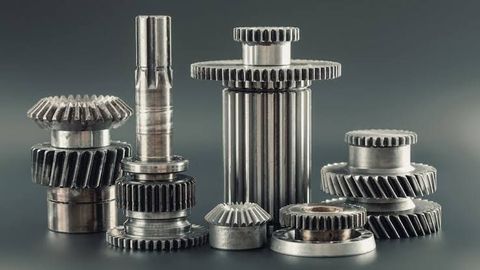
- CNC machining
- Welding
- Forging
- Casting
- Cutting
- Forming
- Heat treatment
- Surface finishing
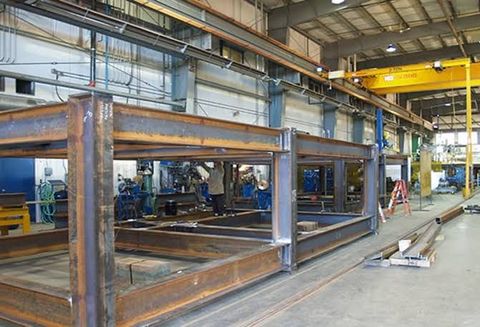
Large offshore structures may require specialized fabrication facilities and heavy handling capabilities.
5. Assembly
Individual components are assembled into complete equipment systems. Mechanical, hydraulic, electrical, and control components may be integrated during this stage.
6. Inspection and Testing
Testing can include dimensional inspection, non-destructive examination, pressure testing, load testing, functional testing, and other verification activities.
7. Final Preparation
Equipment may undergo protective coating, preservation, documentation review, packaging, and preparation for transportation and offshore installation.
Offshore Equipment Materials
Material selection is a major consideration in offshore engineering.
| Material | Typical Characteristics | Potential Applications |
|---|---|---|
| Carbon steel | Strong and widely used | Structures, piping |
| Stainless steel | Corrosion resistant | Process equipment |
| Duplex stainless steel | High strength and corrosion resistance | Subsea and process components |
| Nickel alloys | Strong corrosion resistance | Specialized equipment |
| Aluminum alloys | Lightweight | Selected marine structures |
| Engineering polymers | Application-specific properties | Seals and components |
The material must be appropriate for the actual environment rather than selected solely on initial mechanical properties.
Corrosion Protection
Corrosion is a major concern in offshore environments because saltwater and marine atmospheres can accelerate material degradation.
Manufacturers may use:
- Protective coatings
- Corrosion-resistant alloys
- Cathodic protection
- Surface treatments
- Corrosion-resistant fasteners
- Controlled material selection
Coating systems must be selected according to environmental exposure, temperature, immersion conditions, and expected operating life.
Quality Control in Offshore Manufacturing
Quality control is critical because equipment failures offshore can create significant operational and safety consequences.
Quality programs may include:
Welding Inspection
Welded components can be examined using appropriate non-destructive testing techniques such as radiographic, ultrasonic, magnetic-particle, or dye-penetrant inspection.
Dimensional Inspection
Precision measurement verifies that components meet engineering drawings and specified tolerances.
Pressure Testing
Pressure-containing components may undergo hydrostatic or other appropriate pressure tests.
Load Testing
Lifting equipment and structural components may require controlled load testing to verify performance against specified requirements.
Documentation
Manufacturing records can include material certificates, inspection reports, welding records, test results, and equipment documentation.
Offshore Equipment Systems and Automation
Modern offshore equipment systems increasingly incorporate automation and digital monitoring.
Examples include:
- Remote monitoring
- Condition monitoring
- Automated control systems
- Sensors
- Digital dashboards
- Predictive maintenance technologies
- Equipment data logging
Sensors can monitor variables such as temperature, pressure, vibration, flow, and equipment operating conditions.
This information can help operators identify changes in equipment behavior and plan maintenance activities.
Safety Considerations
Safety is fundamental to offshore equipment design and manufacturing.
Manufacturers may consider:
- Emergency shutdown systems
- Pressure protection
- Fire and gas detection
- Fail-safe mechanisms
- Equipment isolation
- Load monitoring
- Guarding
- Access requirements
- Hazardous-area requirements
Equipment intended for offshore facilities may also need to comply with relevant industry standards, classification requirements, and regulatory frameworks.
Offshore Engineering Equipment Standards
Requirements vary depending on equipment type, location, industry, and regulatory jurisdiction.
Applicable frameworks may involve organizations and standards associated with:
- Offshore structures
- Pressure equipment
- Lifting systems
- Welding
- Materials
- Subsea equipment
- Marine classification
- Electrical and hazardous-area systems
Manufacturers should identify the applicable requirements during the design phase rather than treating compliance as a final production activity.
Choosing Offshore Equipment Manufacturers
When evaluating offshore equipment manufacturers, technical capabilities and quality systems should both be considered.
Engineering Experience
Review experience with similar equipment, operating environments, and project requirements.
Fabrication Capabilities
Consider facility size, machining capabilities, welding capacity, heavy lifting, heat treatment, and surface finishing.
Testing Infrastructure
A capable manufacturer should have appropriate inspection and testing resources for the equipment being produced.
Material Expertise
Experience with corrosion-resistant alloys and offshore-grade materials can be important for demanding applications.
Documentation and Traceability
Manufacturing records and material traceability can be essential for offshore projects.
Common Challenges in Offshore Equipment Manufacturing
Corrosion
Marine exposure can accelerate degradation, requiring careful material and coating selection.
Large Equipment Dimensions
Large structures can require specialized fabrication facilities, cranes, transportation systems, and assembly areas.
Complex Supply Chains
Offshore projects often involve components from multiple suppliers, making coordination and traceability important.
Difficult Maintenance Conditions
Equipment should be designed with inspection, access, repair, and component replacement requirements in mind.
Environmental Loads
Wind, waves, currents, vibration, and platform movement can introduce dynamic loading that must be considered during engineering.
Offshore Equipment for Renewable Energy
Offshore equipment manufacturing is also expanding beyond conventional oil and gas applications.
Offshore wind projects require specialized systems such as:
- Turbine components
- Foundations
- Subsea cables
- Installation equipment
- Offshore substations
- Cable protection systems
- Marine lifting systems
The manufacturing principles remain similar: appropriate materials, structural integrity, corrosion protection, quality control, and reliable installation.
Frequently Asked Questions
What is offshore equipment manufacturing?
Offshore equipment manufacturing is the engineering, fabrication, assembly, testing, and preparation of machinery and components designed to operate in marine and offshore environments.
What equipment is used on offshore platforms?
Offshore platforms can use drilling systems, production equipment, pumps, compressors, separators, cranes, lifting systems, piping, power systems, safety equipment, and control systems.
What materials are used for offshore equipment?
Common materials include carbon steel, stainless steel, duplex stainless steel, nickel alloys, aluminum alloys, and specialized engineering polymers. Selection depends on operating conditions and performance requirements.
What is subsea equipment manufacturing?
Subsea equipment manufacturing involves producing components designed to operate underwater. These systems may include valves, manifolds, connectors, subsea trees, control systems, and pipeline-related components.
How do I choose offshore equipment manufacturers?
Evaluate engineering experience, manufacturing facilities, material expertise, testing capabilities, quality systems, regulatory knowledge, documentation, traceability, and experience with comparable offshore applications.
Conclusion
Offshore equipment manufacturing requires a combination of engineering expertise, specialized materials, precision fabrication, rigorous inspection, and environmental considerations. Equipment must be capable of operating reliably in conditions involving saltwater, corrosion, pressure, vibration, wind, waves, and dynamic loading.
From offshore drilling equipment and production systems to subsea components, marine machinery, lifting equipment, and renewable-energy systems, each application presents different technical requirements.
Manufacturers that integrate strong engineering, controlled fabrication, material traceability, testing, corrosion protection, automation, and applicable standards can create equipment better suited to demanding offshore environments. Careful equipment selection should therefore consider the complete operating lifecycle rather than specifications alone.