Ferrous Metal Manufacturing: Processes, Equipment & Applications
Ferrous metal manufacturing is a major part of the global metals industry and focuses primarily on materials containing iron.
Steel and cast iron are among the most widely used ferrous metals, supporting applications across construction, automotive, machinery, energy, infrastructure, and industrial production.
Modern ferrous metal production combines raw-material preparation, melting, refining, casting, forming, heat treatment, finishing, and quality inspection. Understanding these stages provides useful knowledge about how iron-based materials are transformed into components, sheets, bars, pipes, structural products, and other industrial forms.
What Is Ferrous Metal Manufacturing?
Ferrous metal manufacturing involves producing and processing metals in which iron is the primary constituent. Carbon and other alloying elements can be added or controlled to create materials with different mechanical and physical characteristics.
Common ferrous metals include:
- Carbon steel
- Stainless steel
- Alloy steel
- Cast iron
- Ductile iron
- Gray iron
- Tool steel
Different grades are developed for specific combinations of strength, hardness, corrosion resistance, ductility, wear resistance, and temperature performance.
Main Types of Ferrous Metals
Carbon Steel
Carbon steel contains iron and carbon, with the carbon level influencing properties such as hardness and strength. It is widely used for structural components, machinery, pipelines, automotive parts, and general industrial applications.
Stainless Steel
Stainless steel contains chromium and other alloying elements that provide enhanced corrosion resistance. It is frequently used in food processing, chemical equipment, medical environments, architectural applications, and industrial systems.
Alloy Steel
Alloy steels incorporate additional elements such as nickel, chromium, molybdenum, manganese, or vanadium. These additions can improve particular characteristics such as strength, toughness, hardenability, or resistance to demanding operating conditions.
Cast Iron
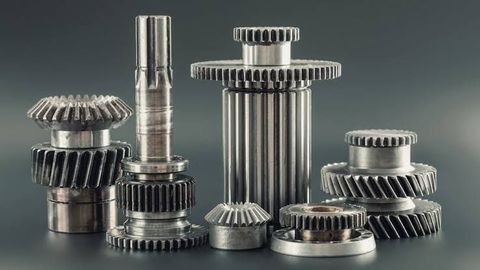
Cast iron contains relatively high carbon levels and is valued for properties such as castability, compressive strength, vibration damping, and wear resistance. It is used for machine bases, housings, engine components, pipes, and other engineered products.
Ferrous Metal Manufacturing Process
The ferrous metal manufacturing process can vary depending on the material and final product. However, large-scale production generally includes several interconnected stages.
1. Raw Material Preparation
Iron-bearing raw materials are prepared before entering the primary production process. Depending on the production route, materials may include iron ore, recycled steel scrap, pig iron, or other metallic inputs.
Preparation can involve:
- Crushing
- Screening
- Sorting
- Blending
- Pelletizing
- Scrap preparation
Proper raw-material preparation helps maintain consistent feed characteristics.
2. Melting
Metallic materials are heated until they reach the required molten state. Different furnaces and production routes are used depending on the material and facility.
Common furnace technologies include:
- Electric arc furnaces
- Induction furnaces
- Basic oxygen furnaces
- Cupola furnaces
Temperature control is critical because the molten metal must remain within an appropriate processing range.
3. Refining and Alloy Adjustment
During refining, manufacturers control unwanted elements and adjust the chemical composition of the molten metal. Alloying additions may be introduced to achieve the required material grade.
Modern production can use advanced monitoring systems to control:
- Carbon content
- Alloy composition
- Temperature
- Sulfur levels
- Phosphorus levels
- Dissolved gases
4. Casting
Molten metal is converted into solid semi-finished forms through casting. Continuous casting is widely used in steel production, while other casting techniques are used for specialized components and products.
Cast forms can include:
- Slabs
- Billets
- Blooms
- Ingots
- Near-net-shape components
5. Forming
After casting, ferrous materials can undergo mechanical forming processes to achieve the desired dimensions and geometry.
Common forming methods include:
- Hot rolling
- Cold rolling
- Forging
- Extrusion
- Drawing
- Press forming
The selected method depends on the material grade, product geometry, dimensional requirements, and desired mechanical characteristics.
Ferrous Metal Processing Equipment
Ferrous metal processing equipment varies throughout the production line.
| Equipment | Primary Function | Typical Application |
|---|---|---|
| Electric Arc Furnace | Melting | Steel production |
| Induction Furnace | Melting | Steel and iron production |
| Continuous Caster | Solidification | Slabs, billets, blooms |
| Rolling Mill | Material reduction | Sheets, bars, plates |
| Forging Press | Metal forming | Engineered components |
| Heat Treatment Furnace | Thermal processing | Property modification |
| Cutting Machine | Size reduction | Plates, bars, profiles |
| Shot Blasting System | Surface cleaning | Scale and surface preparation |
| CNC Machine | Precision machining | Finished components |
| Inspection Equipment | Quality control | Material verification |
Steel Manufacturing Equipment
Steel manufacturing equipment forms an integrated production system rather than a single machine. Large facilities may include furnaces, ladle systems, casting machines, rolling mills, cooling equipment, cutting systems, cranes, material-handling equipment, and inspection technologies.
Rolling mills are particularly important for converting semi-finished steel into usable forms such as:
- Steel plates
- Steel sheets
- Bars
- Rods
- Structural sections
- Rails
- Coils
Automation systems coordinate production parameters throughout these processes.
Heat Treatment in Ferrous Metal Manufacturing
Heat treatment changes the internal structure and properties of ferrous metals without necessarily changing their overall shape.
Common processes include:
- Annealing
- Normalizing
- Quenching
- Tempering
- Case hardening
- Stress relieving
For example, quenching can increase hardness, while tempering can help balance hardness and toughness.
Precise temperature control, heating time, cooling rate, and atmosphere are important for achieving consistent results.
Ferrous Metal Fabrication
Ferrous metal fabrication converts processed metal into components and assemblies. Fabrication can involve cutting, bending, welding, drilling, machining, and surface preparation.
Common fabrication operations include:
- Laser cutting
- Plasma cutting
- Saw cutting
- Press braking
- Welding
- Drilling
- CNC machining
- Grinding
The fabrication process depends on the product design and material characteristics.
Quality Control in Ferrous Metal Production
Quality control is essential because small changes in chemical composition, temperature, processing conditions, or dimensions can influence final material performance.
Manufacturers may conduct:
- Chemical composition analysis
- Dimensional inspection
- Hardness testing
- Tensile testing
- Impact testing
- Ultrasonic testing
- Magnetic particle inspection
- Visual inspection
- Metallographic analysis
Non-destructive testing methods can identify internal or surface discontinuities without necessarily damaging the component.
Automation in Ferrous Metal Manufacturing
Industrial ferrous metal manufacturing increasingly uses automation to improve process monitoring and production consistency.
Automation technologies can include:
- Programmable logic controllers
- Industrial robots
- Machine vision
- Temperature sensors
- Automated material handling
- Digital furnace controls
- Process monitoring systems
- Automated inspection
- Production data platforms
Robotic systems can perform repetitive activities such as material handling, welding, inspection, and component positioning.
Applications of Ferrous Metals
Ferrous metals are used across numerous industries because different grades can provide combinations of strength, durability, machinability, and other useful characteristics.
Major applications include:
- Building structures
- Bridges
- Automotive components
- Railway infrastructure
- Heavy machinery
- Industrial equipment
- Pipelines
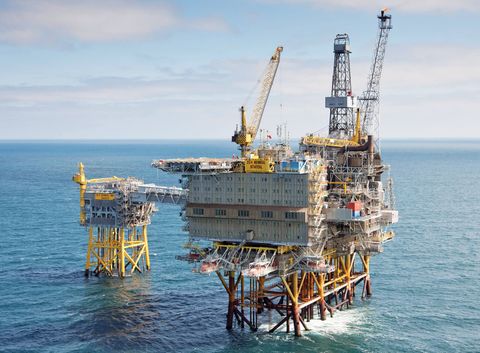
- Energy infrastructure
- Agricultural machinery
- Tools and dies
- Storage systems
- Construction equipment
Material selection depends on the mechanical loads, operating environment, temperature, corrosion exposure, and manufacturing method involved.
Environmental Considerations
Ferrous metal production can involve substantial energy and material requirements. Modern facilities increasingly focus on reducing emissions, improving energy efficiency, increasing recycled-metal utilization, and recovering process heat.
Electric arc furnace production can incorporate significant quantities of recycled steel, depending on the production route and available feedstock.
Other improvement strategies include:
- Energy-efficient furnace systems
- Heat recovery
- Process optimization
- Improved material utilization
- Scrap recycling
- Water recycling
- Emission-control technologies
The environmental profile varies considerably according to the production technology, energy source, raw materials, and facility configuration.
How to Evaluate Ferrous Metal Manufacturers
When evaluating ferrous metal manufacturers, several technical factors should be considered.
Material Capabilities
Review the grades, dimensions, alloy systems, and product forms supported by the manufacturer. Different facilities specialize in different material categories and production methods.
Production Technology
Consider the manufacturer's furnace, casting, forming, machining, and finishing technologies. Modern equipment can provide greater process control and repeatability.
Quality Systems
Quality-control capabilities should match the requirements of the intended application. Testing laboratories, inspection systems, certifications, and traceability procedures can be important evaluation factors.
Production Capacity
Production capacity should align with project requirements and expected material volumes. Facilities should also have appropriate material-handling and storage infrastructure.
Customization
Some industrial applications require specific dimensions, material grades, heat treatments, or surface finishes. Manufacturers with flexible processing capabilities may be better suited to specialized requirements.
Common Challenges in Ferrous Metal Manufacturing
High Processing Temperatures
Melting and thermal processing require careful temperature control and specialized equipment capable of operating under extreme conditions.
Material Consistency
Maintaining consistent chemical composition and mechanical properties requires precise control from raw-material preparation through final processing.
Surface Quality
Oxidation, scale, inclusions, and other surface conditions can affect downstream processing and final product quality.
Equipment Wear
Furnaces, rolls, cutting tools, molds, and other equipment operate under demanding conditions and require appropriate inspection and maintenance programs.
Energy Management
Melting and thermal treatment can require significant energy. Process optimization and efficient equipment are therefore important considerations.
Frequently Asked Questions
What is ferrous metal manufacturing?
Ferrous metal manufacturing is the production and processing of iron-based metals such as carbon steel, stainless steel, alloy steel, and cast iron.
What equipment is used in ferrous metal production?
Common equipment includes electric arc furnaces, induction furnaces, casting machines, rolling mills, forging presses, heat-treatment furnaces, cutting systems, and inspection equipment.
What is the difference between steel and cast iron?
Both are iron-based materials, but they differ mainly in composition and processing characteristics. Steel generally has a lower carbon content, while cast iron typically contains more carbon and has different casting and mechanical properties.
Why is heat treatment used for ferrous metals?
Heat treatment can modify mechanical properties such as hardness, strength, toughness, and ductility by controlling heating and cooling conditions.
Where are ferrous metals used?
Ferrous metals are widely used in construction, automotive manufacturing, machinery, railways, infrastructure, energy systems, tools, pipelines, and industrial equipment.
Conclusion
Ferrous metal manufacturing combines metallurgy, thermal processing, casting, forming, fabrication, machining, and quality-control technologies. Steel, cast iron, and other iron-based materials can be engineered into products ranging from structural sections and plates to precision industrial components.
Modern ferrous metal production increasingly incorporates automation, digital process monitoring, advanced inspection systems, recycling technologies, and energy-efficiency measures. Understanding the complete production chain can help businesses evaluate materials, manufacturing technologies, equipment capabilities, and quality requirements for different industrial applications.