Road Rollers: Discover Compaction Technology and Modern Road Construction Equipment
Road rollers are heavy construction machines used to compact soil, asphalt, gravel, and other road-building materials. They apply pressure, vibration, or oscillation to improve material density and surface uniformity. Modern road rollers use advanced compaction controls, monitoring systems, and operator technologies to support road construction, pavement preparation, and infrastructure development.
Road Rollers: Discover Compaction Technology and Modern Road Construction Equipment
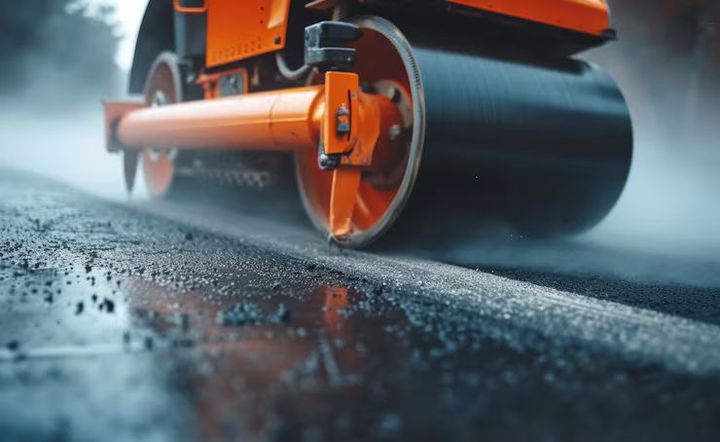
Road rollers are specialized construction machines used to compact materials during road building and other infrastructure projects. They apply pressure, vibration, or oscillation to materials such as asphalt, soil, gravel, and aggregate so that the prepared surface reaches the required density and stability.
Compaction is an important stage in road construction. Before a pavement can support traffic, the underlying soil, aggregate layers, and asphalt must be prepared according to project specifications. Road rollers provide controlled mechanical action that helps reduce air spaces within the material and creates a more stable surface.
Different road rollers are designed for different materials and working conditions. Smooth drum rollers, vibratory rollers, pneumatic tire rollers, and combination rollers each use different methods to interact with the surface. Machine selection depends on the material, layer thickness, site conditions, required compaction pattern, and project specifications.
Modern road rollers increasingly incorporate electronic controls, sensors, compaction monitoring, operator displays, and data systems. These technologies can help operators understand machine performance and maintain a more consistent compaction process.
Context
A road roller combines a heavy machine frame with one or more drums or tires that apply mechanical force to the surface. The machine moves repeatedly across a designated area according to a planned compaction pattern.
Main Components
The drum is one of the most recognizable components of a road roller. Depending on the machine type, it may be smooth, padded, or configured with other surface patterns.
Hydraulic systems, engines, vibration mechanisms, water systems, control panels, and operator stations support the machine's movement and compaction functions.
| Component | Main Function |
|---|---|
| Drum | Applies mechanical force to the surface |
| Vibratory system | Produces controlled vibration for compaction |
| Hydraulic system | Supports movement and machine functions |
| Water spray system | Helps manage asphalt adhesion to drums |
| Engine | Provides machine power |
| Operator station | Provides controls and visibility |
| Control system | Manages operating parameters |
| Compaction sensors | Monitor selected compaction conditions |
| Tires | Provide pressure and mobility on pneumatic rollers |
| Frame | Supports the main machine systems |
How Road Rollers Work
A road roller moves across a prepared layer while its drum or tires apply force to the material. Depending on the roller configuration, the force can come from the machine's weight, vibration, tire pressure, or a combination of these actions.
Vibratory rollers generate controlled oscillations through an internal vibration mechanism. These forces help particles within the material rearrange and move closer together.
Operators generally make multiple passes over a defined area. The number of passes and machine settings depend on the material and project requirements.
Main Types of Road Rollers
Smooth drum rollers use smooth cylindrical drums and are commonly associated with asphalt and granular material compaction.
Vibratory rollers use vibration in addition to static machine weight. They can be used for soil, aggregate, and asphalt applications depending on the machine configuration.
Pneumatic tire rollers use multiple rubber tires to apply pressure over the surface. Their tire configuration and pressure can be adjusted according to the application and machine design.
Padfoot or tamping rollers have drums with raised feet or pads. They are commonly used for cohesive soils where the drum pattern helps knead and compact the material.
Combination rollers use different compaction elements on the front and rear, such as a drum and pneumatic tires.
Importance
Road rollers are important because adequate compaction contributes to the structural performance and surface quality of roads and other paved areas.
Soil Compaction
Before pavement layers are placed, the underlying soil may need to be compacted. Proper compaction can increase material density and reduce unwanted movement under future loads.
Different soil types respond differently to compaction. Cohesive soils, granular soils, and mixed materials may require different equipment and operating methods.
Aggregate Layer Preparation
Road foundations often include layers of crushed stone or other granular materials. Rollers help consolidate these layers and establish a stable foundation for subsequent construction stages.
The selected roller and compaction method depend on aggregate characteristics, layer thickness, moisture conditions, and project specifications.
Asphalt Compaction
After asphalt is placed by a paving machine, rollers compact the hot mixture. Timing is important because asphalt temperature changes as the material cools.
Roller sequencing, machine speed, vibration settings, and the number of passes can influence the resulting pavement condition. Construction teams normally follow an established compaction plan.
Surface Uniformity
Controlled roller movement can help produce a more uniform surface. Operators need to maintain suitable overlap between passes and avoid unnecessary stops or abrupt changes in direction.
Consistent operation becomes particularly important on large road sections where variations in compaction patterns can create differences across the paved area.
Infrastructure Applications
Road rollers are used for more than highways. They can be involved in streets, parking areas, airport surfaces, industrial yards, embankments, foundations, and other civil construction activities.
Their application depends on the material being compacted and the required surface characteristics.
Recent Updates
From 2024 through 2026, developments in road roller technology have continued to emphasize automation, intelligent compaction, monitoring, operator assistance, and improved equipment control.
Intelligent Compaction
Intelligent compaction systems can combine machine sensors, positioning information, and compaction measurements. These systems may help operators understand where the machine has traveled and how the material is responding to repeated passes.
Some systems can display compaction-related information directly to the operator, providing a visual reference during the work.
Machine Control Systems
Electronic control systems can manage vibration frequency, amplitude, travel speed, and other operating parameters depending on the machine.
Automated or assisted control can help maintain selected operating settings as conditions change across a construction area.
Position Monitoring
Satellite-based positioning and other location technologies can be integrated into construction equipment. Position information can help track roller passes and identify areas that may require additional attention.
Digital mapping can also support documentation of the completed compaction pattern.
Operator Displays
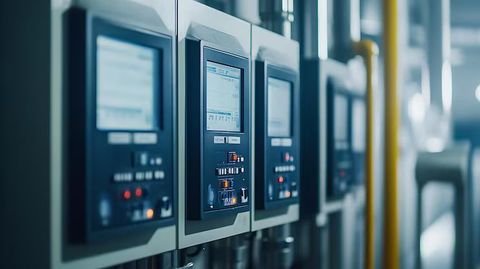
Modern operator interfaces can provide information about engine conditions, vibration settings, machine speed, warnings, and other parameters.
Clearer displays can help operators monitor equipment without relying entirely on manual observation.
Automation and Connectivity
Connected machines can transmit selected operating data to project or fleet-monitoring platforms. Depending on the system, this information may include machine location, operating hours, diagnostic information, and compaction-related data.
Automation remains dependent on the machine configuration and project requirements. Operators continue to play an important role in assessing changing ground and material conditions.
Energy and Emissions Management
Manufacturers have continued to develop machine systems that manage engine output and hydraulic functions more efficiently. Electronic engine controls and operating modes can help align machine performance with the work being performed.
Hybrid or alternative power technologies may also appear in some construction equipment applications as the industry explores different approaches to reducing fuel consumption and emissions.
Laws or Policies
Road roller operations are subject to workplace safety, construction, environmental, and transportation requirements that differ between countries and project locations.
Workplace Safety
Road rollers are heavy mobile machines with limited visibility around certain areas. Construction sites therefore require defined movement zones, communication procedures, and precautions for workers operating near the equipment.
Operators should complete the appropriate training and follow machine-specific instructions. Personnel should remain outside designated equipment operating areas unless their presence is necessary and controlled.
Vibration Safety
Vibratory rollers generate mechanical vibration that affects both the machine and the surrounding material. Operators should use the vibration settings specified for the application and follow equipment instructions.
Construction teams also need to consider nearby structures and underground infrastructure where vibration could create site-specific risks.
Traffic Management
Road construction frequently takes place near public traffic. Temporary traffic-control arrangements may include barriers, warning signs, lane restrictions, lighting, and designated equipment routes.
The applicable requirements depend on the road authority and project location.
Environmental Requirements
Construction projects can generate dust, noise, exhaust emissions, and other environmental impacts. Local regulations may establish requirements for operating hours, emissions, noise levels, and site management.
Water used in drum spray systems and equipment cleaning should also be managed appropriately.
Equipment Inspection
Heavy equipment generally requires routine inspection and maintenance. Checks may include brakes, steering, tires, drums, hydraulic systems, lights, alarms, vibration components, and other safety-related systems.
Specific inspection requirements depend on the jurisdiction, equipment type, and project rules.
Tools and Resources
Several tools and resources support road roller operation, compaction monitoring, inspection, and maintenance.
Compaction Measurement Systems
Compaction measurement technologies can provide information about machine response and surface conditions. These systems may use accelerometers, sensors, positioning equipment, and onboard processing.
The available measurements vary between machines and technology platforms.
Positioning Systems
Satellite positioning and machine-control systems can help construction teams track roller movement across the work area. Digital maps can show completed passes and support documentation.
Moisture Measurement
Moisture is an important factor in soil and aggregate compaction. Portable or integrated moisture measurement equipment can provide information about material conditions.
The appropriate moisture range depends on the material and project specifications.
Surface Testing Equipment
Construction teams may use density gauges, core sampling, surface profile equipment, or other testing methods to evaluate the completed layer.
Testing requirements are determined by the project specification and applicable construction standards.
Maintenance Tools
Routine maintenance can involve lubrication equipment, inspection tools, hydraulic-system checks, tire-pressure equipment, and diagnostic systems.
Manufacturer documentation provides specific inspection intervals and procedures for individual machines.
Compaction Documentation
Digital records can document roller passes, machine settings, locations, and selected compaction measurements. Such records can support quality-control activities and project reporting.
FAQs
What are road rollers used for?
Road rollers are used to compact soil, aggregate, asphalt, and other construction materials. They are commonly used during road building, pavement construction, site preparation, and infrastructure projects.
How do road rollers compact materials?
Road rollers use machine weight, drum pressure, vibration, oscillation, tire pressure, or combinations of these forces. Repeated passes help particles within the material become more densely arranged.
What are the main types of road rollers?
Common types include smooth drum rollers, vibratory rollers, pneumatic tire rollers, padfoot rollers, and combination rollers. Each type is suited to particular materials and construction conditions.
Why is vibration important in road rollers?
Vibration creates controlled mechanical forces that can improve compaction of suitable materials. Operators select vibration settings according to the material, layer, machine configuration, and project requirements.
What technologies are used in modern road rollers?
Modern road rollers can incorporate intelligent compaction systems, sensors, positioning technology, digital displays, automated controls, and connected monitoring systems. The available technologies vary by machine.
Conclusion
Road rollers are essential compaction machines used across road construction and infrastructure projects. Their drums, tires, vibration systems, hydraulic components, and control systems work together to apply controlled mechanical forces to soil, aggregate, and asphalt.
Modern road rollers increasingly use intelligent compaction, sensors, positioning systems, and digital monitoring to provide greater visibility into machine operation and compaction activities. Safe operation, appropriate machine selection, suitable compaction patterns, material conditions, routine inspection, and compliance with project requirements remain important for successful construction operations.