Power Transformers: Guide to Types, Components, and Practical Insights
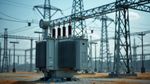
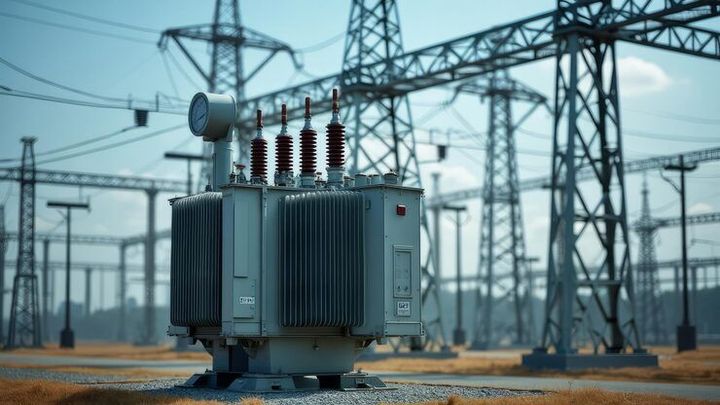
Power Transformers are electrical machines used to transfer electrical energy between circuits while changing voltage levels. They normally operate through electromagnetic induction and are essential for moving electricity efficiently between generating stations, transmission networks, and distribution systems.
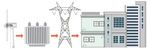
Electricity is often generated at one voltage, transmitted at a much higher voltage, and then reduced to suitable levels before reaching homes, businesses, factories, and other facilities. Power transformers perform many of these voltage conversion functions while maintaining the electrical frequency.
A transformer does not normally generate electricity. Instead, it transfers energy between electrical circuits and changes voltage and current according to the requirements of the power system.
How Power Transformers Work
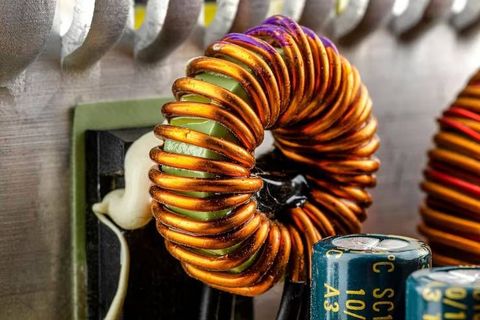
A transformer generally contains two or more windings positioned around a magnetic core. When alternating current flows through the primary winding, it produces a changing magnetic field in the core. This changing magnetic field induces voltage in the secondary winding.
The voltage relationship depends largely on the ratio of turns between the windings. A winding with more turns generally produces a higher voltage than a winding with fewer turns, subject to the transformer's design and operating conditions.
The basic process can be described as:
Input: Electrical energy enters the primary winding.
Magnetic transfer: Alternating current creates a changing magnetic field.
Induction: The magnetic field induces voltage in another winding.
Voltage transformation: The winding arrangement determines the voltage relationship.
Output: Electrical energy leaves the secondary side at the required voltage level.
Where Power Transformers Are Used
Power transformers are found throughout electricity infrastructure. Typical locations include:
Generating stations
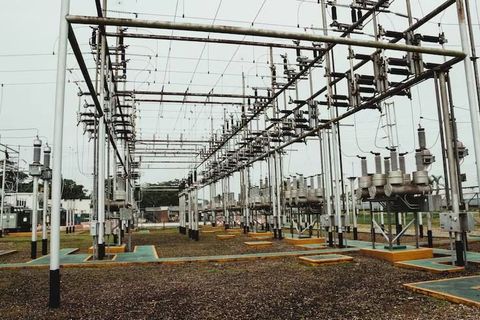
Transmission substations
Grid interconnection facilities
Industrial power systems
Renewable-energy installations
Large commercial electrical facilities
Utility substations
Data-center power infrastructure
Their ratings and designs vary according to voltage, power capacity, installation environment, cooling requirements, insulation system, and operating conditions.
Power Transformer and Distribution Transformer
Power transformers and distribution transformers both change voltage, but they are commonly used at different stages of the electrical network.
Power transformers are generally associated with higher-voltage, higher-capacity transmission and grid applications. Distribution transformers are normally positioned closer to electricity consumers and reduce voltage to levels appropriate for local distribution.
The distinction can vary between regions and industry practices, so transformer classification is not based on a single worldwide rating boundary.
Importance
Supporting Electricity Transmission
Electricity transmission over long distances generally uses high voltages to reduce current for a given power transfer. Lower current can reduce resistive losses in transmission conductors.
Power transformers make it possible to increase voltage for transmission and reduce it at appropriate points in the network.
Connecting Different Voltage Levels
Electrical grids contain multiple voltage levels because generation, transmission, subtransmission, distribution, and end-use equipment have different requirements.
Transformers provide the electrical connection between these levels while maintaining the required system characteristics.
Supporting Grid Reliability
A transformer is a critical component of many substations. If a major transformer becomes unavailable, the surrounding network may need to transfer its electrical load to other equipment or use alternative operating arrangements.
For this reason, transformer condition, loading, cooling, insulation, protection, and maintenance are important parts of power-system management.
Supporting Renewable Energy
Solar farms, wind farms, battery-energy-storage facilities, and other renewable-energy projects use transformers to connect electrical equipment to collection systems and power grids.
The transformer design depends on factors such as generation capacity, grid voltage, power quality requirements, environmental conditions, and the configuration of the renewable-energy facility.
Supporting Industrial Power Systems
Large industrial facilities can require substantial electrical capacity at voltage levels that differ from the utility supply. Transformers can provide the required voltage conversion for motors, production equipment, electrical panels, and other systems.
Industrial applications can also require specialized transformer designs because of harmonics, frequent load changes, environmental conditions, or particular process requirements.
Main Transformer Categories
| Transformer Type | Main Function | Common Application |
|---|---|---|
| Step-up transformer | Raises voltage | Generation and transmission |
| Step-down transformer | Reduces voltage | Substations and distribution |
| Autotransformer | Uses a shared winding arrangement | Grid voltage conversion |
| Three-phase transformer | Handles three-phase power | Utility and industrial networks |
| Generator transformer | Connects generators to grids | Power stations |
| Furnace transformer | Supplies specialized industrial loads | Metallurgy and processing |
| Converter transformer | Interfaces with power-conversion systems | HVDC and industrial systems |
| Dry-type transformer | Uses solid insulation rather than liquid insulation | Buildings and selected industrial areas |
Recent Updates
Grid Expansion and Electrification
Electricity networks are undergoing significant changes as demand grows from data centers, electric vehicles, industrial electrification, heat pumps, renewable generation, and other electrical technologies.
This creates additional requirements for transformers at generation, transmission, distribution, and industrial levels. Aging grid infrastructure is also encouraging utilities to replace or upgrade equipment.
Renewable Energy Integration
The expansion of solar and wind generation is increasing the need for electrical infrastructure that can connect variable renewable generation to transmission and distribution networks.
Transformers used in renewable-energy facilities may need to operate with changing power flows and different operating conditions from conventional generation systems.
Digital Monitoring
Modern transformers can incorporate sensors and monitoring equipment that measure parameters such as temperature, dissolved gases, moisture, load, bushing condition, and other operating characteristics.
Digital monitoring can provide information about transformer condition and help operators identify unusual changes before they develop into major equipment problems.
Online Condition Assessment
Online monitoring systems allow selected transformer parameters to be observed while equipment remains energized.
Dissolved gas analysis is one established technique for oil-filled transformers. Changes in dissolved gases can provide information about certain internal electrical or thermal conditions, although interpretation requires appropriate technical expertise.
Advanced Transformer Materials
Research and industrial development continues around improved magnetic materials, insulation systems, conductors, cooling arrangements, and transformer fluids.
Some transformer designs use ester-based insulating liquids rather than conventional mineral oil. These alternatives can have different fire, environmental, and operating characteristics, so their suitability depends on the application and applicable standards.
Compact and High-Capacity Grid Equipment
Growing electricity demand and constrained substation locations are increasing interest in transformer designs that provide high electrical capacity within practical physical dimensions.
Modern engineering can combine improved materials, cooling systems, insulation coordination, and monitoring technologies to address these requirements.
Digital Substations
Transformers are increasingly integrated with digital substations containing intelligent electronic devices, communication networks, sensors, protection systems, and automated monitoring.
This can allow operators to receive more information about equipment condition and network behavior while supporting faster analysis of electrical events.
Laws or Policies
International Standards
Power transformers are designed and tested according to national and international standards. The IEC 60076 series is one of the major international standards families for power transformers.
Different parts of the series address subjects including general requirements, temperature rise, insulation levels, short-circuit capability, sound levels, loading, and specialized transformer types.
The exact standards applicable to a transformer depend on its design, location, voltage class, application, and jurisdiction.
IEEE Standards
IEEE standards are also widely referenced in transformer engineering, particularly in North America and in international projects that adopt IEEE-based technical requirements.
IEEE standards address areas such as transformer testing, application, insulation coordination, loading, protection, and maintenance.
Grid Codes
Electricity generators and large electrical facilities must often comply with grid codes established by national or regional authorities. These rules can specify requirements related to voltage control, reactive power, fault response, protection, frequency behavior, and grid connection.
Transformer specifications may therefore be influenced by the requirements of the network to which the equipment will be connected.
Environmental Requirements
Transformer installations can involve insulating liquids, noise, fire risks, land use, and electrical hazards. Environmental and safety requirements therefore vary according to the location and transformer design.
Oil-filled transformers may require containment arrangements to manage potential liquid leakage. Fire protection requirements can also influence transformer placement and enclosure design.
Testing and Compliance
Transformers normally undergo factory testing before being placed into operation. Tests can examine electrical characteristics, insulation performance, losses, temperature behavior, mechanical characteristics, and other parameters.
Routine and type tests are defined by applicable technical standards. Additional testing may be required by utilities, grid operators, project specifications, or national regulations.
Tools and Resources
Transformer Monitoring Systems
Monitoring systems can collect information from temperature sensors, oil sensors, bushing monitors, load measurements, and other devices.
These systems can provide operators with ongoing information about transformer operating conditions.
Transformer Oil Analysis
For oil-filled transformers, laboratory analysis can examine characteristics such as moisture, dielectric strength, acidity, and dissolved gases.
Results can help engineers assess insulation condition and investigate unusual operating behavior.
Thermal Monitoring
Temperature monitoring is important because transformer insulation life is influenced by thermal conditions. Sensors can monitor oil and winding temperatures, while cooling systems help remove heat.
Load Monitoring
Load data can show how heavily a transformer is being used over time. This information can help engineers examine loading patterns, temperature behavior, and network requirements.
Protection Systems
Transformers are commonly protected by equipment such as differential relays, overcurrent protection, Buchholz relays on applicable oil-filled designs, pressure-related protection, temperature monitoring, and other protective devices.
Protection arrangements vary according to transformer design and system configuration.
Technical Standards Databases
Organizations working with transformers can consult international standards organizations, national standards bodies, utility specifications, testing laboratories, and engineering publications.
Relevant references can include IEC transformer standards, IEEE publications, national grid codes, manufacturer technical documentation, and utility interconnection requirements.
FAQs
What are Power Transformers?
Power Transformers are electrical machines that transfer electrical energy between circuits while changing voltage levels. They are widely used in generation, transmission, substations, industrial facilities, and renewable-energy systems.
How do Power Transformers work?
Power Transformers use electromagnetic induction. Alternating current in one winding creates a changing magnetic field in the core, which induces voltage in another winding.
What are the main types of Power Transformers?
Common types include step-up transformers, step-down transformers, three-phase transformers, generator transformers, autotransformers, converter transformers, furnace transformers, and dry-type transformers.
Why are Power Transformers important for electricity grids?
Power Transformers allow electrical networks to connect different voltage levels. They support long-distance transmission, grid interconnections, industrial electrical systems, and the connection of generation facilities.
What standards apply to Power Transformers?
The IEC 60076 series is a major international reference for power transformer design and testing. IEEE standards and national requirements may also apply depending on the location, application, and project specifications.
Conclusion
Power Transformers are fundamental components of modern electrical networks because they enable electricity to move between different voltage levels. Their construction commonly includes magnetic cores, windings, insulation systems, cooling arrangements, bushings, monitoring equipment, and protective systems. Current developments include digital monitoring, renewable-energy integration, advanced insulating materials, and increasingly connected substations. Understanding transformer types, components, operating principles, standards, and monitoring methods provides useful context for the infrastructure that supports modern electricity systems.