Plastic Shredders: Insights Into Modern Plastic Processing
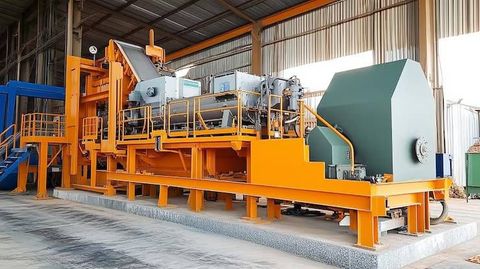
Plastic shredders are industrial machines designed to reduce large plastic materials into smaller, more manageable pieces. They are commonly used as an initial size-reduction stage in plastic recycling, waste processing, manufacturing, and material recovery operations. Depending on the machine design, a shredder can process items such as plastic containers, pipes, films, sheets, packaging materials, production scrap, and bulky plastic components.
Modern plastic shredders are available in different configurations based on material characteristics and processing requirements. Single-shaft, double-shaft, and four-shaft designs are among the common configurations used in industrial applications. Each design uses different cutting arrangements and operating principles to achieve the required material reduction.
Plastic shredding is generally one part of a larger recycling process. After shredding, the material may move through granulation, sorting, washing, drying, extrusion, filtration, and pelletizing stages. The final configuration depends on the polymer type and the intended recycled material.
What Is a Plastic Shredder?
A plastic shredder is a mechanical size-reduction machine that uses rotating cutting elements to break plastic materials into smaller pieces. Unlike equipment designed mainly for fine grinding, shredders are often intended to handle larger and more irregular feedstock.
A typical industrial plastic shredder contains several major components:
- Feed hopper
- Cutting chamber
- Rotor or rotating shafts
- Cutting blades
- Fixed counter knives
- Drive motor
- Gearbox or transmission
- Machine frame
- Discharge section
- Control system
The cutting mechanism applies shear, tearing, and compression forces to the incoming plastic. The resulting particle size depends on blade geometry, rotor configuration, screen design, material properties, and operating conditions.
Types of Plastic Shredders
Different shredder configurations are used for different material streams.
Single-shaft shredders generally use one rotating rotor with cutting tools positioned against fixed knives. A hydraulic or mechanical feeding system may push material toward the cutting chamber.
Double-shaft shredders use two counter-rotating shafts. Their configuration can provide strong tearing and shearing action for bulky or difficult materials.
Four-shaft shredders use multiple cutting shafts and can provide controlled size reduction through several cutting stages.
Specialized film shredders are designed around the characteristics of thin and flexible plastic. Films can behave differently from rigid plastics because they may fold, stretch, or wrap around rotating components.
Importance
Plastic shredders play an important role in preparing waste and production scrap for subsequent processing. Large plastic objects can be difficult to transport, sort, wash, or feed directly into downstream equipment. Size reduction makes the material easier to handle and process.
Preparing Plastic for Recycling
In a recycling line, shredding can be an early processing stage. Large containers, pipes, industrial components, and other plastic materials can be reduced into smaller pieces before additional treatment.
A simplified recycling sequence can look like this:
Plastic waste → Sorting → Shredding → Granulation → Washing → Drying → Extrusion → Filtration → Pelletizing
Not every recycling facility follows this exact sequence. Some materials may require additional sorting before shredding, while others may move directly from shredding into another processing stage.
Handling Different Plastic Materials
Plastic materials have different mechanical properties, so shredder selection depends on the feedstock.
| Plastic Material | Typical Characteristics | Processing Consideration |
|---|---|---|
| PET | Rigid and relatively hard | Strong cutting system |
| HDPE | Tough and durable | Robust cutting arrangement |
| LDPE | Flexible and lightweight | Feeding and anti-wrapping design |
| PP | Tough and relatively lightweight | Controlled cutting |
| PVC | Rigid or flexible | Material-specific processing |
| Plastic films | Thin and flexible | Specialized feeding |
| Pipes | Large and rigid | High mechanical loading |
| Industrial scrap | Variable shapes | Flexible feed handling |
Material contamination also affects the process. Metal pieces, stones, excessive dirt, and other foreign materials can create mechanical stress and may require separation before shredding.
Supporting Material Recovery
Shredding does not itself complete plastic recycling. Instead, it prepares the material for additional processes.
After size reduction, plastic flakes or pieces can be sorted according to polymer type, color, density, or other characteristics. Washing can then remove contaminants, while drying prepares the material for further thermal processing.
This makes the plastic shredder an important part of an integrated plastic recycling system rather than an isolated piece of equipment.
Particle Size Control
Particle size is an important consideration in plastic processing. Larger shredded pieces may require additional granulation before extrusion, while some applications can work with a coarser feedstock.
Screen systems, blade arrangement, rotor speed, and cutting chamber design influence the resulting size distribution. Consistent particle dimensions can help improve material feeding into downstream equipment.
Recent Updates
Modern plastic shredding technology increasingly focuses on automation, energy management, safety systems, monitoring, and improved handling of difficult waste streams.
Automated Feeding Systems
Automatic feeding systems can regulate the movement of plastic into the cutting chamber. This can help maintain a more consistent material flow and reduce sudden loading variations.
Hydraulic pushers, conveyors, sensors, and controlled feeding mechanisms may be integrated into larger recycling systems. The appropriate arrangement depends on the material and overall processing line.
Intelligent Monitoring
Digital monitoring is becoming more common in industrial recycling equipment. Sensors can track variables such as motor load, temperature, hydraulic pressure, vibration, and operating status.
Control systems can use these measurements to identify abnormal operating conditions. Monitoring can also provide information for maintenance planning and process analysis.
Energy Management
Energy consumption is an important consideration for plastic processing equipment. Shredding requires mechanical power to overcome the resistance of the material.
Modern systems may incorporate variable-speed drives, optimized motor configurations, automatic load management, and control strategies designed around the feedstock. These technologies can help match machine operation with changing material loads.
Blade Technology
Cutting tools are another area of continuing development. Blade geometry, material selection, hardness, and cutting-edge configuration influence shredding behavior and maintenance requirements.
Different plastics can require different cutting approaches. A blade arrangement suitable for rigid containers may not perform in the same way when processing thin films or highly flexible materials.
Safety and Automation
Industrial plastic shredders incorporate safety features intended to reduce risks around moving machinery. Emergency-stop systems, access-door interlocks, guards, sensors, and controlled startup procedures can form part of a machine's safety architecture.
Automated systems can also reduce the need for direct operator interaction with the cutting chamber during normal operation.
Laws or Policies
Plastic shredding and recycling activities can fall within broader waste-management and environmental regulations. In India, the Plastic Waste Management Rules, 2016 establish a regulatory framework for plastic waste management, with subsequent amendments and related guidelines adding further requirements.
The framework involves responsibilities for different participants in the plastic packaging chain and includes provisions associated with collection, processing, recycling, and extended producer responsibility.
Extended Producer Responsibility
Extended Producer Responsibility, commonly known as EPR, creates obligations for specified producers, importers, and brand owners concerning plastic packaging.
Plastic waste processors can form part of the recycling infrastructure supporting these requirements. Documentation of processed material and reporting can therefore become important aspects of regulated plastic waste processing.
Plastic Waste Processor Requirements
Plastic waste processors operating under India's EPR framework are subject to registration requirements through the applicable regulatory system. Relevant authorities can include the Central Pollution Control Board and State Pollution Control Boards or Pollution Control Committees, depending on the applicable framework.
Facilities should examine the rules and regulatory guidance applicable to their specific activity, location, waste category, and processing method.
Environmental Considerations
Industrial plastic shredding can generate noise, dust, and other environmental considerations. Facility planning may therefore involve measures related to workplace safety, noise management, dust control, waste handling, electrical safety, and environmental permissions.
The specific regulatory requirements depend on the facility and its activities.
Tools and Resources
Understanding plastic shredders requires knowledge of mechanical design, polymer properties, recycling processes, and environmental management.
Useful resources include:
- Plastic Waste Management Rules
- Central Pollution Control Board publications
- State Pollution Control Board guidance
- EPR-related documentation
- Polymer identification references
- Plastic recycling process manuals
- Equipment operating manuals
- Blade maintenance documentation
- Industrial safety guidance
- Material testing references
Important Technical Parameters
Several parameters can be examined when studying a plastic shredding system.
Feed opening: Determines the approximate size and shape of material that can enter the cutting chamber.
Rotor configuration: Influences how material interacts with the cutting tools.
Blade design: Affects cutting action and suitability for different polymers.
Motor power: Determines the mechanical energy available for processing.
Rotor speed: Influences cutting behavior, throughput, and energy consumption.
Screen size: Where applicable, influences the size of discharged material.
Feed rate: Determines how much material enters the machine during operation.
Moisture and contamination: Can influence downstream recycling processes.
Output size: Helps determine whether the material can move directly to another stage or requires additional granulation.
Studying these variables provides a clearer understanding of how plastic shredders fit into complete material-processing systems.
FAQs
What is a plastic shredder?
A plastic shredder is an industrial machine that reduces large plastic materials into smaller pieces through mechanical cutting, shearing, tearing, and compression.
How does a plastic recycling shredder work?
A plastic recycling shredder receives plastic through a feed hopper and moves it into a cutting chamber. Rotating cutting elements interact with fixed knives and reduce the material into smaller pieces.
What plastics can be processed in plastic shredders?
Depending on machine configuration, plastic shredders can process materials such as PET, HDPE, LDPE, PP, PVC, plastic films, pipes, containers, sheets, and industrial plastic scrap.
What is the difference between a plastic shredder and a granulator?
A shredder generally focuses on reducing large or irregular plastic objects into manageable pieces. A granulator normally performs finer size reduction and can produce more uniform flakes or regrind.
Are plastic shredders part of a complete recycling line?
Yes. A plastic shredder can form one stage of a recycling line. Depending on the material, additional stages may include sorting, granulation, washing, drying, extrusion, filtration, and pelletizing.
Conclusion
Plastic shredders are important size-reduction machines used across plastic recycling and industrial material-processing operations. Their configuration, cutting system, feeding method, and control technology are selected according to the characteristics of the plastic being processed. Modern systems increasingly incorporate automation, monitoring, energy-management features, and specialized cutting arrangements. When integrated with sorting, washing, granulation, extrusion, and other processes, plastic shredders can support broader plastic material recovery systems.