Plastic Recycling Machines: Explore Processes and Technology
Plastic recycling machines are industrial systems used to process discarded plastic materials and convert them into reusable plastic feedstock. These machines can perform several stages, including size reduction, separation, washing, drying, melting, filtration, and pelletizing. The exact process depends on the plastic type, contamination level, and intended recycled material.
Plastic recycling equipment is increasingly connected with circular economy systems. Instead of treating plastic waste only as a disposal challenge, recycling processes can recover material that may be processed into flakes, regrind, pellets, or other forms of secondary raw material.
Common plastic materials handled by recycling systems include polyethylene terephthalate (PET), high-density polyethylene (HDPE), low-density polyethylene (LDPE), polypropylene (PP), and polystyrene (PS). Each polymer has different physical and thermal characteristics, so recycling equipment must be selected according to the material stream.
What Are Plastic Recycling Machines?
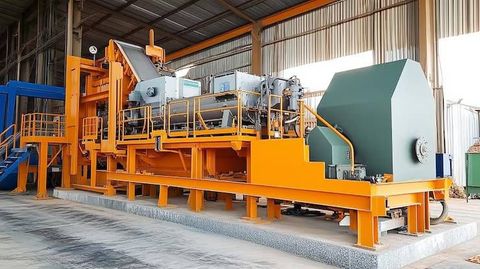
Plastic recycling machines are combinations of mechanical and processing equipment designed to transform plastic waste into usable recycled material. A complete recycling line may contain several machines rather than one standalone unit.
Typical equipment includes:
- Plastic shredders
- Plastic granulators
- Sorting systems
- Washing units
- Friction washers
- Drying systems
- Plastic extruders
- Melt filtration systems
- Pelletizing equipment
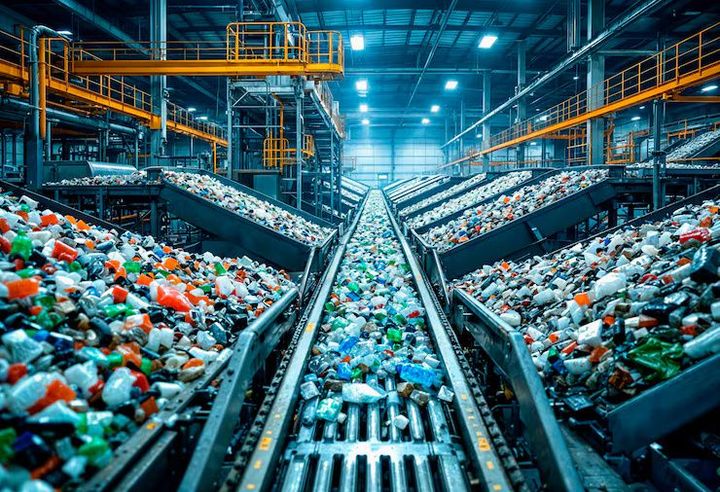
- Material conveying systems
The configuration depends on whether the feedstock consists of bottles, films, containers, industrial scrap, agricultural films, rigid plastics, or mixed plastic waste.
Basic Plastic Recycling Process
A typical mechanical recycling process begins with collection and sorting. The plastic is then reduced in size, cleaned, separated according to material characteristics, dried, melted, filtered, and converted into a more uniform form.
| Processing Stage | Main Purpose | Typical Equipment |
|---|---|---|
| Collection | Gather plastic waste | Collection systems |
| Sorting | Separate material types | Optical or manual sorting |
| Shredding | Reduce large pieces | Plastic shredder |
| Granulation | Produce smaller particles | Plastic granulator |
| Washing | Remove contaminants | Washing system |
| Drying | Reduce moisture | Dryer or dewatering unit |
| Extrusion | Melt and homogenize polymer | Plastic extruder |
| Filtration | Remove remaining solids | Melt filter |
| Pelletizing | Form recycled pellets | Pelletizer |
The sequence can change depending on the material. For example, PET bottle recycling generally requires sorting, label and cap separation, washing, drying, flake processing, and further treatment before the recycled material is used in another application.
Importance
Plastic recycling machines have an important role in material recovery because plastic waste streams can contain substantial quantities of reusable polymer. Efficient processing helps separate useful material from contaminants and prepares recovered plastics for subsequent manufacturing processes.
The broader importance of recycling is also connected with resource efficiency. UNEP describes circular approaches as involving reduction, reuse, improved product design, and stronger recycling systems. Its research also emphasizes that plastic products should be designed with recycling systems in mind.
Material Recovery
Mechanical recycling can convert plastic waste into flakes, regrind, or pellets. These forms are easier to handle in subsequent manufacturing processes.
Material recovery normally depends on:
- Polymer identification
- Contamination control
- Moisture management
- Particle-size consistency
- Thermal processing
- Melt filtration
- Quality testing
Higher levels of contamination can affect the quality of recycled output. Consequently, sorting and washing are important parts of many recycling systems.
Shredding and Granulation
Plastic shredders are commonly used when incoming material consists of large containers, pipes, bulky components, or irregular pieces. Shredding reduces the material into manageable pieces.
Plastic granulators perform further size reduction and can create relatively uniform flakes or regrind. Screen size, rotor configuration, blade condition, and feed characteristics influence the resulting particle size.
Washing and Drying
Washing systems remove materials such as dirt, labels, adhesives, oils, food residues, and other contaminants. Different plastics may require different washing conditions.
After washing, moisture must be controlled before thermal processing. Excess moisture can influence extrusion behavior and may affect the properties of certain polymers.
Extrusion and Pelletizing
A plastic recycling extruder heats and mixes prepared plastic material. The molten polymer can pass through a filtration system before being formed into strands or other pelletizing configurations.
Melt filtration is particularly relevant when the feedstock contains small amounts of paper, aluminum, dirt, or other unwanted particles. Pelletizing then converts the processed polymer into a more manageable form for subsequent applications.
Mechanical and Chemical Recycling
Mechanical recycling primarily changes the physical form of plastic while maintaining the polymer structure. It is widely associated with processes such as shredding, washing, melting, filtration, and pelletizing.
Chemical recycling uses different conversion pathways and may break polymers into chemical components or other feedstocks. UNEP notes that chemical conversion can have a role for plastic streams that cannot readily be reduced, substituted, or mechanically recycled, while also emphasizing the importance of appropriate feedstock selection.
These technologies therefore address different material streams rather than representing identical processes.
Recent Updates
Plastic recycling technology has continued to develop around automation, material identification, process monitoring, energy efficiency, and improved handling of complex waste streams.
Automation and Sorting
Automated sorting technologies can use sensors, cameras, optical systems, and other identification methods to distinguish materials. Better sorting can help reduce cross-contamination between polymer types.
Modern facilities may combine several identification methods with mechanical separation. The objective is to create cleaner and more consistent feedstock before subsequent processing.
Improved Processing of Flexible Plastics
Flexible plastic films can be challenging because they are lightweight, can wrap around rotating equipment, and may contain multiple materials. Recycling systems increasingly incorporate specialized feeding, shredding, washing, drying, and extrusion arrangements for these streams.
Digital Process Monitoring
Industrial recycling lines can use sensors and control systems to monitor temperature, pressure, motor load, throughput, moisture, and other process variables.
Digital monitoring can help operators identify process changes and maintain more consistent operating conditions. Data collection can also support equipment maintenance and process analysis.
Recycled Content and Circularity
Regulatory attention toward recycled content and plastic packaging recovery has increased the importance of traceability and documented processing. In India, the Extended Producer Responsibility framework includes recycling targets and requirements related to recycled plastic content for specified packaging categories.
This creates greater importance for documented material flows, registered processing facilities, and reliable recycling records.
Laws or Policies
India regulates plastic waste through the Plastic Waste Management Rules, 2016, together with subsequent amendments and related guidelines. The framework establishes responsibilities for plastic waste management and includes provisions for producers, importers, brand owners, local bodies, and plastic waste processors.
The Plastic Waste Management (Amendment) Rules, 2024 introduced further changes to the regulatory framework, including revised definitions and other provisions.
Extended Producer Responsibility
Extended Producer Responsibility, commonly called EPR, places specified responsibilities on producers, importers, and brand owners for plastic packaging placed into the market.
CPCB guidelines establish category-specific recycling requirements. For example, the minimum recycling level for Category I plastic packaging is scheduled at 50% for 2024–25, 60% for 2025–26, 70% for 2026–27, and 80% from 2027–28 onward. Other packaging categories have different targets.
Plastic Waste Processor Registration
Plastic waste processors operating within the EPR framework are subject to registration requirements. CPCB guidance states that plastic waste processors must register with the appropriate State Pollution Control Board or Pollution Control Committee through the centralized system. Annual reporting requirements also apply to processed quantities.
The framework also provides for certificates from registered plastic waste processors for qualifying processing activities.
Recycling Standards
Indian plastic waste management provisions recognize the importance of channeling recyclable plastic waste to registered recyclers and reference Indian Standard IS 14534 for guidelines related to plastic recycling.
Facilities should therefore consider applicable environmental permissions, registration requirements, waste-handling rules, pollution-control provisions, and reporting obligations when establishing or operating recycling systems.
Tools and Resources
Understanding plastic recycling technology requires information about both machinery and material science. Useful resources include:
- Central Pollution Control Board publications
- State Pollution Control Board guidance
- Plastic Waste Management Rules
- EPR-related documentation
- Indian Standards concerning plastic recycling
- Polymer identification references
- Material safety information
- Recycling process manuals
- Equipment operation documentation
- Environmental monitoring guidance
- Waste characterization studies
Key Parameters to Study
When evaluating a plastic recycling process, several technical parameters are relevant:
Feedstock: Polymer type, contamination, moisture, particle size, and material composition.
Throughput: Quantity of plastic processed during a defined operating period.
Temperature: Important during extrusion and other thermal stages.
Filtration: Determines the ability of the system to remove unwanted solid particles from molten polymer.
Moisture: Particularly important for materials that are sensitive to hydrolysis or processing instability.
Output quality: Can include particle size, polymer purity, moisture level, color, melt behavior, and other application-specific characteristics.
Studying these parameters helps explain how a recycling line functions as an integrated process rather than as a collection of independent machines.
FAQs
What are plastic recycling machines?
Plastic recycling machines are industrial equipment systems used to sort, reduce, clean, dry, melt, filter, and process discarded plastic into reusable material.
How does a plastic recycling machine work?
A typical plastic recycling process involves sorting, shredding or granulation, washing, drying, extrusion, filtration, and pelletizing. The exact sequence depends on the polymer and contamination level.
What is the role of a plastic shredder?
A plastic shredder reduces large or bulky plastic waste into smaller pieces that can be handled by subsequent processing equipment.
What is the difference between mechanical and chemical plastic recycling?
Mechanical recycling generally processes plastic through physical operations such as size reduction, washing, melting, filtration, and pelletizing. Chemical recycling uses chemical or thermal conversion pathways to produce different feedstocks or chemical components.
Why are plastic recycling machines important for EPR?
Plastic recycling machines can support the processing of plastic packaging waste within documented recycling systems. India's EPR framework includes recycling targets and requirements concerning recycled plastic content for specified packaging categories.
Conclusion
Plastic recycling machines combine mechanical processing, separation, cleaning, thermal treatment, filtration, and material forming technologies. Their configuration depends strongly on polymer type, contamination, moisture, and the required recycled output. Recent developments increasingly emphasize automation, traceability, process monitoring, and improved handling of difficult plastic streams. India's plastic waste framework also places greater emphasis on documented recycling, EPR obligations, registered processors, and recycled content requirements.