Plastic Compounding Lines: Discover How They Work and Important Facts
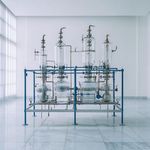
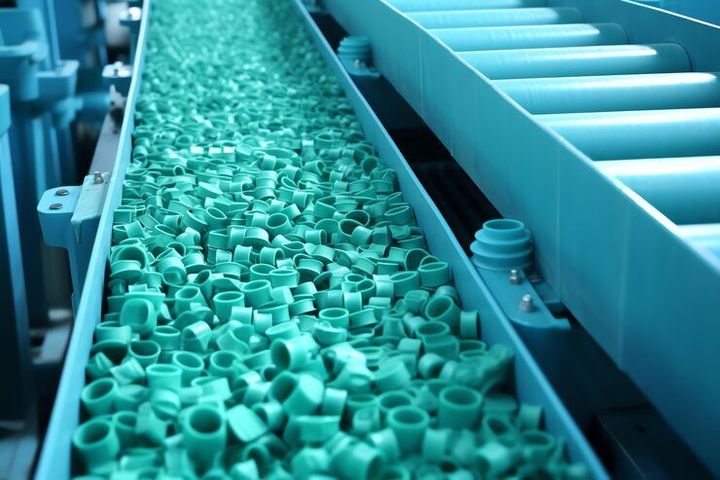
Plastic Compounding Lines are industrial production systems used to combine a base polymer with selected additives, fillers, pigments, fibers, or other materials to create a plastic compound with specific properties. The finished compound is commonly produced as pellets that can later be processed into products through injection molding, extrusion, blow molding, or other techniques.
A simple example is polypropylene mixed with glass fiber to improve stiffness. Another example is a polymer combined with pigments to create a particular color or with stabilizers to improve resistance to heat, light, or oxidation.
Compounding is therefore more than simply melting plastic. The line must introduce materials in controlled proportions, melt and mix them thoroughly, remove unwanted gases or moisture when necessary, filter contaminants, and form the resulting material into consistent pellets.
Main Stages of a Compounding Line
A typical Plastic Compounding Line contains several connected stages:
Raw-material preparation: Polymer pellets, powders, fibers, fillers, pigments, and additives are prepared for processing.
Feeding: Materials enter the processing system at controlled rates.
Melting: Heat and mechanical energy soften or melt the polymer.
Mixing: Screws distribute additives and other ingredients throughout the polymer.
Devolatilization: Moisture, air, solvents, or other volatile substances can be removed where required.
Filtration: Melt filtration can remove selected solid contaminants.
Pelletizing: The compound is shaped into small pellets.
Cooling and drying: Pellets are cooled and separated from excess water where applicable.
Packaging and storage: Finished pellets are transferred to suitable containers or storage systems.
The exact arrangement varies according to the polymer, formulation, production capacity, additives, and required compound characteristics.
Why Twin-Screw Extruders Are Common
Twin-screw extruders are widely used in compounding because two rotating screws can provide strong mixing and controlled material movement.
Different screw elements can perform different functions. Some transport material, some promote melting and mixing, and others create conditions for dispersing fillers or additives.
The screw configuration can therefore be changed according to the formulation. A compound containing glass fibers, mineral fillers, pigments, or recycled polymer may require a different configuration from a simple polymer-additive mixture.
Importance
Creating Specific Material Properties
Plastic compounding allows manufacturers to modify the characteristics of a polymer according to the intended application.
Properties that may be adjusted include:
Strength and stiffness
Impact resistance
Heat resistance
Flame behavior
Electrical characteristics
Color
UV resistance
Chemical resistance
Density
Flow behavior
Surface appearance
The final formulation depends on the performance requirements of the finished plastic component.
Supporting Many Industries
Compounded plastics are used across numerous sectors. Automotive components, electrical and electronic parts, appliances, packaging, construction products, consumer products, medical equipment, and industrial components can all use compounded polymers.
For example, a manufacturer may use a reinforced engineering plastic for a structural component, while a packaging application may require a polymer with particular flexibility, appearance, or barrier characteristics.
Processing Recycled Plastics
Compounding lines can also be used to process recycled polymer materials. Recycled plastics may have variable composition, moisture, contamination, color, or previous thermal history.
Specialized extrusion and filtration systems can help process such materials and combine them with additives or other polymers when appropriate.
Recent equipment development has increasingly focused on combining recycling and compounding steps. At K 2025, Coperion presented a filtration compounder designed to melt, homogenize, remove volatile substances, filter contaminants, and then compound recycled polymer in an integrated sequence.
Production Consistency
A controlled compounding line helps maintain consistent material characteristics by controlling feed rates, temperatures, screw speed, pressure, and other process variables.
Laboratory testing can then examine properties such as melt flow, tensile performance, impact behavior, density, moisture, and thermal characteristics.
Major Equipment
| Equipment | Main Function | Typical Role |
|---|---|---|
| Feeders | Meter raw materials | Controlled ingredient addition |
| Twin-screw extruder | Melt and mix materials | Main compounding stage |
| Side feeder | Introduce selected ingredients | Filler or fiber addition |
| Vacuum system | Remove volatile substances | Devolatilization |
| Melt filter | Remove contaminants | Melt cleaning |
| Die head | Shapes molten compound | Pelletizing preparation |
| Pelletizer | Cuts compound into pellets | Final material formation |
| Cooling system | Reduces pellet temperature | Pellet handling |
| Dryer | Removes surface moisture | Drying |
| Storage silo | Holds finished material | Material handling |
Recent Updates
Higher Throughput and Process Efficiency
Recent developments in twin-screw extrusion have focused on increasing throughput, improving mixing, controlling energy use, and automating process parameters.
At K 2025, Coperion presented twin-screw extrusion technology focused on compounding and recycling. Its ZSK 58 Mc18 system was described with throughput capability of up to 2,500 kg per hour, while its STS equipment was presented for applications including masterbatch production.
These figures apply to specific equipment configurations and should not be treated as a universal capacity for all Plastic Compounding Lines.
Integrated Recycling and Compounding
A major area of development is the integration of recycling and compounding functions. Instead of treating material preparation, filtration, and compounding as completely separate stages, equipment developers are creating systems that combine selected operations.
This approach can be particularly relevant when processing post-consumer or post-industrial plastics containing varying levels of contamination.
Automation and Process Monitoring
Modern compounding systems increasingly use automated controls to monitor temperatures, pressures, feeding rates, screw speed, motor load, and other operating conditions.
Data collection can help operators identify changes in the process and maintain more consistent production conditions.
Advanced monitoring systems can also record historical process information for quality analysis and equipment management.
Greater Use of Recycled Content
Regulatory developments are increasing attention toward recycled plastics, particularly in packaging. The European Union's Packaging and Packaging Waste Regulation entered into force in 2025, with several requirements applying progressively from 2026 and recycled-plastic requirements becoming particularly important from 2030.
These developments can influence compound formulations because recycled polymers may require sorting, cleaning, filtration, stabilization, blending, and property adjustment before use in new products.
Improved Traceability of Environmental Claims
In 2026, ISO published the third edition of ISO 14021 concerning self-declared environmental claims. The revised standard includes additional guidance concerning recycled content and chain-of-custody considerations.
This is relevant to plastics because claims concerning recycled material need appropriate documentation and defined methods for determining the material characteristics being communicated.
Laws or Policies
Regulations Vary Worldwide
Plastic compounding is influenced by several types of regulations rather than one universal global law. Requirements can address chemical substances, product safety, environmental protection, emissions, waste management, worker safety, food-contact materials, and recycled content.
The applicable requirements depend on the country, intended product, polymer formulation, and market where the compound or finished product will be used.
European Union Packaging Rules
The European Union's Packaging and Packaging Waste Regulation establishes requirements intended to increase recyclability, reduce packaging waste, and increase the use of recycled plastics. The regulation includes requirements that will affect plastic packaging design and material selection as its provisions become applicable.
For compound producers, such rules can influence the selection and documentation of recycled polymer inputs.
Chemical and Product Requirements
Plastic formulations can contain additives such as pigments, stabilizers, flame retardants, plasticizers, fillers, and processing aids. Depending on the application and market, individual substances may be subject to restrictions or documentation requirements.
Food-contact, pharmaceutical, drinking-water, electrical, automotive, and children's products can have additional material requirements.
International Standards
ISO and national standards bodies publish specifications and testing methods covering polymers, plastics processing, mechanical properties, thermal behavior, and environmental claims.
Standards do not automatically have the force of law in every country. Their role depends on regulations, contracts, industry requirements, and the market involved.
Quality and Material Testing
Compound producers commonly test incoming materials and finished compounds to verify relevant characteristics.
Typical tests may examine:
Melt flow behavior
Density
Moisture
Tensile properties
Impact strength
Flexural characteristics
Thermal resistance
Color
Filler content
Ash content
The appropriate testing program depends on the polymer and intended application.
Tools and Resources
Gravimetric Feeders
Gravimetric feeders measure material flow by weight and can provide controlled feeding of polymers, fillers, pigments, and additives.
Accurate feeding is important because formulation changes can influence the characteristics of the final compound.
Process Control Systems
Control platforms can monitor temperatures, pressure, screw speed, motor load, feeder rates, and other parameters.
Operators can use this information to maintain the intended processing window and identify abnormal conditions.
Laboratory Testing Equipment
Laboratory instruments can measure melt flow, tensile properties, impact resistance, moisture, density, thermal behavior, and other characteristics.
Laboratory data helps connect the extrusion process with the properties of the finished pellets.
Melt Filtration Systems
Melt filters remove selected solid contaminants from molten polymer. This is particularly relevant when processing recycled feedstock.
Filter selection depends on material type, contamination level, melt pressure, throughput, and required compound quality.
Pelletizing Systems
Pelletizing equipment converts the continuous molten strand or other melt form into manageable pellets. Common approaches include strand pelletizing and underwater pelletizing.
The appropriate system depends on polymer characteristics, production rate, pellet dimensions, and cooling requirements.
Standards Databases
National and international standards databases can help identify material specifications and testing methods.
For example, BIS maintains a searchable “Know Your Standard” platform, while ISO provides international standards related to plastics, environmental claims, and material management.
FAQs
What are Plastic Compounding Lines?
Plastic Compounding Lines are industrial systems that melt and mix polymers with additives, fillers, fibers, pigments, or other materials to produce a compound with defined characteristics.
How do Plastic Compounding Lines work?
Plastic Compounding Lines generally feed ingredients into an extruder, melt and mix them, remove selected volatile substances, filter the melt when required, and convert the resulting material into pellets.
Why are twin-screw extruders used in plastic compounding?
Twin-screw extruders provide controlled material transport and intensive mixing. Their screw configuration can be adapted for different polymers, fillers, fibers, additives, and recycled materials.
Can Plastic Compounding Lines process recycled plastics?
Yes. Specialized lines can process recycled polymer feedstock. Depending on the material, the system may include filtration, devolatilization, blending, stabilization, and other processing stages.
What materials are used in plastic compounding?
Common inputs include polymers such as polypropylene, polyethylene, ABS, polyamide, and thermoplastic polyurethane, along with fillers, glass fibers, pigments, stabilizers, flame-retardant systems, and other additives.
Conclusion
Plastic Compounding Lines combine polymers with additives, fillers, fibers, pigments, and other ingredients to create materials with controlled characteristics. Twin-screw extrusion remains an important technology because it provides controlled melting, transport, and intensive mixing. Current developments are increasingly focused on automation, recycled polymer processing, integrated filtration, process monitoring, and higher material efficiency. Global packaging regulations and updated standards are also influencing how recycled content and material characteristics are documented and managed.