Offshore Cranes: Explore Lifting Technology and Equipment for Oil Rig Operations
Offshore Cranes are specialized lifting systems designed for marine and offshore environments. They support the movement of equipment, materials, tools, and supplies on platforms, vessels, and offshore installations. Their design considers lifting capacity, reach, weather conditions, deck space, corrosion exposure, and operational control, with modern systems increasingly incorporating remote monitoring and automated functions.
Offshore Cranes: Explore Lifting Technology and Equipment for Oil Rig Operations
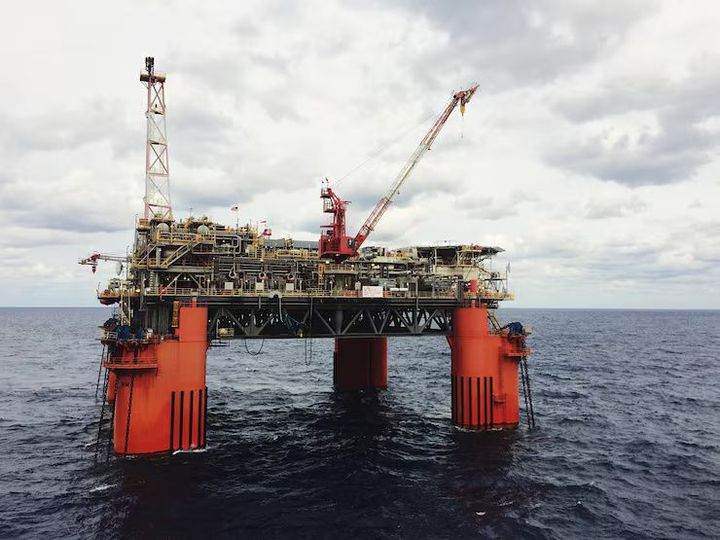
Offshore Cranes are specialized lifting machines used on offshore platforms, drilling rigs, support vessels, production facilities, and other marine installations. They move equipment, materials, tools, containers, and supplies between different areas of an offshore facility or between a vessel and an installation.
Unlike many land-based cranes, offshore cranes operate in environments affected by wind, waves, saltwater, limited deck space, and changing loads. Their design therefore combines lifting mechanisms with structural systems, hydraulic controls, safety equipment, and monitoring technologies suited to marine operations.
Offshore crane configurations vary according to the installation and lifting requirements. Common arrangements include pedestal cranes, knuckle-boom cranes, telescopic-boom cranes, and other specialized designs. The crane's capacity, boom configuration, operating radius, foundation arrangement, and control system are selected according to the intended application.
Context
Offshore facilities require regular movement of materials and equipment. Drilling operations may involve pipes, tools, maintenance equipment, containers, and other heavy loads, while production platforms may require machinery components, supplies, and maintenance materials.
An Offshore Crane provides a controlled method for handling these loads. It generally consists of a structural base, rotating machinery, boom, hoisting system, wire rope or hydraulic components, control equipment, and safety systems.
Common Offshore Crane Types
Different crane configurations provide different movement patterns and operating characteristics.
| Crane Type | Main Characteristic | Common Application |
|---|---|---|
| Pedestal crane | Mounted on a fixed pedestal | Offshore platforms and drilling installations |
| Knuckle-boom crane | Articulated boom sections | Flexible material handling |
| Telescopic-boom crane | Extendable boom sections | Variable reach applications |
| Fixed-boom crane | Rigid boom arrangement | Defined lifting zones |
| Subsea crane | Designed for underwater lifting | Marine and subsea operations |
The choice depends on load requirements, operating radius, available deck space, environmental conditions, and the layout of the offshore facility.
Main Components
An offshore crane contains several interconnected systems. The boom provides the structural reach, while the hoist system raises and lowers the load.
Other important components can include the pedestal, slewing mechanism, hydraulic power unit, winch, wire rope, sheaves, hook assembly, control system, brakes, limit devices, load monitoring equipment, and emergency systems.
The pedestal transfers crane loads into the supporting structure. The slewing mechanism allows the crane to rotate, while the hydraulic or mechanical system controls boom and hoisting movements.
Lifting Operations
A typical lifting operation involves several stages. Personnel first identify the load and lifting area, then prepare the crane and rigging equipment.
The load is connected using appropriate lifting accessories. The crane operator then controls hoisting, boom movement, and slewing while personnel monitor the lifting zone and environmental conditions.
Once the load reaches the intended position, it is placed and disconnected according to the established lifting procedure.
Importance
Offshore Cranes are important because offshore installations have limited space and may be located far from conventional land-based material-handling infrastructure.
Material Handling
Offshore platforms and rigs receive equipment and supplies through marine logistics systems. Cranes allow these materials to be transferred from supply vessels to the installation and moved between designated areas.
This can include containers, maintenance components, tools, pipes, and other equipment used during offshore activities.
Limited Space
Offshore facilities are designed around constrained deck areas. Crane placement and boom movement therefore need to be coordinated with other equipment, structures, walkways, and operational zones.
Compact crane configurations and controlled movement systems can help accommodate these spatial limitations.
Environmental Conditions
Offshore cranes operate in conditions that can change rapidly. Wind, rain, saltwater, temperature, visibility, and vessel movement can influence lifting operations.
When a crane transfers a load between a vessel and an offshore structure, relative movement between the two can introduce additional challenges. Operators and lifting teams therefore follow defined operating limits and procedures.
Corrosion Management
Marine environments expose equipment to saltwater and moisture. Offshore crane structures and components require appropriate materials, protective coatings, inspection programs, and maintenance practices.
Corrosion monitoring is particularly relevant to structural members, wire ropes, fasteners, hydraulic components, and exposed mechanical parts.
Safety
Lifting heavy loads over decks, equipment, or water requires careful planning. Load capacity, lifting radius, rigging configuration, environmental conditions, equipment condition, and communication all influence the safety of an operation.
Crane control systems can provide information such as load weight, boom position, operating radius, and other parameters to support controlled lifting.
Recent Updates
From 2024 through 2026, offshore crane technology has continued to develop around digital monitoring, automation, condition assessment, remote operation, and improved control systems.
Digital Load Monitoring
Modern cranes can incorporate sensors that measure load-related and operating parameters. Load monitoring can provide information about lifting forces and help operators remain within defined operating limits.
Digital displays can present crane status and other information directly to the operator.
Motion Compensation
Marine lifting can involve movement caused by waves and vessel motion. Specialized crane systems can incorporate motion-compensation technologies for applications where controlled movement is particularly important.
These systems may use sensors and control algorithms to detect movement and adjust crane operation accordingly.
Remote Monitoring
Connected crane systems can transmit operating information to remote monitoring platforms. Data such as equipment status, operating cycles, hydraulic conditions, and alarms can be collected for analysis.
Remote monitoring can provide maintenance and operations teams with additional visibility without requiring constant physical access to every crane component.
Automation
Automation can support certain repetitive or controlled crane functions. Electronic control systems can coordinate hydraulic movements and monitor operating limits.
The degree of automation depends on the crane design, installation requirements, risk assessment, and operating procedures.
Condition Monitoring
Sensors can monitor vibration, temperature, hydraulic pressure, motor performance, and other indicators. Changes in these measurements can help identify equipment conditions that require inspection.
Condition monitoring can complement scheduled maintenance and physical inspection rather than replacing them.
Energy Management
Modern hydraulic and electric crane systems can incorporate improved drive and control technologies. Energy monitoring can help operators understand power consumption and identify opportunities for more controlled equipment operation.
Laws or Policies
Offshore Cranes operate within highly regulated lifting environments. Requirements vary according to the country, offshore jurisdiction, type of installation, vessel classification, and crane configuration.
Lifting Equipment Requirements
Offshore lifting equipment is generally subject to requirements covering design, inspection, testing, maintenance, and safe operation. Operators need to identify the rules applicable to the specific installation and jurisdiction.
Load Ratings
Every crane is designed for defined lifting capacities and operating conditions. Capacity can change according to boom position, working radius, load configuration, sea conditions, and other factors.
Load charts and operating limits are therefore important references during lifting operations.
Inspection and Testing
Cranes require periodic inspection and testing according to applicable requirements and equipment procedures. Inspections can cover structural components, wire ropes, hooks, brakes, hydraulic systems, controls, safety devices, and other parts.
Records of inspections and tests provide evidence of equipment condition and support maintenance planning.
Personnel and Lifting Procedures
Crane operators, riggers, signalers, and other personnel involved in lifting activities require appropriate training and authorization under the applicable operating framework.
Lifting plans normally identify the load, crane configuration, lifting path, rigging arrangement, environmental conditions, communication methods, and exclusion zones.
Environmental Protection
Offshore facilities operate under environmental requirements that may address marine pollution, emissions, waste, and accidental releases. Crane operation can be influenced by these requirements, particularly where hydraulic systems or other equipment could introduce substances into the marine environment.
Tools and Resources
Offshore crane operations depend on a combination of mechanical equipment, lifting accessories, monitoring systems, inspection tools, and technical documentation.
Common Equipment and Resources
| Tool or Resource | General Purpose |
|---|---|
| Load monitoring system | Measures lifting load and related parameters |
| Wire rope inspection equipment | Assesses rope condition |
| Load charts | Define lifting capacity for crane configurations |
| Lifting slings | Connect loads to lifting equipment |
| Shackles and hooks | Provide secure load connections |
| Hydraulic monitoring equipment | Tracks hydraulic system conditions |
| Structural inspection tools | Support assessment of crane structures |
| Control system | Operates and monitors crane functions |
Lifting accessories must be appropriate for the intended load and inspected according to applicable procedures. Slings, shackles, hooks, and other components form an important part of the overall lifting arrangement.
Technical manuals provide information about crane capacity, operating controls, inspection requirements, lubrication points, hydraulic systems, and safety functions.
Digital monitoring platforms can also support operational records and equipment-condition assessment.
FAQs
What are Offshore Cranes used for?
Offshore Cranes are used to move equipment, materials, tools, containers, and supplies on offshore installations and vessels. They can also support transfers between supply vessels and offshore platforms.
How do Offshore Cranes differ from land-based cranes?
Offshore Cranes are designed for marine environments where wind, saltwater, limited deck space, and vessel movement can affect lifting operations. Their structures, controls, corrosion protection, and monitoring systems are adapted to these conditions.
What types of Offshore Cranes are commonly used?
Common types include pedestal cranes, knuckle-boom cranes, telescopic-boom cranes, fixed-boom cranes, and specialized subsea cranes. The appropriate type depends on the installation and lifting requirements.
What factors affect Offshore Crane lifting capacity?
Capacity can depend on the crane configuration, load radius, boom position, structural limitations, environmental conditions, and operating mode. Operators use the applicable load chart and operating procedures to determine allowable lifting conditions.
What technologies are used in modern Offshore Cranes?
Modern Offshore Cranes can incorporate digital load monitoring, electronic controls, condition-monitoring sensors, remote monitoring, motion compensation, and selected automated functions. These technologies help provide greater visibility into crane operation and equipment condition.
Conclusion
Offshore Cranes are essential lifting systems for moving materials and equipment around offshore platforms, drilling rigs, vessels, and production facilities. Their design must account for marine conditions, restricted deck space, lifting capacity, corrosion exposure, and controlled equipment movement.
Modern systems increasingly incorporate digital monitoring, motion compensation, remote connectivity, condition monitoring, and advanced control technologies. Proper lifting planning, equipment inspection, operator training, maintenance, and compliance with applicable offshore lifting requirements remain important for safe and organized crane operations.