Label Printing Machines: Guide to Types, Technology, and Practical Insights
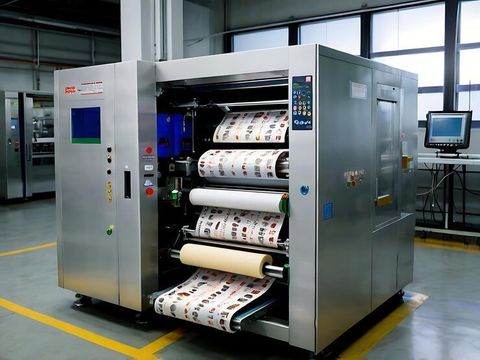
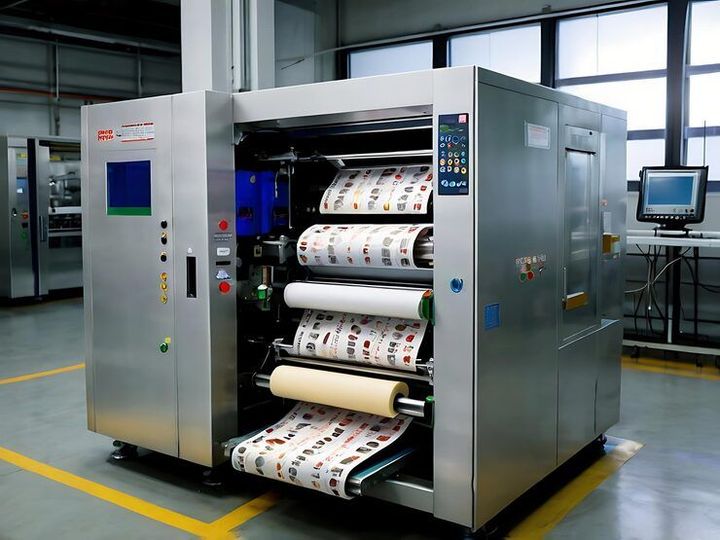
Label printing machines are industrial and commercial printing systems used to produce labels for products, packaging, containers, shipping materials, and identification purposes. They range from compact digital printers to large flexographic and rotary systems designed for continuous production.
A label printing machine transfers text, graphics, barcodes, symbols, or other information onto materials such as paper, plastic films, synthetic substrates, and specialty label stocks. Depending on the machine, printing can be performed using digital inkjet, toner, flexographic, thermal transfer, or other printing technologies.
Modern label production can involve several stages, including material feeding, printing, drying or curing, inspection, finishing, cutting, and rewinding. The appropriate configuration depends on the label material, print requirements, production volume, resolution, colors, finishing requirements, and intended application.
How Label Printing Machines Work
The basic operation starts with feeding label material through the machine. The printing system then applies ink, toner, or another marking medium according to the selected technology.
After printing, the material may pass through drying, curing, laminating, coating, die-cutting, slitting, or inspection stages. Finished labels can then be rewound into rolls, cut into individual sheets, or processed into another required format.
A simple example is a food manufacturer producing adhesive labels for jars. The label printing system can print the product name, ingredients, barcode, batch information, and other required information before the labels are cut and prepared for application.
Main Types of Label Printing Machines
Digital Label Printing Machines
Digital machines print directly from digital files without requiring traditional printing plates. They are commonly used for variable data, shorter production runs, multiple designs, and rapid design changes.
Inkjet and toner-based systems are two common digital approaches.
Flexographic Label Printing Machines
Flexographic printing uses flexible printing plates to transfer ink onto the label material. It is widely used for continuous label production and can support multiple colors and various substrates.
Flexographic systems can also be integrated with finishing equipment such as die-cutters and laminators.
Thermal Transfer Label Printers
Thermal transfer systems use a heated printhead to transfer material from a ribbon onto the label surface. They are commonly used for barcodes, product identification, logistics labels, and industrial identification.
Direct Thermal Printers
Direct thermal printing creates an image directly on heat-sensitive label material. No ribbon is required, but the printed material can be sensitive to heat, light, or environmental conditions depending on its formulation.
Rotary and Hybrid Printing Systems
Rotary systems can support continuous high-volume label production. Hybrid machines combine technologies, such as digital and flexographic printing, to provide different capabilities within one production line.
Main Components
A typical label printing machine may include:
- Material unwinder: Feeds label stock into the machine.
- Printing unit: Applies the required image or information.
- Drying or curing system: Helps set inks or coatings.
- Inspection system: Checks printed labels for defects.
- Die-cutting unit: Cuts labels into the required shape.
- Slitting system: Divides wider material into narrower rolls.
- Rewinder: Collects finished label material into rolls.
- Control system: Manages printing parameters and machine operation.
Importance
Role in Packaging and Manufacturing
Labels provide identification and information throughout many industries. They can contain product names, barcodes, batch numbers, ingredients, safety information, handling instructions, and traceability data.
Label printing machines allow manufacturers and packaging operations to produce these materials at different production scales. The equipment can range from desktop units for small applications to automated production lines for continuous industrial operations.
Applications Across Industries
Label printing machines are used in many sectors:
- Food and beverages: Product labels, nutritional information, ingredient information, and packaging identification.
- Pharmaceuticals: Product identification, dosage information, batch details, and traceability labels.
- Cosmetics: Product descriptions, ingredients, regulatory information, and branding elements.
- Logistics: Shipping labels, barcodes, tracking information, and warehouse identification.
- Chemicals: Hazard information, handling instructions, and container identification.
- Retail: Product identification, pricing information, and barcode labels.
- Industrial manufacturing: Equipment identification, warning labels, asset tracking, and technical information.
- Electronics: Component identification and product traceability.
Comparison of Major Printing Technologies
| Technology | Main Strength | Typical Application | Material Flexibility | Variable Data |
|---|---|---|---|---|
| Digital inkjet | Rapid design changes | Product and specialty labels | High | High |
| Digital toner | Detailed graphics | Short and medium runs | Moderate to high | High |
| Flexographic | Continuous production | Packaging labels | High | Limited without additional systems |
| Thermal transfer | Durable identification | Industrial and logistics labels | Moderate | High |
| Direct thermal | Simple operation | Receipts and temporary labels | Specialized | High |
| Hybrid | Combined capabilities | Complex label production | High | High |
Factors Affecting Machine Selection
Selecting a label printing machine depends on the application rather than one universal specification.
Important factors include:
- Required printing speed
- Number of colors
- Label dimensions
- Material type
- Required resolution
- Production volume
- Variable-data requirements
- Finishing requirements
- Available floor space
- Maintenance requirements
- Integration with existing packaging equipment
For example, a warehouse producing shipping labels may require a different system from a packaging manufacturer producing high-resolution labels with multiple colors and specialty finishes.
Quality and Production Challenges
Label production can involve issues such as ink adhesion, color consistency, substrate deformation, registration errors, cutting inaccuracies, dust contamination, and printhead maintenance.
Environmental conditions can also affect printing. Temperature and humidity may influence some inks, adhesives, label stocks, and printing processes.
Regular inspection and appropriate machine settings can help maintain consistent output.
Recent Updates
Growth of Digital Label Printing
Digital printing continues to influence label production by allowing designs and variable information to be changed without replacing traditional printing plates. This is particularly useful when products require different versions, personalized information, or frequent artwork changes.
Digital workflows can connect design files, production software, color management, inspection systems, and finishing equipment.
Automation and Workflow Integration
Modern label printing lines increasingly use automated material handling, digital controls, inspection cameras, and software-based production management.
Automated registration systems can monitor alignment between printing units and the substrate. Vision systems can identify missing information, printing defects, incorrect colors, or barcode problems during production.
Artificial Intelligence and Machine Vision
AI-assisted vision technology is being explored for automated defect detection, predictive equipment monitoring, and quality inspection. Machine vision uses cameras and software to examine printed material at production speed.
These systems can help identify recurring defects, although their effectiveness depends on image quality, software configuration, lighting, and appropriate training or rules.
Sustainable Printing Developments
Environmental considerations are influencing label materials, inks, coatings, and production processes. Water-based and UV-curable inks are used in various applications, while some manufacturers are developing label structures designed to reduce material use or improve recyclability.
Sustainability requirements vary according to the label material, packaging structure, recycling system, and local regulations. Therefore, a material described as recyclable in one system may not have the same result in another.
Laws or Policies
Product Labeling Requirements
Label requirements vary significantly between countries and product categories. Food, medicines, chemicals, cosmetics, and consumer products may each have specific information requirements.
A label printing machine itself is generally not responsible for determining what information must appear on a label. The manufacturer or product owner must identify the applicable legal requirements before preparing the artwork and production files.
Food and Consumer Products
Food labeling requirements can include information such as product identity, ingredients, allergens, quantity, nutritional information, manufacturer details, and date-related information. Requirements differ between jurisdictions.
In the United States, the Food and Drug Administration regulates many food labeling requirements. In the European Union, food information is governed by regulations including Regulation (EU) No 1169/2011.
Pharmaceutical and Chemical Labels
Pharmaceutical labels are subject to specific regulatory requirements that vary by market. Chemical labeling can also involve internationally recognized systems such as the Globally Harmonized System of Classification and Labelling of Chemicals (GHS).
GHS provides a harmonized approach to communicating chemical hazards through labels and safety data sheets, while individual countries implement the framework through their own regulations.
Barcode and Identification Standards
GS1 develops global standards for product identification, barcodes, and related data structures. Organizations using standardized identification systems may need compatible printing and verification equipment.
Regulatory and standards requirements should always be checked for the target market because labeling rules can change according to product category and jurisdiction.
Tools and Resources
Label Design Software
Label design applications allow users to create layouts containing text, graphics, barcodes, QR codes, variable data, and other elements.
The software should support the required label dimensions, printer configuration, color management, and variable-data workflow.
Barcode Verification Systems
Barcode verification equipment evaluates whether printed barcodes meet applicable quality requirements. This can be important for logistics, retail, healthcare, and manufacturing applications.
Machine Vision Systems
Cameras and inspection software can examine labels during production. Depending on the configuration, these systems can identify missing characters, incorrect artwork, registration errors, color variations, and physical defects.
Color Management Tools
Color measurement instruments such as spectrophotometers can measure printed colors and help maintain consistency between production batches.
Standards and Industry Resources
Useful resources include:
- GS1 for identification and barcode standards
- ISO for international standards
- National regulatory agencies
- Food and pharmaceutical regulatory authorities
- Chemical safety authorities
- Printing-industry technical organizations
- Equipment manufacturer documentation
These resources can help organizations understand labeling requirements and technical printing considerations.
FAQs
What are label printing machines used for?
Label printing machines are used to produce product labels, barcode labels, shipping labels, pharmaceutical labels, industrial identification labels, packaging labels, and other printed identification materials.
Which label printing machine is suitable for small production runs?
Digital label printing machines can be suitable for smaller production runs because they can handle frequent artwork changes without traditional printing plates. The appropriate system still depends on material, color, resolution, and finishing requirements.
How do label printing machines work?
A label printing machine feeds a substrate through one or more printing units that apply ink, toner, or another marking medium. Additional stages can include drying, curing, inspection, cutting, laminating, slitting, and rewinding.
What is the difference between thermal transfer and direct thermal printing?
Thermal transfer printing uses a heated ribbon to transfer an image onto the label material. Direct thermal printing creates the image directly on heat-sensitive material and does not normally require a ribbon.
Are label printing machines used for industrial applications?
Yes. Industrial applications include asset identification, equipment labels, chemical containers, warehouse tracking, product traceability, electrical components, and logistics identification.
Conclusion
Label printing machines support product identification, packaging, logistics, manufacturing, healthcare, food, chemical, and retail applications. Digital, flexographic, thermal, and hybrid technologies provide different approaches depending on production volume, material, print requirements, and variable-data needs. Automation, machine vision, digital workflows, and developments in inks and substrates are continuing to influence modern label production. Understanding the printing technology, materials, finishing requirements, quality controls, and applicable labeling regulations is important when planning a label production process.