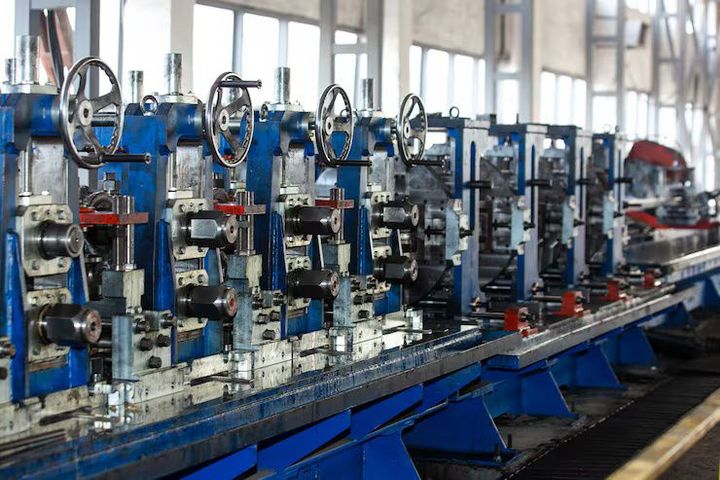
Injection Moulding Machines: Tips for Understanding Moulding Processes
Injection moulding machines are industrial systems used to produce plastic components by heating polymer material and injecting it into a mould cavity. After the material cools and solidifies, the mould opens and the finished component is removed. This process is widely used for producing components with repeatable shapes, dimensions, and surface characteristics.
The basic injection moulding cycle involves material preparation, plasticization, mould closing, injection, packing or holding, cooling, mould opening, and part removal. Machine configuration and process conditions vary according to the polymer, component geometry, mould design, and production requirements.
Injection moulding equipment can be used with materials such as polypropylene (PP), polyethylene (PE), acrylonitrile butadiene styrene (ABS), polystyrene (PS), polyamide (PA), polycarbonate (PC), and various engineering polymers. Some systems can also process reinforced or specialty materials.
What Is an Injection Moulding Machine?
An injection moulding machine combines mechanical, hydraulic, electrical, and control systems to transform polymer pellets or granules into moulded components.
The main sections generally include:
- Injection unit
- Plasticizing screw
- Barrel and heating zones
- Nozzle
- Clamping unit
- Mould
- Hydraulic or electric drive system
- Controller
- Material hopper
- Ejection mechanism
The injection unit melts and prepares the polymer before pushing it into the mould. The clamping unit keeps the mould halves closed during injection and cooling.
How the Moulding Process Works
The process starts when plastic pellets enter the machine through the hopper. The rotating screw transports the material through the heated barrel, where heat and mechanical shear transform the solid polymer into a molten state.
The screw then moves forward and injects the molten polymer into the mould cavity. Pressure is maintained during the holding stage to compensate for material shrinkage as the polymer cools.
After sufficient cooling, the mould opens and the ejection system removes the component. The mould then closes again and the next cycle begins.
| Process Stage | Main Function | Key Consideration |
|---|---|---|
| Material Feeding | Introduces polymer | Material condition |
| Plasticization | Melts and mixes polymer | Temperature and screw action |
| Mould Closing | Secures mould | Clamping force |
| Injection | Fills cavity | Injection pressure and speed |
| Holding | Compensates for shrinkage | Holding pressure and time |
| Cooling | Solidifies component | Cooling efficiency |
| Mould Opening | Separates mould halves | Timing and movement |
| Ejection | Removes component | Ejection force and design |
Importance
Injection moulding machines are important because they allow complex plastic components to be produced through a controlled and repeatable manufacturing cycle. Their applications extend across packaging, consumer products, electronics, automotive components, medical devices, appliances, and industrial parts.
Repeatable Manufacturing
A properly controlled injection moulding process can produce successive components using the same mould geometry and programmed operating conditions.
Repeatability depends on several variables, including:
- Material consistency
- Mould temperature
- Barrel temperature
- Injection speed
- Injection pressure
- Holding pressure
- Cooling time
- Screw position
- Clamping conditions
Changes in these parameters can influence dimensions, appearance, strength, and other characteristics of the moulded component.
Understanding Clamping Force
Clamping force is the force used to keep the mould closed during injection. The required force depends on factors such as projected part area, cavity pressure, polymer characteristics, and mould configuration.
If the available clamping force is insufficient, the mould can separate slightly during injection, potentially creating a flash along the parting line. Excessive clamping conditions can also create unnecessary mechanical loading.
Therefore, machine selection and process setup need to consider the characteristics of the mould and component.
Plasticization and Screw Function
The screw performs several functions during the moulding cycle. It transports plastic pellets through the barrel, contributes to melting through heat and shear, mixes the polymer, and prepares the required shot for injection.
Screw geometry can vary according to the polymer and application. Screw diameter, compression ratio, length-to-diameter ratio, and flight configuration can influence plasticization behavior.
Material manufacturers' processing recommendations are normally considered when establishing suitable temperature and processing conditions.
Mould Design
The mould is central to the injection moulding process because it determines the shape and many characteristics of the finished component.
Important mould features can include:
- Cavities
- Cores
- Runners
- Gates
- Cooling channels
- Venting
- Ejector system
- Parting surfaces
Gate location influences how molten polymer enters the cavity. Cooling-channel design affects heat removal and can influence cycle time and dimensional stability.
Process Control
Modern injection moulding machines use electronic control systems to monitor and adjust process parameters. Operators can establish programmed values for injection speed, pressure, temperature, screw movement, cooling time, and other cycle variables.
Process monitoring can help identify deviations. For example, unusual pressure changes may indicate differences in material flow, mould conditions, or process stability.
Recent Updates
Injection moulding technology continues to develop through electric drive systems, automation, digital monitoring, energy management, and improved process control.
Electric Injection Moulding
Electric injection moulding machines use electric servo-driven systems for functions that may traditionally have relied on hydraulic power. These systems can provide precise control of screw movement, injection speed, and other machine functions.
Hybrid systems combine electric and hydraulic technologies. The appropriate configuration depends on the application and required machine characteristics.
Automation and Robotics
Automation is increasingly integrated with injection moulding cells. Robots can remove components, perform insert handling, transfer parts, or support downstream operations.
Automated systems can also incorporate conveyors, vision inspection, material handling, and packaging stages. This creates a connected production cell rather than a standalone moulding machine.
Digital Monitoring
Sensors and machine controllers can record information such as pressure, temperature, screw position, cycle time, energy use, and machine status.
Data analysis can help identify process changes and support quality monitoring. Manufacturing facilities may also connect machines to broader industrial information systems for production tracking and maintenance analysis.
Energy Efficiency
Energy consumption is an important consideration in plastic processing. Modern machine designs increasingly focus on efficient drive systems, improved heating control, optimized hydraulic circuits, and process monitoring.
Energy requirements vary significantly according to machine size, material, cycle conditions, component geometry, and production setup. A direct comparison therefore requires consistent operating conditions.
Advanced Process Control
Process control technologies can use sensor information to adjust operating parameters. Some systems incorporate cavity-pressure monitoring, temperature sensors, machine learning approaches, or other analytical methods to identify process deviations.
These technologies are particularly relevant where tight dimensional or quality requirements exist.
Laws or Policies
Injection moulding operations can be subject to environmental, workplace safety, electrical, waste-management, and product-specific regulations. The applicable requirements depend on the industry, material, facility, and intended use of the manufactured component.
In India, industrial facilities may need to consider requirements administered through central and state regulatory authorities, including pollution-control provisions and occupational safety requirements.
Plastic Waste Management
Where an injection moulding operation generates plastic production scrap, the material may enter a recycling or waste-management process. India's Plastic Waste Management Rules establish a framework for handling plastic waste, with subsequent amendments and EPR-related provisions.
Production scrap can potentially be segregated by polymer type and returned to suitable processing streams when technically appropriate. The suitability of regrinding and reuse depends on material history, contamination, degradation, and product requirements.
Workplace Safety
Injection moulding machines contain moving moulds, high-temperature surfaces, rotating components, electrical systems, and pressurized equipment. Safety systems can include machine guards, interlocks, emergency stops, controlled access, and appropriate operating procedures.
Training and risk assessment are important parts of industrial machine operation.
Product-Specific Requirements
Some moulded components may be used in regulated applications such as food-contact packaging, medical devices, automotive systems, or electrical products. Such applications can involve additional material, testing, quality, and documentation requirements.
The applicable standards should be determined from the intended application and jurisdiction.
Tools and Resources
Learning about injection moulding requires an understanding of machine operation, polymer behavior, mould design, and process control.
Useful resources include:
- Polymer processing manuals
- Injection moulding machine documentation
- Mould design references
- Polymer manufacturers' technical data
- Industrial safety guidance
- Plastic processing standards
- Quality-control procedures
- Process monitoring systems
- Mould maintenance documentation
- Materials testing references
Important Process Parameters
Several parameters are particularly useful when studying injection moulding.
Melt temperature: Influences polymer flow and filling behavior.
Mould temperature: Affects cooling, surface appearance, crystallization for applicable polymers, and dimensional behavior.
Injection speed: Determines how quickly the mould cavity is filled.
Injection pressure: Provides the force needed to move molten polymer into the cavity.
Holding pressure: Helps compensate for volumetric shrinkage while the material solidifies.
Cooling time: Determines how long the component remains in the mould before removal.
Screw speed: Influences plasticization and material preparation.
Back pressure: Can influence mixing and plasticization during screw recovery.
Clamping force: Keeps the mould closed during injection.
Monitoring these parameters together is more useful than examining a single setting in isolation.
FAQs
What is an injection moulding machine?
An injection moulding machine is industrial equipment that melts polymer material and injects it into a mould cavity to produce a shaped plastic component.
How does an injection moulding machine work?
The machine feeds plastic pellets into a heated barrel, where a rotating screw plasticizes the material. The molten polymer is then injected into a closed mould, held under pressure, cooled, and ejected.
What are the main types of injection moulding machines?
Common categories include hydraulic, electric, and hybrid injection moulding machines. They differ mainly in their drive and control systems.
What factors affect the injection moulding process?
Material properties, melt temperature, mould temperature, injection speed, injection pressure, holding pressure, cooling time, screw settings, mould design, and clamping force can all affect the process.
What is the role of the mould in injection moulding?
The mould defines the geometry of the component and contains features such as cavities, gates, runners, cooling channels, vents, and ejection mechanisms.
Conclusion
Injection moulding machines combine material plasticization, controlled injection, mould clamping, cooling, and part ejection into a repeatable manufacturing cycle. Understanding machine components, polymer behavior, mould design, and process parameters helps explain how different operating conditions influence the finished component. Recent developments include electric drives, automation, digital monitoring, energy-management systems, and advanced process control. The technology continues to serve a wide range of plastic manufacturing applications.