Industrial Battery Swapping Equipment: Guide to Systems and Practical Insights
Industrial Battery Swapping Equipment refers to the machines, charging systems, battery-handling mechanisms, control software, and safety equipment used to remove a depleted battery from an electric industrial vehicle and replace it with a charged battery.
The concept is particularly relevant to equipment that operates for long periods, such as electric forklifts, warehouse vehicles, automated guided vehicles, airport ground equipment, and selected electric commercial or heavy-duty vehicles. Instead of keeping the vehicle connected to a charger for an extended period, the depleted battery can be exchanged and the vehicle returned to operation.
A typical system contains several connected elements:
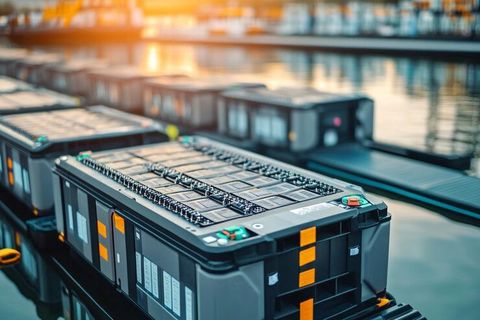
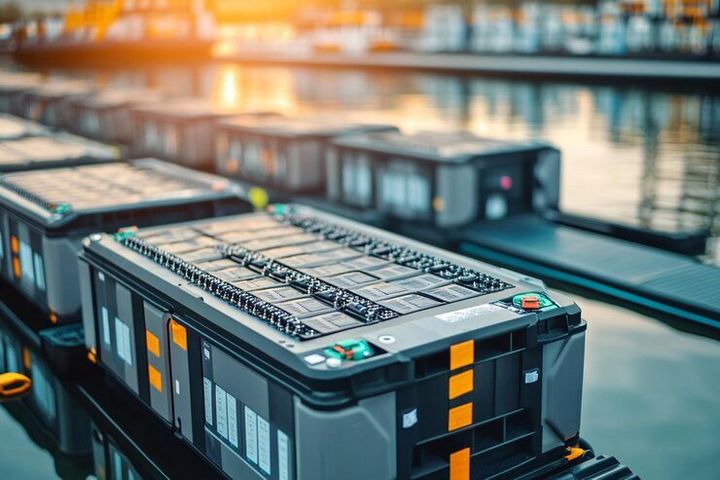
Battery packs: Removable energy-storage units designed for a compatible vehicle.
Swap station: The physical area where batteries are removed, positioned, exchanged, and connected.
Battery handling mechanism: A manual-assist, mechanical, robotic, or automated system that moves the battery.
Charging equipment: Recharges removed batteries while they are outside the vehicle.
Battery management system: Monitors battery condition, temperature, voltage, current, and other parameters.
Control software: Coordinates identification, charging, swapping, safety checks, and equipment status.
Communication system: Allows batteries, vehicles, chargers, and control systems to exchange information.
How Battery Swapping Works
The basic process begins when an electric industrial vehicle arrives at a designated swap area. The depleted battery is disconnected from the vehicle, removed using the appropriate handling mechanism, and placed into a charging position.
A charged battery is then identified and moved into the vehicle's battery compartment. The system verifies electrical and mechanical connections before the vehicle returns to operation.
Automated systems can use sensors, positioning mechanisms, locking devices, and robotic handling equipment to perform several of these steps.
Where It Is Used
Industrial battery swapping can be applied in environments where vehicles operate frequently and interruptions affect workflow.
Examples include:
Warehouses and distribution centers may use battery swapping for electric forklifts and material-handling vehicles.
Manufacturing plants can use removable battery systems for internal transport equipment.
Ports and logistics facilities may investigate battery exchange systems for selected electric transport equipment.
Airport operations can use electric ground equipment where vehicles have recurring operating cycles.
Mining and construction applications may use removable energy-storage systems in selected electric machinery, although battery size and handling requirements can make these systems more complex.
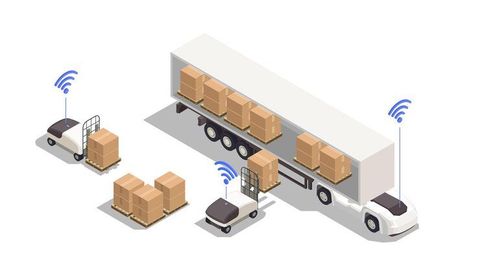
Automated warehouses can integrate battery exchange with autonomous mobile robots and automated guided vehicles.
Importance
Reducing Vehicle Downtime
One major reason for battery swapping is to separate vehicle operation from battery charging. Instead of waiting for the installed battery to recharge, a vehicle can receive another compatible battery.
This approach can be particularly relevant for fleets operating continuously or across multiple shifts.
Supporting Fleet Operations
A centralized battery area can allow multiple batteries to be charged and monitored separately from the vehicles using them. Fleet operators can organize battery availability according to operating schedules and energy requirements.
The effectiveness of this approach depends on battery compatibility, swap time, charging capacity, fleet size, and the number of spare batteries available.
Improving Battery Monitoring
Modern battery systems use electronic monitoring to track parameters such as voltage, current, temperature, state of charge, and selected battery-health indicators.
When batteries are managed through a centralized system, operators can maintain records for individual battery packs and identify unusual operating conditions.
Supporting Electrification
Battery swapping can support the wider adoption of electric industrial vehicles by addressing one particular operational challenge: keeping vehicles available while their batteries recharge.
It does not eliminate the need for charging infrastructure. Instead, charging takes place on removed batteries while another battery is being used.
Main Equipment Categories
| Equipment | Primary Function | Typical Application |
|---|---|---|
| Battery pack | Stores electrical energy | Electric industrial vehicles |
| Swap station | Provides exchange area | Fleet depots |
| Battery changer | Moves battery packs | Forklifts and industrial vehicles |
| Battery charger | Recharges removed batteries | Charging areas |
| BMS | Monitors battery conditions | Battery management |
| Conveyor system | Transfers batteries | Automated facilities |
| Robotic handler | Automates battery movement | High-throughput facilities |
| Control software | Coordinates operations | Fleet and energy management |
Recent Updates
New International Battery-Swap Standards
International standardization has advanced significantly. IEC 62840-1:2025 provides general guidance for electric-vehicle battery swap systems and addresses areas such as interoperability, communication, protection, construction, emergency controls, and different approaches to battery exchange. It covers manual, mechanically assisted, and automatic systems.
IEC 62840-2:2025 focuses specifically on safety requirements. The updated edition includes stronger interoperability provisions, communication security, electrical protection, electromagnetic compatibility, and mechanical safety requirements for automated battery handling systems.
These standards are important for worldwide equipment development because battery swapping requires compatibility between the vehicle, battery, mechanical interfaces, electrical connections, communication systems, and swap equipment.
Heavy-Duty Electric Vehicles
Battery exchange is also receiving attention in heavy-duty transportation. UNECE adopted a Global Technical Regulation concerning in-vehicle battery durability for electrified heavy-duty vehicles in 2025, with the regulation listed as UN GTR No. 25 in the UNECE framework.
Battery swapping itself is not the same as battery durability regulation, but durable battery technology is relevant to fleets that depend on frequent battery use and replacement.
Automated Battery Handling
Automation is becoming more important as battery packs become larger and heavier. Automated handling equipment can use positioning sensors, mechanical locks, conveyors, robotic arms, and control software to move batteries with limited manual intervention.
The 2025 IEC safety standard specifically addresses mechanical safety for automated battery handling systems and aligns relevant aspects with industrial robot safety frameworks.
Energy Management
Battery swapping facilities can contain multiple batteries at different states of charge. Energy-management software can coordinate charging schedules, monitor electrical loads, and track battery availability.
This creates a connection between battery swapping and broader industrial energy-management systems.
Electrification of Industrial Trucks
Industrial trucks such as forklifts are an important area for battery technology. ISO 23308-1:2025 establishes general test criteria for measuring energy consumption of self-propelled industrial trucks and includes battery and charger efficiency for electric trucks.
This type of measurement can help organizations compare energy performance and understand how battery and charging systems influence vehicle operation.
Heavy-Duty Battery Interface Development
New technical work is also emerging around automated battery exchange for electric heavy-duty vehicles. DIN SPEC 91533:2026 addresses battery swapping systems for electric heavy-duty vehicles and covers areas such as battery-to-vehicle interfaces, installation space, connectors, and mounting and removal processes.
This indicates growing attention toward standardized interfaces for larger electric vehicles.
Laws or Policies
International Standards
Battery swapping equipment operates across several technical areas, including electrical safety, battery technology, machinery, communication, electromagnetic compatibility, and vehicle safety.
IEC 62840-1:2025 and IEC 62840-2:2025 provide international references specifically for battery swap systems. Their requirements cover aspects such as electrical protection, communication, interoperability, mechanical safety, emergency controls, and electromagnetic compatibility.
Vehicle Regulations
Different countries and regions may have their own vehicle approval requirements for electric vehicles and battery systems. Operators and equipment manufacturers need to determine which national or regional requirements apply to the vehicle category and battery architecture.
UNECE regulations can provide internationally harmonized technical frameworks for countries participating in the relevant vehicle-regulation agreements.
Electrical Safety
Battery swap stations connect to electrical infrastructure and may handle high-voltage battery systems. Electrical installation requirements can therefore apply alongside battery-specific and vehicle-specific requirements.
Important considerations include electrical isolation, protection against electric shock, overcurrent protection, emergency shutdown, grounding or equivalent protective measures, and appropriate enclosure design.
Battery Safety
Battery systems require controls for temperature, charging conditions, electrical faults, mechanical damage, and abnormal operating conditions.
Lithium-ion batteries are widely used in electric vehicles and industrial equipment, making thermal management and battery monitoring important parts of system design.
Machinery and Workplace Safety
Automated battery handling equipment may include conveyors, lifting mechanisms, robotic systems, moving components, interlocks, and access doors.
Workplace machinery requirements can therefore apply in addition to battery and electrical regulations. Risk assessment should consider the complete installation rather than treating the battery pack or swap machine as an isolated component.
Regional Requirements
Requirements differ between jurisdictions. Organizations operating internationally may need to consider national electrical codes, vehicle regulations, workplace safety rules, environmental requirements, battery transport provisions, and applicable conformity-assessment procedures.
For this reason, international standards provide a technical reference, but they do not automatically replace local legal requirements.
Tools and Resources
Battery Management Systems
A Battery Management System monitors battery parameters and helps control charging and operating conditions. It can provide information about temperature, voltage, current, state of charge, and selected battery-health indicators.
Fleet Management Platforms
Fleet platforms can track vehicle usage, battery assignment, operating hours, energy consumption, and swap activity. This information can help organizations understand fleet patterns and plan battery availability.
Automated Storage Systems
Automated storage equipment can move batteries between charging positions and designated storage locations. Conveyors, lifts, shuttles, and robotic mechanisms can be integrated into larger facilities.
Battery Diagnostic Equipment
Diagnostic tools can measure selected battery parameters and identify abnormal readings. These tools can support inspection and battery-condition monitoring.
Energy Management Systems
Energy-management software can monitor electrical demand across charging equipment and other facility loads. It can help coordinate charging schedules according to operational requirements and available electrical capacity.
Safety Monitoring
Swap stations can incorporate temperature sensors, smoke or fire detection, electrical monitoring, door interlocks, emergency controls, and communication systems.
These features should be selected according to the battery chemistry, equipment design, installation environment, applicable standards, and risk assessment.
FAQs
What is Industrial Battery Swapping Equipment?
Industrial Battery Swapping Equipment consists of battery-handling machines, swap stations, chargers, control systems, safety equipment, and related technologies used to exchange depleted batteries in electric industrial vehicles.
How does an industrial battery swapping system work?
The vehicle arrives at a designated exchange area, its depleted battery is disconnected and removed, and a charged compatible battery is installed. The removed battery is then placed into a charging position for later use.
Which vehicles can use industrial battery swapping?
Applications can include electric forklifts, warehouse vehicles, automated guided vehicles, mobile robots, airport equipment, and selected commercial or heavy-duty electric vehicles. Compatibility depends on the vehicle and battery design.
What standards apply to battery swapping equipment?
IEC 62840-1:2025 provides general guidance for battery swap systems, while IEC 62840-2:2025 addresses safety requirements. Additional vehicle, electrical, machinery, battery, and workplace requirements can apply depending on the country and application.
What are the main components of a battery swap station?
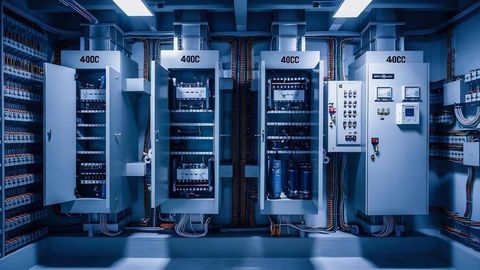
A typical station can include battery chargers, handling equipment, electrical connections, communication systems, safety controls, battery storage positions, sensors, and software for monitoring and coordination.
Conclusion
Industrial Battery Swapping Equipment combines removable batteries, charging systems, mechanical handling equipment, sensors, software, and safety controls to support continuous electric-vehicle operations. The technology is particularly relevant to industrial fleets where vehicle availability and predictable operating cycles are important. Recent international standards are placing greater emphasis on interoperability, electrical protection, communication security, and automated battery handling. As industrial and heavy-duty electrification develops worldwide, battery exchange systems are becoming an important area of engineering and infrastructure development.