Hydraulic Power Units for Oilfield Use: Guide to Systems and Practical Insights
Hydraulic Power Units for Oilfield Use are systems that generate, control, and deliver pressurized hydraulic fluid to equipment used in drilling, production, well intervention, and other oilfield activities. A hydraulic power unit, often called an HPU, normally combines a hydraulic pump, reservoir, motor or engine, valves, filters, gauges, controls, and related components.
Hydraulic systems transfer energy through pressurized fluid. Instead of using a mechanical drive directly at every point, a hydraulic power unit can generate pressure at one location and deliver controlled hydraulic power through hoses, pipes, valves, and manifolds.
Oilfield environments can require hydraulic equipment to operate under demanding conditions involving high pressure, vibration, temperature changes, dust, moisture, and continuous operation. HPU designs therefore vary according to the equipment, pressure requirements, fluid type, installation location, and operating conditions.
How an Oilfield HPU Works
The basic process begins with hydraulic fluid stored in a reservoir. A motor or engine drives the hydraulic pump, which draws fluid from the reservoir and pressurizes it.
The pressurized fluid then moves through control valves and hydraulic lines toward the connected equipment. Valves regulate flow direction, pressure, and movement according to the required operation.
After completing its task, the hydraulic fluid generally returns through a return circuit to the reservoir. The cycle can then continue.
A simplified hydraulic power sequence is:
Reservoir: Stores hydraulic fluid.
Prime mover: Supplies mechanical energy to the pump.
Pump: Converts mechanical energy into hydraulic flow.
Pressure-control components: Manage system pressure.
Directional valves: Control where fluid travels.
Actuators: Convert hydraulic energy into mechanical movement.
Return circuit: Carries fluid back toward the reservoir.
Filtration and cooling: Help maintain fluid condition and operating temperature.
Major HPU Components
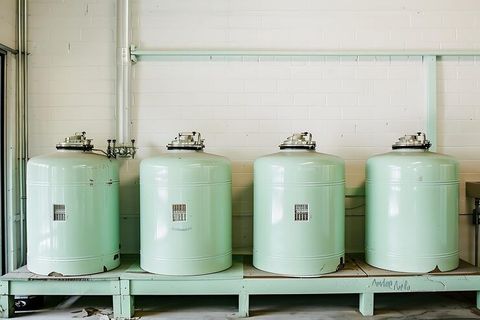
Hydraulic reservoir provides storage capacity and allows heat dissipation and separation of some contaminants from the fluid.
Hydraulic pump creates fluid flow. Common pump types include gear, vane, piston, and screw pumps, with selection depending on pressure, flow, efficiency, and application requirements.
Electric motor or diesel engine drives the pump. The choice depends on whether the HPU is installed in an electrically powered facility, mobile unit, offshore environment, or another location.
Control valves regulate pressure, direction, and flow. Different valve arrangements can control cylinders, motors, clamps, actuators, and other hydraulic equipment.
Accumulators store hydraulic energy and can provide short-duration flow support or help manage pressure fluctuations.
Filters remove particles from hydraulic fluid. Clean fluid is important because contamination can damage pumps, valves, seals, and other precision components.
Heat exchangers and coolers help control hydraulic-fluid temperature when operating conditions generate significant heat.
Importance
Powering Oilfield Equipment
Hydraulic Power Units for Oilfield Use can supply controlled hydraulic energy to equipment used in many parts of an oilfield operation. Applications can include wellhead equipment, drilling systems, well intervention equipment, hydraulic power tongs, pipe-handling equipment, BOP-related hydraulic systems, and other specialized machinery.
The exact application depends on the HPU configuration and the equipment being powered.
Supporting High-Force Movement
Hydraulic systems are widely used where controlled force and movement are required. A hydraulic cylinder, for example, can convert pressurized fluid into linear mechanical movement.
This principle is useful for opening, closing, clamping, lifting, positioning, and actuating equipment components.
Centralized Hydraulic Power
An HPU can provide hydraulic power from a centralized package instead of requiring a separate power source for every actuator.
This arrangement can simplify the hydraulic architecture of a larger system and allow pressure, flow, filtration, and monitoring functions to be managed from one package.
Pressure and Flow Control
Different oilfield operations require different hydraulic pressure and flow conditions. Properly selected pumps, valves, accumulators, and control systems allow the HPU to deliver hydraulic energy according to equipment requirements.
Pressure relief systems are particularly important because excessive pressure can damage components and create hazardous operating conditions.
Compact and Modular Designs
HPUs can be designed as compact skid-mounted packages, containerized units, mobile systems, or larger integrated packages.
The physical arrangement depends on available space, required hydraulic output, environmental conditions, accessibility, and the equipment being powered.
Common Applications
| Application | Hydraulic Role | Typical Function |
|---|---|---|
| Wellhead equipment | Actuation | Controlled opening and closing |
| BOP systems | Hydraulic control | Operating selected components |
| Drilling equipment | Actuation | Movement and positioning |
| Hydraulic tongs | Rotary hydraulic power | Pipe handling |
| Pipe-handling systems | Actuation | Positioning tubulars |
| Well intervention | Hydraulic control | Operating selected tools |
| Offshore equipment | Centralized power | Supporting hydraulic systems |
| Production equipment | Actuation | Controlling selected mechanisms |
Recent Updates
Electrification of Hydraulic Power Units
Electric-motor-driven HPUs are increasingly relevant where electrical power is available. Compared with combustion-engine-driven packages, electric systems can provide a different approach to power distribution and operating controls.
The appropriate configuration depends on the installation environment, electrical infrastructure, hazardous-area requirements, duty cycle, and hydraulic load.
Variable-Speed Pump Technology
Variable-speed drives can adjust pump operation according to hydraulic demand. Instead of operating at one fixed speed continuously, the drive can modify motor speed to match selected operating requirements.
This approach can reduce unnecessary hydraulic flow and heat generation in suitable applications. Actual energy performance depends on the complete hydraulic system and operating profile.
Digital Monitoring
Modern hydraulic systems can incorporate pressure sensors, temperature sensors, flow measurement, fluid-level monitoring, vibration measurement, and electronic controls.
Data from these sensors can be connected to supervisory systems for equipment monitoring. Operators can use this information to identify changes in pressure, temperature, or other operating conditions.
Remote Monitoring
Oilfield operations can involve equipment installed in locations that are difficult to access. Remote monitoring technologies can allow selected HPU parameters to be viewed from control rooms or other locations.
Remote monitoring does not eliminate the need for physical inspection. It provides additional information that can complement established inspection and maintenance procedures.
Condition Monitoring
Hydraulic pumps, motors, valves, hoses, and other components can experience wear or performance changes over time. Monitoring pressure, temperature, vibration, fluid condition, and other parameters can provide information about equipment condition.
Condition-based approaches are increasingly connected with digital maintenance systems and broader industrial data platforms.
Hydraulic Systems for Electrified Oilfield Equipment
As some oilfield equipment adopts electric drives and hybrid architectures, hydraulic systems can also be integrated into mixed power configurations.
For example, an electrically driven HPU may supply hydraulic power to equipment that still requires fluid-based actuation. This allows electrical and hydraulic technologies to operate together within the same installation.
Laws or Policies
International Oilfield Standards
Oilfield hydraulic systems can be influenced by standards and technical requirements from organizations such as the International Organization for Standardization, API, IEC, and classification bodies.
The applicable requirements depend on the equipment, installation, location, pressure level, hazardous-area classification, and operational purpose.
API Requirements
The American Petroleum Institute publishes standards covering many categories of oilfield equipment. API standards can address equipment design, manufacturing, testing, inspection, and operational considerations.
For hydraulic systems connected to specific oilfield equipment, the applicable API document depends on the equipment category and intended application.
Pressure Equipment Requirements
Hydraulic components can operate at substantial pressures, making pressure containment and protection important considerations.
Depending on jurisdiction and application, pressure equipment requirements may address design calculations, materials, testing, inspection, pressure relief, documentation, and conformity assessment.
Hazardous Areas
Oilfield facilities may contain areas where flammable gases or vapors can be present. Electrical components used in such areas may therefore need appropriate hazardous-location or explosive-atmosphere protection.
International frameworks such as the IEC 60079 series address equipment and protection methods for explosive atmospheres. Regional requirements can also apply.
Offshore Operations
Offshore oil and gas installations can face additional requirements because equipment operates in marine environments and may be subject to classification, structural, environmental, fire-safety, and operational rules.
Organizations such as DNV and other recognized classification societies publish technical rules relevant to offshore equipment and installations.
Environmental Considerations
Hydraulic fluid leaks can create environmental concerns, particularly offshore or near sensitive areas. System design can therefore include leak detection, containment, appropriate hose and fitting selection, fluid management, and inspection procedures.
The environmental requirements vary by jurisdiction, facility type, fluid category, and operating location.
Tools and Resources
Hydraulic Pressure Gauges
Pressure gauges provide direct information about hydraulic pressure at selected points in a circuit. Digital pressure sensors can also transmit readings to electronic control or monitoring systems.
Flow Meters
Flow measurement can help verify whether the hydraulic circuit is receiving the expected fluid flow. Changes in flow may indicate issues involving pumps, valves, restrictions, or other components.
Temperature Sensors
Hydraulic-fluid temperature can influence viscosity, component performance, and system reliability. Temperature sensors help operators monitor thermal conditions during operation.
Filtration Systems
Hydraulic filtration systems remove particles from fluid and help control contamination. Filters may be installed on suction, pressure, return, or offline filtration circuits depending on system design.
Accumulators
Hydraulic accumulators store pressurized fluid and can support selected functions such as temporary flow demand, pressure stabilization, pulsation reduction, and emergency hydraulic capacity.
Hydraulic Schematics
Hydraulic circuit diagrams show pumps, valves, actuators, reservoirs, filters, accumulators, and flow paths. They are important for understanding how an HPU connects to the equipment it powers.
Maintenance Monitoring
Maintenance platforms can record operating hours, pressure readings, temperature trends, filter changes, inspections, and component replacement history.
Combining these records with sensor information can provide a clearer picture of HPU operating conditions.
FAQs
What are Hydraulic Power Units for Oilfield Use?
Hydraulic Power Units for Oilfield Use are packages that generate and control pressurized hydraulic fluid for equipment used in drilling, production, well intervention, and other oilfield activities.
How does an oilfield hydraulic power unit work?
An HPU uses a motor or engine to drive a hydraulic pump. The pump pressurizes hydraulic fluid, which passes through valves and hydraulic lines to operate connected actuators or hydraulic equipment before returning to the reservoir.
What components are included in an oilfield HPU?
Typical components include a hydraulic reservoir, pump, motor or engine, valves, filters, pressure gauges, accumulators, hoses, control equipment, and temperature-management components.
Where are Hydraulic Power Units for Oilfield Use installed?
They can be installed on drilling equipment, wellhead systems, production facilities, offshore platforms, well-intervention equipment, pipe-handling systems, and other oilfield machinery requiring hydraulic power.
Why is hydraulic-fluid cleanliness important?
Contaminated hydraulic fluid can damage pumps, valves, seals, and other components. Filtration and appropriate fluid monitoring help maintain system condition and reduce contamination-related problems.
Conclusion
Hydraulic Power Units for Oilfield Use provide controlled hydraulic energy for a wide range of drilling, production, well-intervention, and material-handling applications. Their main components include pumps, reservoirs, motors, valves, filters, accumulators, sensors, and control systems that work together to generate and manage hydraulic power. Recent developments include electric drives, variable-speed pumping, digital monitoring, remote data collection, and condition monitoring. International standards, pressure requirements, hazardous-area rules, and environmental considerations all influence how oilfield HPUs are designed, installed, operated, and maintained.