Gas Turbines: Explore Power Generation Technology, Components, and Industrial Applications
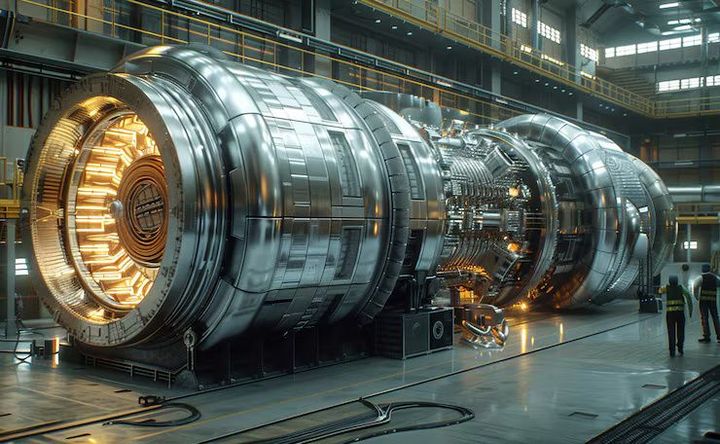
Gas Turbines are combustion-based machines that convert the energy of expanding hot gases into mechanical power. They are widely used in electricity generation, industrial operations, and other power applications. A typical system includes a compressor, combustion chamber, and turbine, with supporting controls and auxiliary equipment that help manage the overall operating process.
Gas Turbines: Explore Power Generation Technology, Components, and Industrial Applications
Gas Turbines are machines that convert energy from fuel combustion into mechanical power and, in many applications, electricity. They are used in power plants, industrial facilities, aviation-related systems, and other environments where a compact and continuous source of rotating power is required.
A gas turbine operates through a continuous sequence of air compression, fuel combustion, and gas expansion. Air enters the compressor and is compressed before moving into the combustion section. Fuel is introduced and burned, producing high-temperature gases that expand through turbine stages. The rotating turbine can then drive an electrical generator or another mechanical load.
Gas turbine technology has developed considerably through improvements in materials, combustion systems, digital controls, monitoring, and efficiency management. Different configurations are used depending on the required power output, operating conditions, fuel type, and application.
Context
The basic gas turbine cycle is commonly associated with the Brayton cycle. In a simplified arrangement, atmospheric air enters the compressor, where its pressure increases. The compressed air then enters the combustion chamber, where fuel is introduced and burned.
The resulting high-temperature gases expand through turbine stages. The turbine extracts energy from the gas flow and converts it into rotational motion. A portion of this rotational power drives the compressor, while the remaining power can be used for electricity generation or another mechanical application.
Main Gas Turbine Components
A gas turbine contains several major sections that work together.
| Component | Main Function |
|---|---|
| Air intake | Directs incoming air toward the compressor |
| Compressor | Raises the pressure of incoming air |
| Combustion chamber | Mixes fuel and compressed air for combustion |
| Turbine | Converts expanding gas energy into rotation |
| Exhaust system | Directs gases away from the turbine |
| Generator | Converts mechanical rotation into electricity |
| Control system | Monitors and manages operating conditions |
| Auxiliary systems | Support lubrication, cooling, fuel handling, and other functions |
The exact configuration varies according to the turbine design and intended application.
How Gas Turbines Work
The operating process can be explained in four broad stages.
1. Air intake: Ambient air enters the system through an intake arrangement that can include filtration and flow-control components.
2. Compression: The compressor increases the pressure of the incoming air. Compressor stages are designed to progressively raise air pressure before combustion.
3. Combustion: Fuel is introduced into the compressed air stream and ignited. The resulting gases reach high temperatures and expand rapidly.
4. Expansion: The hot gases pass through turbine stages, causing the turbine rotor to turn. The rotational power can drive a generator or another connected machine.
This continuous process allows gas turbines to operate as rotating power systems rather than through separate combustion events.
Gas Turbine Configurations
Gas turbines can be classified in several ways. Common power-generation configurations include simple-cycle systems and combined-cycle systems.
In a simple-cycle arrangement, the turbine's exhaust gases leave the system after passing through the turbine. In a combined-cycle plant, the exhaust heat is recovered through a heat-recovery system to produce steam that drives a separate steam turbine.
Industrial gas turbines can also be used for mechanical-drive applications, including compressors and pumps.
Importance
Gas Turbines are important in power generation because they can provide substantial rotating power from a relatively compact machine arrangement. Their characteristics make them suitable for several types of electrical and industrial applications.
Electricity Generation
Gas turbines can drive electrical generators in power plants. They may be used as standalone generation units or combined with steam-cycle equipment to form combined-cycle power plants.
Their role can vary from supporting grid generation to providing power for industrial facilities.
Industrial Mechanical Power
Not every gas turbine drives an electrical generator. Some are connected directly to large compressors, pumps, or other rotating equipment.
This arrangement is particularly relevant in industries where continuous mechanical power is required.
Flexible Operating Roles
Gas turbine systems can be configured for different operating patterns. Some installations are designed for rapid changes in output, while others operate for longer periods as part of a larger power-generation system.
The appropriate operating strategy depends on plant design, grid requirements, fuel characteristics, and equipment configuration.
Combined Heat and Power
In some industrial applications, the heat contained in turbine exhaust gases can be recovered for useful purposes. Combined heat and power arrangements can use this thermal energy for processes such as steam generation or heating.
This allows a single fuel input to support both electrical and thermal requirements.
Compact Power Systems
Compared with some other large power-generation technologies, gas turbine systems can provide significant power from a relatively compact equipment arrangement.
This characteristic has contributed to their use in locations where available space, installation configuration, and power requirements influence plant design.
Recent Updates
From 2024 through 2026, gas turbine technology has continued to develop around efficiency improvements, digital monitoring, flexible operation, emissions management, and fuel flexibility.
Digital Monitoring
Modern turbines use extensive sensor networks to monitor temperatures, pressures, vibration, rotational conditions, and other operating parameters.
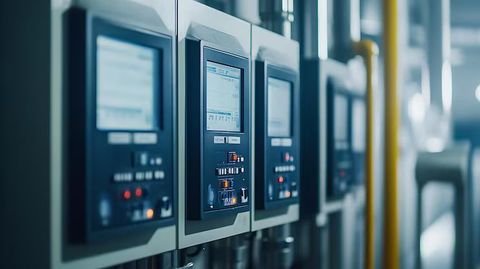
Digital control platforms can collect this information and present operating conditions through centralized interfaces. This supports equipment monitoring and operational decision-making.
Predictive Monitoring
Data from turbine sensors can also be analyzed to identify changes in equipment behavior. Trend monitoring can help engineers recognize unusual operating patterns and investigate them before they develop into larger operational problems.
The effectiveness of these systems depends on sensor quality, data availability, equipment design, and the analytical methods used.
Improved Combustion Systems
Combustion technology continues to receive attention because the combustion process affects efficiency, operating stability, fuel flexibility, and emissions.
Modern combustion systems can use advanced fuel and air management techniques to control the combustion environment while maintaining stable turbine operation.
Fuel Flexibility
Gas turbine technology is increasingly being evaluated for operation with different gaseous fuels and evolving fuel mixtures. Hydrogen and hydrogen-containing fuel blends have received particular attention in power-generation research and development.
Actual compatibility depends on turbine design, fuel composition, combustion technology, emissions requirements, and manufacturer specifications.
Heat Recovery
Combined-cycle systems continue to use heat-recovery equipment to capture energy from turbine exhaust gases. Improvements in heat-recovery systems, steam cycles, and plant controls can contribute to more effective use of available thermal energy.
Laws or Policies
Gas Turbine installations are subject to multiple requirements covering workplace safety, electrical systems, fuel handling, emissions, environmental protection, and equipment operation. Specific requirements differ by country and application.
Environmental Requirements
Combustion-based power systems can produce atmospheric emissions, including nitrogen oxides and carbon dioxide. Facilities may therefore need to comply with applicable air-quality and environmental regulations.
The required limits and monitoring procedures depend on local legislation, plant capacity, fuel type, location, and operating conditions.
Workplace Safety
Gas turbine facilities contain high-temperature gases, rotating machinery, pressurized systems, fuel systems, and electrical equipment. Safety programs commonly address guarding, emergency shutdown systems, fire protection, access controls, and operator training.
Personnel should follow the applicable workplace and machinery safety requirements for the installation.
Fuel-System Safety
Fuel handling requires appropriate controls because gaseous and liquid fuels can present fire and explosion hazards. Gas detection, ventilation, isolation systems, pressure controls, and emergency procedures may form part of a plant's safety arrangements.
The specific requirements depend on the fuel and facility configuration.
Electrical Safety
Where gas turbines drive generators, electrical systems require appropriate protection and operating procedures. Generator equipment, switchgear, transformers, cabling, and control systems must be designed and maintained according to applicable electrical requirements.
Inspection and Documentation
Large turbine installations require technical documentation covering operating procedures, equipment specifications, safety systems, inspections, and maintenance activities.
Regulatory inspections may also apply depending on the jurisdiction and type of facility.
Tools and Resources
Gas turbine operation depends on a combination of mechanical equipment, measurement systems, control technologies, and maintenance resources.
Supporting Equipment
Common supporting systems include:
Air filtration equipment
Fuel-control systems
Lubrication systems
Cooling systems
Starting systems
Exhaust equipment
Vibration monitoring devices
Generator systems
Electrical switchgear
Fire and gas detection systems
Control and instrumentation systems
Each supporting system contributes to the safe and stable operation of the overall installation.
Monitoring Instruments
Temperature and pressure sensors are important for monitoring turbine operating conditions. Vibration sensors can provide information about rotating components, while flow measurements help track air and fuel conditions.
Control systems combine information from multiple sensors to regulate turbine operation.
Maintenance Resources
Maintenance planning can include inspection of compressor components, combustion equipment, turbine sections, bearings, seals, lubrication systems, and auxiliary equipment.
Technical manuals, inspection records, operating data, and condition-monitoring systems can support maintenance planning.
Key Selection Considerations
When evaluating a gas turbine system, several factors are relevant.
| Consideration | Why It Matters |
|---|---|
| Power output | Defines the required generation or mechanical capacity |
| Fuel type | Influences combustion and fuel-system design |
| Operating pattern | Affects turbine configuration and controls |
| Ambient conditions | Temperature and air quality influence operation |
| Emissions requirements | Determines combustion and emissions-control needs |
| Heat recovery | Determines whether exhaust energy can support another process |
| Maintenance strategy | Influences monitoring and inspection requirements |
| Grid connection | Matters for electricity-generation applications |
These factors help determine the appropriate turbine arrangement for a particular installation.
FAQs
What are Gas Turbines?
Gas Turbines are rotating machines that convert energy from fuel combustion into mechanical power. The mechanical output can drive an electrical generator, compressor, pump, or other equipment.
How do Gas Turbines generate electricity?
A gas turbine burns fuel in compressed air to create high-temperature gases. These gases expand through turbine stages and rotate the turbine shaft, which drives an electrical generator.
What are the main components of Gas Turbines?
The principal components include the air intake, compressor, combustion chamber, turbine, exhaust system, and control equipment. Power-generation systems also include an electrical generator and related equipment.
What is a combined-cycle Gas Turbine system?
A combined-cycle system uses a gas turbine as the first power-generation stage and recovers heat from its exhaust to produce steam. The steam can then drive a separate steam turbine to generate additional electricity.
Where are Gas Turbines used?
Gas Turbines are used in electricity generation and industrial mechanical-drive applications. They can drive generators, compressors, pumps, and other rotating equipment depending on the installation.
Conclusion
Gas Turbines convert the energy released through combustion into mechanical rotation and, in many applications, electricity. Their core sections include the compressor, combustion system, turbine, exhaust arrangement, and control systems. Recent technology developments have focused on digital monitoring, combustion improvements, fuel flexibility, emissions management, and heat recovery. Their final configuration depends on power requirements, fuel characteristics, operating conditions, environmental requirements, and the intended industrial application.