Gas Scrubbers: Discover Emission Control Technology and Industrial Gas Treatment
Gas scrubbers are industrial systems designed to remove selected contaminants from gas streams before they are released or sent to another processing stage. They are used in chemical plants, manufacturing facilities, power generation, waste treatment, and other industries. Modern scrubbers combine vessels, pumps, nozzles, filters, monitoring equipment, and control systems to support controlled gas treatment.
Gas Scrubbers: Discover Emission Control Technology and Industrial Gas Treatment
Gas scrubbers are industrial emission-control systems used to treat gases by removing or reducing selected contaminants from an air or process-gas stream. Depending on their design, they can capture particulate matter, acidic compounds, soluble gases, vapors, and other substances from industrial exhaust streams.
Scrubbing technology is used across many industries because different production processes can generate gases that require treatment before discharge or further processing. Chemical manufacturing, metal processing, power generation, waste treatment, food processing, and other industrial operations may use gas-treatment systems as part of their environmental and process-control arrangements.
There are several types of gas scrubbers, with wet scrubbers being among the most widely recognized. Wet systems bring a liquid into contact with the gas stream so that selected contaminants can be absorbed, reacted with, or captured. Dry and semi-dry systems use different mechanisms and materials for gas treatment.
The appropriate system depends on the composition and temperature of the gas, contaminant characteristics, required removal performance, moisture requirements, available space, and applicable environmental regulations.
Context
A gas scrubber is generally installed within a process exhaust or gas-treatment pathway. The contaminated gas enters the scrubber, comes into contact with a treatment medium, and leaves after selected contaminants have been captured or transformed.
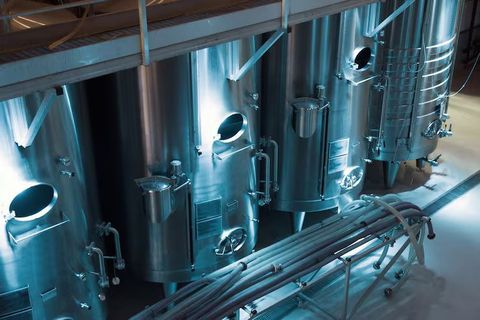
In a wet scrubber, the treatment liquid may be distributed through spray nozzles, packed sections, trays, or other contact arrangements. The gas and liquid interact inside the vessel, allowing targeted contaminants to transfer from the gas phase into the liquid.
Dry scrubbers use solid or powdered materials to react with or capture certain contaminants. Semi-dry systems introduce a liquid into the gas stream while allowing the resulting moisture to evaporate under controlled conditions.
Main Components
The exact configuration varies by application, but common components include:
| Component | Main Function |
|---|---|
| Scrubber vessel | Provides the main gas-treatment space |
| Spray nozzles | Distribute liquid in wet systems |
| Packing or contact media | Increases gas-liquid contact |
| Circulation pump | Moves treatment liquid through the system |
| Demister | Removes entrained liquid droplets |
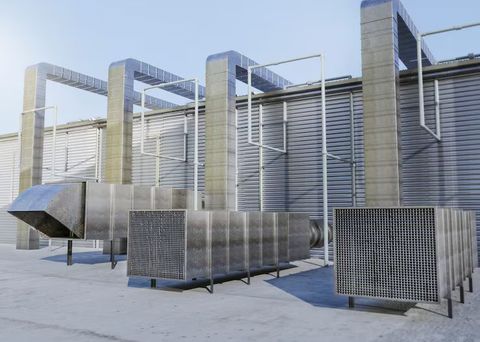
| Ductwork | Transfers gas between process stages |
| Fans or blowers | Maintain gas movement through the system |
| Monitoring instruments | Track operating conditions |
| Control system | Coordinates equipment operation |
Additional equipment can include tanks, dosing systems, valves, heat exchangers, filters, separators, and wastewater-treatment arrangements.
How Gas Scrubbers Work
The basic principle is contact between the contaminated gas and a treatment medium.
In a wet scrubber, the gas enters the vessel while a liquid is introduced through nozzles or another distribution system. Contaminants that are soluble in the liquid can transfer from the gas into the liquid.
For reactive contaminants, chemicals may be added to the liquid to promote a controlled reaction. The resulting liquid then moves through a collection and treatment system.
Particle-removal scrubbers operate somewhat differently. Droplets or other mechanisms capture suspended particles, which are subsequently separated from the liquid or gas stream.
The treated gas passes through the outlet, often after a droplet-removal stage.
Importance
Gas scrubbers play an important role in controlling emissions from industrial processes. Their value comes from their ability to address specific contaminants within a controlled treatment system.
Emission Control
Industrial processes can generate gases containing acidic compounds, particulate matter, vapors, or other substances. A properly designed scrubber can reduce selected pollutants before the gas reaches an exhaust point.
The actual removal capability depends on the contaminant, equipment configuration, operating conditions, and treatment medium.
Chemical Processing
Chemical manufacturing can involve reactions that generate process gases requiring treatment. Scrubbers can be integrated with reactors, storage systems, production lines, and exhaust networks.
Different chemical compounds may require different treatment liquids, contact arrangements, or materials of construction.
Manufacturing Operations
Manufacturing facilities can use gas-treatment equipment for fumes, dust, vapors, and other process emissions. The application may involve metalworking, surface treatment, material processing, or other operations.
The scrubber is normally designed around the characteristics of the specific exhaust stream rather than used as a universal solution.
Waste Treatment
Waste-processing operations can generate gases with unpleasant or hazardous characteristics. Scrubbing systems can form part of a broader gas-treatment train used to manage selected contaminants.
Additional filtration, biological treatment, adsorption, or thermal processes may be combined with scrubbing where required.
Process Gas Treatment
Scrubbers can also be used when the objective is process control rather than only atmospheric emission management. Removing selected compounds from a gas stream can support downstream processing or protect other equipment.
This makes scrubbers relevant to both environmental-control systems and industrial gas-handling arrangements.
Recent Updates
Gas scrubber technology continues to develop through improvements in process monitoring, automated controls, energy management, materials, and system integration.
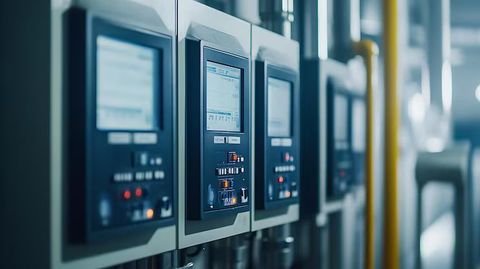
Modern installations increasingly use sensors and digital control systems to monitor pressure, temperature, liquid flow, pH, concentration, and other operating conditions.
Automated Process Control
Control systems can coordinate pumps, valves, fans, dosing equipment, and other components according to operating conditions.
Automated controls can help maintain specified liquid-flow rates or chemical conditions while reducing unnecessary manual adjustments.
Advanced Monitoring
Sensors can provide continuous information about important scrubber parameters. Depending on the application, monitoring may include:
Gas temperature
Gas pressure
Liquid flow
Differential pressure
Liquid pH
Chemical concentration
Fan operation
Pump condition
Monitoring trends can help operators identify changes in system behavior and support maintenance planning.
Improved Contact Design
The efficiency of gas-liquid contact is strongly influenced by internal equipment design. Modern systems can use optimized spray arrangements, packing materials, trays, or other contact technologies.
These improvements are intended to provide appropriate contact between the gas and treatment medium while considering pressure drop and liquid circulation requirements.
Materials and Corrosion Management
Some gas streams and treatment liquids can be highly corrosive. Scrubber vessels, piping, pumps, and internal components therefore need materials appropriate for the operating environment.
Material selection may involve corrosion-resistant metals, engineered plastics, coatings, or specialized linings depending on the process.
System Integration
Scrubbers are increasingly integrated with broader environmental and process-control systems. Data from scrubber instrumentation can be connected to plant monitoring platforms, allowing operating conditions to be reviewed alongside other process information.
Integration can support coordinated control of fans, pumps, dosing systems, and downstream equipment.
Laws or Policies
Gas scrubber installations can be subject to environmental, workplace-safety, chemical-handling, electrical, and equipment requirements. The applicable rules depend on the country, industry, facility, contaminants, and emission source.
Environmental regulations may establish limits or monitoring requirements for specific pollutants. Facilities may therefore need appropriate measurement, recordkeeping, inspection, and reporting procedures.
Environmental Compliance
A scrubber should be selected and operated according to the characteristics of the regulated emission stream. Regulatory requirements can address pollutants such as particulate matter, acidic gases, volatile compounds, or other substances depending on the industry.
Compliance is determined by the complete installation and operating practices, not simply by the presence of a scrubber.
Workplace Safety
Scrubber systems may involve chemicals, pressurized equipment, moving machinery, electrical systems, and hot gases.
Important safety practices can include:
Following chemical-handling procedures
Inspecting pumps, valves, and piping
Monitoring pressure and temperature
Maintaining appropriate guarding
Using suitable protective equipment
Following equipment isolation procedures
Providing adequate ventilation where required
Training personnel in operating and emergency procedures
Waste and Liquid Management
Wet scrubbers produce a liquid stream that may contain captured contaminants or reaction products. This liquid may require treatment before discharge, reuse, or further processing.
Facilities should manage scrubber wastewater and collected solids according to applicable environmental and waste-management requirements.
Tools and Resources
Supporting equipment and measurement systems are important for maintaining appropriate scrubber operation.
Pumps and Circulation Systems
Wet scrubbers depend on pumps to move treatment liquid through the system. Pump selection considers liquid properties, flow requirements, pressure conditions, temperature, and material compatibility.
Stable liquid circulation is important because inadequate distribution can affect gas-liquid contact.
Fans and Blowers
Fans or blowers move the gas through the scrubber and connected ductwork. Their operating characteristics must match the pressure drop created by the complete gas-treatment system.
Changes in differential pressure can indicate alterations in system conditions, such as fouling or blockage.
Monitoring Instruments
Measurement equipment can monitor gas and liquid conditions. Common instruments include pressure sensors, flow meters, temperature sensors, pH meters, and concentration-monitoring devices.
Continuous data can help operators understand whether the system is operating within its intended range.
Demisters and Separators
Wet scrubbers often use demisters to remove liquid droplets carried by the treated gas. These components help prevent excessive liquid carryover into downstream ductwork or exhaust systems.
Proper inspection and cleaning are important where deposits can accumulate.
Maintenance Resources
Maintenance activities can include inspection of nozzles, pumps, valves, ducts, packing, demisters, sensors, and vessel interiors.
Technical manuals, equipment drawings, operating procedures, inspection records, and maintenance schedules provide important resources for managing the system.
FAQs
What are gas scrubbers used for?
Gas scrubbers are used to remove or reduce selected contaminants from industrial gas streams. Applications include emission control, chemical processing, manufacturing, waste treatment, and process-gas treatment.
How do gas scrubbers remove contaminants?
Gas scrubbers bring a contaminated gas stream into contact with a treatment medium. Wet systems use liquids, while dry and semi-dry systems use other treatment materials. The selected contaminant is captured, absorbed, reacted with, or otherwise separated from the gas.
What are the main types of gas scrubbers?
Common categories include wet scrubbers, dry scrubbers, and semi-dry scrubbers. Wet scrubbers themselves can use spray chambers, packed beds, tray arrangements, or other contact methods.
What factors affect gas scrubber performance?
Performance can be affected by gas composition, contaminant concentration, gas temperature, gas flow, liquid flow, contact area, pressure drop, treatment-medium characteristics, and equipment condition.
Do gas scrubbers produce wastewater?
Wet gas scrubbers can produce a liquid stream containing captured contaminants or reaction products. Depending on its composition, the liquid may require treatment, reuse, or controlled disposal under applicable environmental requirements.
Conclusion
Gas scrubbers are important systems for treating selected contaminants in industrial gas streams. Their applications extend across chemical processing, manufacturing, waste treatment, power generation, and other industrial operations.
Wet, dry, and semi-dry technologies provide different approaches to gas treatment, while modern systems increasingly incorporate automated controls, sensors, improved contact arrangements, and corrosion-resistant materials. Proper system design, monitoring, maintenance, and compliance with applicable environmental and safety requirements are essential for effective operation.