Gas Dehydration Units: Guide to Processing Systems and Practical Insights
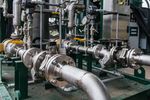
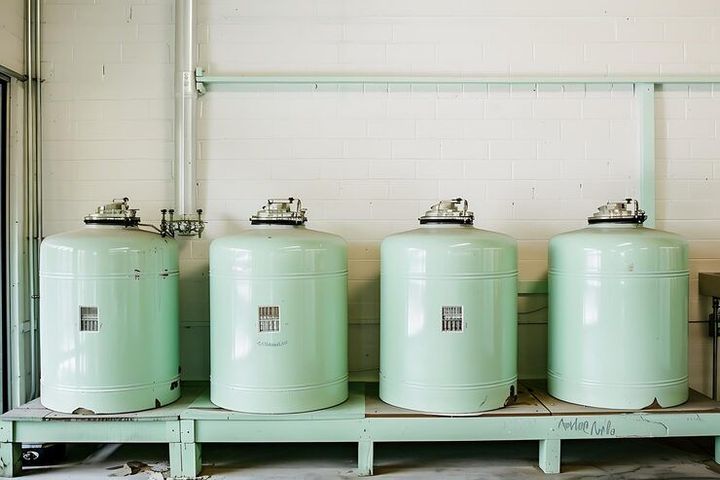
Gas Dehydration Units are processing systems used to remove water vapor from natural gas. Water is naturally present in many gas streams coming from wells and production facilities. If excessive moisture remains in the gas, it can create operational problems in pipelines, compressors, valves, and downstream processing equipment.
A common approach uses triethylene glycol, usually called TEG, as a liquid desiccant. The wet natural gas enters a contactor, where it comes into contact with circulating TEG. The glycol absorbs water from the gas, allowing the drier gas to leave the contactor. The water-rich glycol is then regenerated and circulated back through the system.
Why Natural Gas Needs Dehydration
Water vapor can condense when gas temperature or pressure changes. Under appropriate pressure and temperature conditions, water can also contribute to the formation of hydrates, which are solid crystalline structures involving water and natural-gas components.
Hydrates can restrict or block pipelines, valves, wellbores, and other equipment. Removing moisture helps maintain gas flow and supports downstream processing requirements.
Basic Dehydration Process
A typical glycol dehydration system follows a repeating cycle:
Wet gas entry: Natural gas containing water vapor enters the contactor.
Gas-glycol contact: Wet gas moves through the contactor while lean TEG flows in the opposite direction.
Water absorption: TEG absorbs water from the gas.
Dry gas exit: Dehydrated gas leaves the upper part of the contactor.
Rich glycol circulation: Water-rich TEG moves toward the regeneration section.
Regeneration: Heat removes absorbed water from the glycol.
Lean glycol return: Regenerated TEG returns to the contactor.
The exact arrangement varies according to gas composition, pressure, flow rate, required moisture specification, and plant design.
Main Types of Dehydration Systems
Glycol dehydration units use a liquid glycol such as TEG to absorb water. TEG is widely used in natural-gas processing.
Solid desiccant systems use moisture-absorbing materials in vessels. These systems can achieve very low moisture levels when deep dehydration is required.
Deliquescent desiccant systems use moisture-absorbing salts that remove water from gas. Their performance depends on the desiccant, gas pressure, and temperature.
Membrane dehydration systems use selective membrane materials to separate water vapor from natural gas. They can be considered for selected applications where compact equipment or particular process conditions are important.
Importance
Pipeline Protection
Moisture control is important for natural-gas transportation. Water can contribute to corrosion and hydrate formation, both of which can interfere with pipeline operation.
Gas dehydration therefore forms part of the broader gas-conditioning process before gas enters certain transmission systems.
Maintaining Gas Quality
Pipeline operators establish gas-quality requirements that can include limits for water content and other components. A dehydration unit helps gas processors meet the required moisture specification for a particular transportation or processing system.
Requirements vary between pipeline networks and regions, so dehydration equipment must be designed around the applicable specification.
Protecting Downstream Equipment
Compressors, valves, meters, heat exchangers, and other equipment can be affected by excessive water or hydrate formation.
Removing water upstream can reduce the likelihood of moisture-related operating problems and help maintain reliable process conditions.
Supporting Gas Processing
Gas dehydration is often one part of a larger natural-gas processing arrangement. A facility may also contain separators, compressors, acid-gas removal equipment, hydrocarbon recovery systems, metering equipment, and other process units.
The dehydration stage is positioned according to the composition and pressure of the incoming gas and the requirements of subsequent processing stages.
Major Components
| Component | Main Function | Typical Role |
|---|---|---|
| Inlet separator | Removes liquids and solids | Protects downstream equipment |
| Contactor | Brings gas and glycol into contact | Removes water vapor |
| Glycol pump | Circulates glycol | Maintains process flow |
| Heat exchanger | Transfers heat between streams | Improves energy use |
| Reboiler | Heats rich glycol | Removes absorbed water |
| Regenerator | Restores glycol concentration | Produces lean glycol |
| Filters | Remove contaminants | Protect glycol quality |
| Gas outlet | Carries dehydrated gas | Sends gas downstream |
Recent Updates
Greater Attention to Methane Emissions
Modern gas-processing discussions increasingly consider emissions from dehydration equipment. During TEG regeneration, absorbed methane and other compounds can leave with water vapor from the regeneration process. Gas-assist glycol pumps can also introduce additional gas emissions.
This has encouraged operators to examine equipment configuration, glycol circulation, vapor recovery, and other emission-reduction approaches.
Electric Glycol Circulation Pumps
Electric glycol circulation pumps are one technology option for reducing emissions associated with gas-assist pumps where reliable electrical power is available.
The U.S. Environmental Protection Agency notes that replacing a gas-assist circulation pump with an electric motor-driven pump eliminates the separate assist-gas stream associated with the pneumatic pumping arrangement.
Optimized Glycol Circulation
TEG circulation needs to match the operating conditions of the dehydration system. Excessive circulation can increase energy use and the amount of methane and other compounds carried into the regeneration stage.
EPA guidance notes that some dehydrators continue operating at circulation rates designed for higher production levels even after gas production declines. Optimizing circulation while maintaining appropriate contactor performance can therefore be an important operational consideration.
Improved Vapor Management
Some dehydration systems incorporate condensers, separators, vapor recovery arrangements, or other equipment to manage gases released during glycol regeneration.
EPA guidance describes approaches for rerouting skimmer gas from selected glycol systems rather than allowing it to be directly released.
Alternative Dehydration Technologies
Although TEG remains widely used, alternative approaches continue to be relevant for particular applications. Solid desiccants, membrane systems, and hydrate-inhibition techniques can be evaluated according to gas composition, pressure, moisture specification, footprint, and operating requirements.
Technology selection depends heavily on the process conditions rather than on a single universal configuration.
Laws or Policies
International Gas Quality Requirements
Natural-gas dehydration is influenced by pipeline specifications and national regulations. Gas transmission operators commonly establish requirements for moisture content and other gas characteristics before gas enters their networks.
These specifications differ between countries and individual pipeline systems. Engineers therefore need to identify the applicable gas-quality specification during process design.
Pipeline Safety Frameworks
Pipeline regulations commonly address design, operation, inspection, integrity management, emergency procedures, and technical requirements.
In the United States, federal pipeline regulation is administered by the Pipeline and Hazardous Materials Safety Administration, while other countries have their own regulatory authorities and technical frameworks.
Environmental Emissions
Gas dehydration systems may fall under environmental requirements relating to methane, volatile organic compounds, hazardous air pollutants, combustion equipment, or other emissions.
The applicable requirements depend on the country, facility type, emissions profile, and regulatory jurisdiction.
India and Other Gas Markets
Regulatory frameworks vary internationally. In India, the Petroleum and Natural Gas Regulatory Board maintains technical and safety regulations covering areas such as natural-gas pipelines and petroleum refineries and gas processing plants. Its current regulatory listings include amendments through 2025 and 2026.
PNGRB material has also identified dehydration facilities as part of gas transportation arrangements and emphasized moisture monitoring in natural-gas systems.
Operators in other countries must refer to their applicable pipeline, environmental, process-safety, and facility regulations.
Tools and Resources
Gas Moisture Analyzers
Moisture analyzers measure water content in gas streams. Continuous analyzers can provide information about gas quality and help operators identify changes in dehydration performance.
Dew-Point Monitoring
Dew-point measurements indicate the temperature at which water or hydrocarbons may begin to condense under specified pressure conditions. Monitoring dew point can help assess whether treated gas meets the required specification.
Glycol Circulation Monitoring
Flow meters and control systems can track TEG circulation. This information can be compared with gas flow and process conditions to maintain appropriate circulation.
Process Simulation Software
Process simulation tools can model gas composition, pressure, temperature, glycol circulation, regeneration, and equipment behavior.
These tools are commonly used during engineering studies and can help evaluate different process configurations.
Gas Chromatography
Gas chromatography can analyze the composition of natural gas. Information about methane, heavier hydrocarbons, carbon dioxide, nitrogen, and other components can help engineers understand how the gas may behave during processing.
Corrosion Monitoring
Corrosion monitoring equipment can track conditions associated with pipeline and equipment degradation. Moisture control is one part of a wider corrosion-management approach.
Regulatory and Technical Resources
Useful resources include national pipeline regulators, environmental agencies, ISO standards, gas-industry technical organizations, and equipment documentation.
For international projects, engineers typically need to combine local regulations with applicable technical standards and the specifications of the receiving pipeline or processing facility.
FAQs
What are Gas Dehydration Units?
Gas Dehydration Units are processing systems designed to remove water vapor from natural gas. TEG-based systems are widely used for this purpose.
How do Gas Dehydration Units work?
In a typical TEG system, wet gas enters a contactor and comes into contact with lean glycol. The glycol absorbs water, while dehydrated gas exits the contactor. The water-rich glycol is then heated and regenerated before returning to the contactor.
Why is water removed from natural gas?
Water removal helps reduce the risk of hydrate formation, corrosion, condensation, and moisture-related operating problems in pipelines and processing equipment.
What is TEG in gas dehydration?
TEG stands for triethylene glycol. It is a liquid desiccant that absorbs water from natural gas and can then be regenerated through heating for repeated circulation.
Are there alternatives to glycol dehydration?
Yes. Depending on process conditions, alternatives can include solid desiccants, deliquescent systems, membranes, and hydrate-inhibition methods. The appropriate approach depends on gas composition, pressure, temperature, moisture requirements, and facility design.
Conclusion
Gas Dehydration Units are an important part of natural-gas processing because they remove water vapor before gas moves through pipelines or enters downstream equipment. TEG systems remain widely used, while solid desiccants, membranes, improved vapor management, and electrically driven glycol pumps provide additional approaches for specific applications. Recent attention has also focused on moisture monitoring, process optimization, methane emissions, and energy use. Because gas-quality, pipeline, environmental, and safety requirements vary by region, dehydration systems must be designed around the applicable technical and regulatory framework.