Gas Compressors: Explore Compression Technology, Equipment Types, and Industrial Applications
Gas Compressors are machines designed to increase the pressure of gases for transportation, storage, processing, and industrial operations. They use mechanical systems to reduce gas volume and raise pressure through controlled compression. Modern gas compressor systems combine compressors, drives, valves, cooling equipment, monitoring instruments, and control systems for different industrial and energy applications.
Gas Compressors: Explore Compression Technology, Equipment Types, and Industrial Applications
Context
Gas Compressors are machines used to increase the pressure of gases by reducing their volume or applying mechanical compression. They are important in systems where gases need to be transported, processed, stored, circulated, or maintained at a particular pressure.
Gas compression is used across natural gas processing, chemical manufacturing, petrochemical facilities, refrigeration, industrial production, energy infrastructure, and other applications. The required compressor type depends on gas properties, pressure requirements, flow rate, operating temperature, and the overall system design.
A gas compressor normally works as part of a larger system rather than as an isolated machine. Supporting equipment may include drivers, coolers, separators, valves, piping, lubrication systems, instrumentation, and control equipment.
Basic Compression Process
The general compression process involves several stages:
Gas enters the compressor through an inlet system.
The compressor applies mechanical energy to the gas.
Gas pressure increases as its volume is reduced or as it passes through compression stages.
Heat generated during compression may be managed through cooling equipment.
The compressed gas leaves through the discharge system.
Valves and control equipment regulate operating conditions.
Monitoring systems track pressure, temperature, flow, vibration, and other parameters.
The exact process varies according to compressor technology and application.
Main Components
Gas Compressors can contain numerous mechanical and control components.
| Component | Main Function |
|---|---|
| Compressor body | Contains the compression mechanism |
| Driver | Provides mechanical power |
| Inlet system | Directs gas into the compressor |
| Discharge system | Transfers compressed gas onward |
| Valves | Control gas flow |
| Cooling system | Manages heat generated during compression |
| Lubrication system | Supports moving components where applicable |
| Seals | Help control gas leakage |
| Sensors | Monitor operating conditions |
| Control system | Coordinates compressor operation |
Types of Gas Compressors
Gas compressors are commonly classified as positive-displacement or dynamic compressors.
Positive-displacement compressors trap a quantity of gas and mechanically reduce its volume. Reciprocating and rotary screw compressors are common examples.
Dynamic compressors continuously accelerate gas and convert velocity into pressure. Centrifugal compressors are widely used in applications requiring substantial gas flow.
Other compressor configurations include rotary vane, scroll, axial, and specialized compressor designs.
The appropriate technology depends on pressure ratio, flow requirements, gas composition, operating conditions, and application.
Importance
Gas Compressors are important because many industrial systems require gases to move through pipelines or equipment at controlled pressures.
Gas Transportation
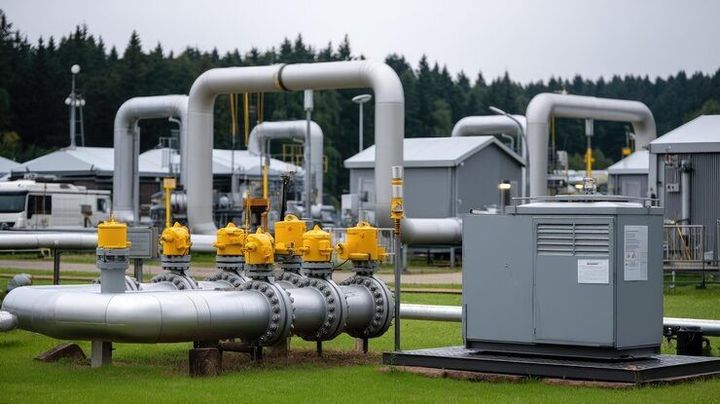
Gas pipelines require pressure management to move gas over long distances. Compressor stations can maintain suitable pressure as gas travels through transportation networks.
Compressor performance depends on flow conditions, pipeline characteristics, gas properties, and operating requirements.
Natural Gas Processing
Gas compression is widely used in natural gas processing facilities. Compressors can support gathering, processing, transmission, storage, and other stages of gas handling.
Different compressor arrangements may be used depending on inlet and discharge pressure requirements.
Industrial Processing
Chemical and petrochemical facilities use compressed gases in various processes. Gas compressors can support process circulation, gas transfer, chemical reactions, and other operations.
The compressor must be compatible with the gas being handled and the required operating conditions.
Refrigeration Systems
Some refrigeration systems use compressors to circulate refrigerant through the refrigeration cycle. The compressor raises refrigerant pressure before the refrigerant moves through the condenser and other components.
The compressor design depends on refrigerant characteristics and system requirements.
Gas Storage
Compression can be used to prepare gases for storage systems. The appropriate pressure range and equipment configuration depend on the storage method and gas characteristics.
Storage systems also require appropriate valves, monitoring, pressure protection, and safety arrangements.
Process Control
Maintaining the required gas pressure can be important for stable industrial processes. Control systems can adjust compressor operation according to pressure, flow, temperature, and other process measurements.
Recent Updates
Recent developments in Gas Compressors have focused on digital monitoring, variable-speed operation, improved controls, condition monitoring, energy management, and equipment integration.
Digital Controls
Modern compressor systems increasingly use electronic control platforms to monitor and regulate operating conditions. Operators can view pressure, temperature, speed, flow, vibration, and other measurements through centralized interfaces.
Digital controls can also coordinate compressor operation with supporting equipment.
Variable-Speed Operation
Variable-speed drives can allow compressor speed to change according to system demand. This can provide greater operational flexibility compared with equipment operating at a fixed speed.
The suitability of variable-speed operation depends on compressor design, driver type, process requirements, and operating range.
Condition Monitoring
Sensors can monitor vibration, bearing temperature, lubrication conditions, discharge temperature, pressure, and other parameters.
Condition monitoring can help identify changes in equipment behavior and support maintenance planning.
Energy Management
Compression can require substantial mechanical energy, making energy management an important consideration in industrial systems.
Modern systems may use improved compressor designs, variable-speed drives, optimized controls, and system-level monitoring to manage energy use.
Improved Sealing
Gas compressors may require sealing systems to control leakage around rotating or reciprocating components. Developments in sealing technologies can support equipment containment and operating reliability.
Seal selection depends on gas characteristics, pressure, temperature, shaft arrangement, and compressor configuration.
Remote Monitoring
Connected compressor systems can transmit operating information to centralized monitoring platforms. Remote data access can help technical teams review equipment conditions and operating trends.
The available features depend on the compressor control system and industrial network.
Laws or Policies
Gas Compressors may be subject to machinery safety, pressure equipment, electrical, environmental, workplace, and gas-handling requirements. The applicable regulations vary according to location, industry, gas type, and installation.
Pressure Safety
Compressed gas systems operate under elevated pressure. Compressor casings, piping, valves, vessels, and other pressure-containing components therefore require appropriate design, inspection, and protection.
Pressure relief devices and related safety systems should comply with applicable regulations and technical requirements.
Gas Leakage
Gas leakage can create safety, environmental, or process risks depending on the gas being handled. Suitable seals, ventilation, gas detection, isolation systems, and maintenance procedures may be required.
Facilities handling flammable gases may have additional requirements for hazardous areas and ignition-source control.
Electrical Safety
Gas compressor installations commonly contain motors, electrical panels, sensors, control systems, and other electrical equipment.
Where gases create potentially hazardous environments, electrical equipment may need to meet requirements applicable to the designated area.
Environmental Requirements
Certain gases and compression systems may be subject to environmental requirements concerning emissions, leakage, energy consumption, noise, and equipment operation.
Facilities should identify the environmental rules applicable to their particular gas and process.
Workplace Safety
Operators and maintenance personnel may encounter high-pressure equipment, rotating machinery, hot surfaces, noise, and other hazards.
Appropriate guarding, emergency shutdown systems, personal protective equipment, training, and maintenance procedures are important parts of safe compressor operation.
Tools and Resources
Gas Compressors rely on supporting equipment and technical resources for operation, monitoring, maintenance, and safety.
Pressure Measurement
Pressure sensors and gauges monitor inlet and discharge conditions. Accurate pressure measurement is important for controlling compressor operation and identifying changes in system performance.
Temperature Monitoring
Compression can increase gas temperature. Temperature sensors can therefore be installed at inlet, discharge, bearing, lubricant, or other relevant locations.
Flow Measurement
Flow meters can provide information about the amount of gas moving through the system. Flow measurements can support process control and equipment monitoring.
Cooling Equipment
Intercoolers, aftercoolers, heat exchangers, and other cooling systems can manage heat generated during compression.
The cooling arrangement depends on compressor configuration and process requirements.
Lubrication Systems
Some compressors require lubrication systems for bearings, cylinders, gears, or other moving components. Pumps, filters, coolers, reservoirs, and monitoring equipment can form part of the lubrication arrangement.
Gas Detection
Facilities handling potentially hazardous gases may use fixed or portable gas detection equipment. Detection systems can alert personnel to abnormal gas concentrations.
Maintenance Resources
Routine maintenance may include inspection of valves, seals, bearings, cylinders, pistons, rotors, filters, coolers, lubrication systems, electrical equipment, and control instruments.
Technical manuals, inspection schedules, operating records, and equipment specifications provide important references for maintenance activities.
FAQs
What are Gas Compressors?
Gas Compressors are machines that increase the pressure of gases for transportation, storage, processing, circulation, and industrial applications. They are available in several mechanical configurations depending on pressure and flow requirements.
How do Gas Compressors work?
Gas enters the compressor and receives mechanical energy that increases its pressure. Depending on the compressor design, the gas may be compressed by reducing its volume or by converting gas velocity into pressure.
What are the main types of Gas Compressors?
Common types include reciprocating, rotary screw, rotary vane, centrifugal, axial, and other specialized compressor designs. Positive-displacement and dynamic compressors represent two broad categories.
What industries use Gas Compressors?
Gas Compressors are used in natural gas transportation and processing, petrochemical facilities, chemical production, refrigeration, industrial manufacturing, energy systems, and gas storage applications.
What recent technologies are used in Gas Compressors?
Modern systems increasingly use digital controls, sensors, variable-speed drives, condition monitoring, remote monitoring, improved sealing systems, and energy-management technologies.
Conclusion
Gas Compressors provide controlled pressure increases for gases used across energy, chemical, petrochemical, refrigeration, manufacturing, and other industrial systems. Their designs range from reciprocating and rotary machines to centrifugal and other dynamic configurations. Modern equipment increasingly incorporates digital controls, condition monitoring, variable-speed operation, and integrated energy management. Safe operation requires appropriate pressure protection, gas containment, electrical controls, monitoring, maintenance, and compliance with applicable regulations.