Eco-Friendly Resorts in Bangladesh: A Guide to Sustainable Nature Getaways
Bangladesh offers a diverse natural landscape, including mangrove forests, green hills, tea gardens, rivers, wetlands, and a long coastline. These environments create opportunities for travelers to enjoy peaceful holidays while learning about local culture and nature. Eco-friendly resorts in Bangladesh are becoming an area of interest for visitors who want to combine comfortable accommodation with responsible travel practices.
An eco-friendly resort aims to reduce its environmental impact while supporting the surrounding community. Depending on its location and management approach, it may use water-saving systems, reduce waste, conserve energy, source food locally, or provide educational activities about nearby ecosystems.
Sustainable accommodation does not necessarily mean staying in a remote forest cabin or giving up modern comforts. It can include a small nature lodge, a community-based retreat, or a resort that has introduced practical environmental measures into its daily operations.
For travelers, the important step is understanding what makes a resort genuinely responsible and choosing accommodation that suits the destination, travel purpose, and desired level of comfort.
What Makes a Resort Eco-Friendly?
An eco-friendly resort considers environmental protection and community well-being as part of its operations. Rather than focusing only on the appearance of natural surroundings, it takes practical steps to reduce the effects of tourism.
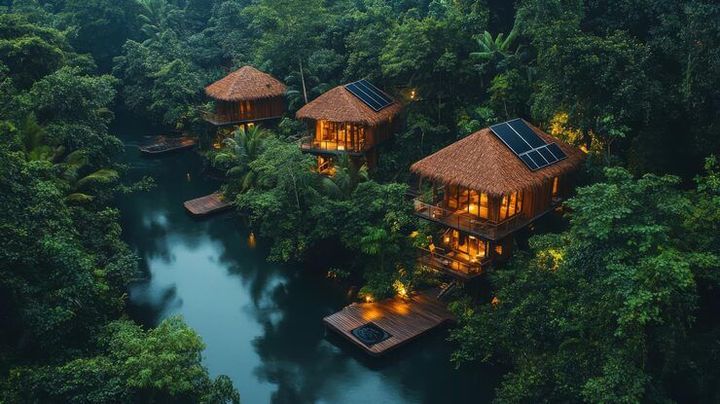
Energy management is one important consideration. Some properties use energy-efficient lighting, natural ventilation, solar power, or equipment designed to reduce electricity consumption. These measures can be particularly relevant in Bangladesh's warm and humid climate, where cooling requirements may be significant.
Water conservation is another key factor. Resorts may use water-efficient fixtures, monitor consumption, maintain plumbing systems, and manage wastewater appropriately. These practices can help reduce pressure on local water resources.
Waste management also matters. Responsible properties may reduce single-use plastics, separate recyclable materials, limit unnecessary packaging, and handle food waste carefully. However, the effectiveness of these measures depends on whether suitable local waste collection and processing systems are available.
Community involvement provides another important indicator. Employing local residents, purchasing ingredients from nearby producers, and working with community guides can help tourism contribute to the local economy.
Travelers should remember that terms such as green, natural, and eco-friendly are not proof of environmental performance by themselves. It is useful to look for specific, clearly explained practices rather than relying only on promotional descriptions.
Popular Regions for Eco-Friendly Stays in Bangladesh
The Sundarbans: Mangrove Forests and Wildlife
The Sundarbans is one of Bangladesh's most distinctive natural destinations. This extensive mangrove ecosystem supports diverse wildlife and plays an important role in coastal ecology.
Visitors interested in nature-focused travel may explore accommodation and organized experiences in gateway areas such as Mongla and nearby communities. Depending on local arrangements, stays may include guided excursions, river journeys, birdwatching, and opportunities to learn about mangrove ecosystems.
Responsible travel in this region requires particular care. Wildlife should be observed from a suitable distance, local conservation rules must be followed, and visitors should avoid disturbing animals or leaving waste behind.
Travelers should also verify the location of their accommodation, available transport, authorized access arrangements, and seasonal restrictions before making plans. A property near the Sundarbans is not necessarily located inside the protected forest.
Sylhet: Tea Gardens and Green Landscapes
Sylhet is known for its tea gardens, rolling green landscapes, rivers, and nearby forested areas. The region may appeal to travelers seeking a quieter holiday surrounded by nature.
Nature-oriented accommodation in and around Sylhet can provide a base for exploring tea-growing areas, local villages, waterways, and scenic countryside. Some properties may emphasize gardens, locally prepared meals, outdoor relaxation, or low-impact activities.
Visitors should respect private tea estates and agricultural operations, entering only where access is permitted. Choosing local guides and businesses can also help travelers learn about the region's culture and livelihoods.
Because rainfall and weather conditions influence travel throughout the year, it is sensible to check local conditions before planning outdoor excursions.
Chattogram Hill Tracts: Hills and Indigenous Cultures
The Chattogram Hill Tracts, which include Rangamati, Bandarban, and Khagrachhari, feature hills, forests, lakes, and culturally diverse communities. The region attracts visitors interested in landscapes, hiking where permitted, and learning about local traditions.
Accommodation options vary from simple guesthouses to nature-oriented retreats. Travelers should evaluate the facilities, road access, environmental practices, and availability of suitable local guides.
Cultural sensitivity is particularly important. Communities have their own customs, land rights, and expectations regarding visitors. Travelers should follow local guidance, obtain permission before photographing people or private property, and respect restrictions on access.
Travel conditions and access requirements may change, so visitors should confirm current local guidance and any applicable permissions before departure.
Cox's Bazar and the Coastal Environment
Cox's Bazar is widely known for its long sandy coastline, making it a destination for travelers seeking beach activities and seaside accommodation.
Visitors interested in more responsible stays can look for properties that manage waste carefully, conserve water, reduce unnecessary plastic use, and respect coastal habitats. Some accommodations may also provide opportunities to learn about marine environments or nearby fishing communities.
Coastal tourism can place pressure on beaches, dunes, wildlife, and local infrastructure. Travelers can help reduce these effects by avoiding littering, respecting marked conservation areas, and choosing activities that do not disturb wildlife.
It is also worth considering seasonal weather, sea conditions, and the distance between a resort and the beach access points relevant to a planned visit.
Benefits of Choosing Sustainable Accommodation
Eco-friendly accommodation can support a more thoughtful travel experience in several ways.
First, responsible resource management can reduce unnecessary energy and water consumption. Although the results vary by property, practices such as efficient lighting, water monitoring, and waste reduction can contribute to better environmental management.
Second, locally focused tourism can create economic opportunities for residents. When resorts employ local staff, purchase regional produce, or work with community guides, a greater share of tourism activity may benefit the surrounding area.
Third, nature-based stays can help travelers understand local ecosystems. Guided walks, birdwatching, and educational activities can provide insight into biodiversity, conservation challenges, and traditional livelihoods.
Sustainable accommodation can also encourage visitors to travel more carefully. Respecting wildlife, minimizing waste, and supporting local businesses are practical ways to make a trip more considerate of its destination.
However, the environmental value of a stay depends on the property's actual practices, the location's sensitivity, and the overall effects of travel. An eco-friendly label alone does not guarantee that every activity associated with a trip is sustainable.
How to Choose an Eco-Friendly Resort in Bangladesh
Selecting suitable accommodation requires looking beyond photographs and general descriptions.
Review environmental practices. Check whether the property explains how it manages electricity, water, wastewater, and solid waste. Specific measures are more informative than broad claims about being green.
Consider the location. Understand the distance to natural attractions, transport connections, shops, and healthcare facilities. In remote areas, confirm whether the property is accessible during the intended travel season.
Ask about community involvement. Look for evidence of local employment, regional food sourcing, community partnerships, or locally guided activities. These details can help explain how tourism contributes to the surrounding area.
Check the accommodation facilities. Confirm room arrangements, sanitation, drinking water availability, accessibility, food options, communication facilities, and any other needs relevant to your group.
Understand activity guidelines. If the resort offers boat trips, wildlife viewing, trekking, or village visits, check whether these activities follow local rules and use appropriate guides.
Read the booking conditions carefully. Review cancellation policies, transport arrangements, included facilities, and any additional obligations before confirming a reservation.
These checks help travelers balance comfort, safety, environmental responsibility, and practical requirements.
Best Time to Plan a Nature-Based Stay
Bangladesh has a seasonal climate influenced by monsoon rainfall, humidity, and temperature changes. The most suitable travel period depends on the region and planned activities.
The cooler, generally drier months can be convenient for many outdoor trips, including visits to tea-growing areas and some forest destinations. Monsoon conditions may bring heavy rainfall, flooding, rough travel conditions, or temporary restrictions in certain locations.
Coastal destinations and hill regions can experience different weather conditions, so a single travel season does not suit every destination equally. Wildlife activity, boat access, hiking conditions, and local transport may also vary throughout the year.
Before traveling, check current weather forecasts, local transport updates, conservation-area guidance, and any destination-specific restrictions. Flexible plans can be particularly useful when visiting remote areas.
Responsible Travel Practices for Visitors
Travelers can contribute to sustainable tourism through simple, practical choices. Carrying a reusable water bottle where safe drinking water is available, reducing disposable packaging, and disposing of waste properly can help limit pollution.
Visitors should follow marked paths, respect wildlife observation distances, and avoid removing plants, shells, or other natural materials where collection is prohibited or harmful.
Supporting local businesses can also make a difference. Buying locally produced goods, hiring authorized local guides, and respecting community customs can help strengthen positive relationships between visitors and residents.
Water and electricity should be used thoughtfully, particularly in remote destinations where infrastructure may be limited. Travelers should also ask permission before taking photographs of residents, cultural activities, or private spaces.
Responsible tourism is not about eliminating every environmental impact. It is about understanding those impacts and making informed choices that reduce avoidable harm.
Conclusion
Eco-friendly resorts in Bangladesh offer opportunities to explore mangrove forests, tea gardens, hill landscapes, and coastal environments while considering the effects of tourism on nature and local communities.
The Sundarbans, Sylhet, the Chattogram Hill Tracts, and Cox's Bazar each provide different settings for nature-oriented travel. The right destination depends on preferred activities, accessibility, seasonal conditions, accommodation facilities, and cultural interests.
Before choosing a resort, travelers should examine its environmental practices, community involvement, location, safety arrangements, and booking conditions. They should also follow local conservation guidance and respect the people and ecosystems that make each destination distinctive.
By combining careful accommodation choices with responsible travel habits, visitors can enjoy a more informed and meaningful experience of Bangladesh's natural and cultural diversity.