Discover Trekking Tours: Complete Guide for Beginners
A trekking tour is an opportunity to explore natural landscapes on foot while experiencing mountains, forests, valleys, coastlines, or rural areas at a slower pace. Unlike a short walk or sightseeing trip, trekking usually involves longer distances, changing terrain, and a greater level of physical preparation.
For beginners, choosing a trekking tour can seem difficult because trails vary significantly in length, altitude, weather, difficulty, and required equipment. Understanding these factors makes it easier to select an experience that matches your abilities and expectations.
Whether you are interested in a gentle countryside trail or a challenging mountain route, good preparation can make the journey safer, more comfortable, and more enjoyable.
What Is a Trekking Tour?
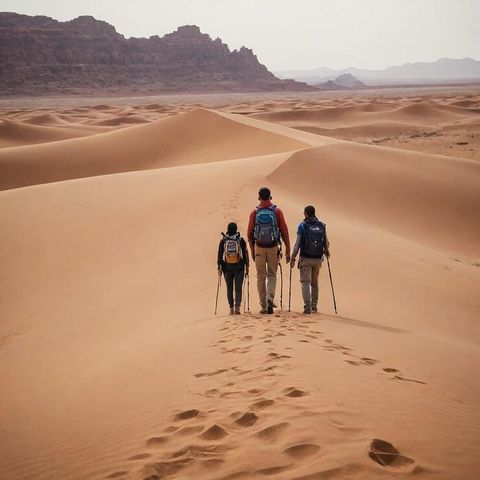
A trekking tour is a planned journey that involves walking through natural or semi-natural environments, often over several hours or multiple days. Treks can take place in mountain regions, forests, national parks, deserts, coastal areas, and remote rural landscapes.
Trekking differs from ordinary hiking mainly in the duration, terrain, and level of planning involved. Some trekking routes can be completed in a single day, while others involve overnight stays and several consecutive days of walking.
A typical trekking experience may include:
- Walking along marked or established trails
- Exploring natural and cultural landscapes
- Carrying personal equipment and supplies
- Staying in camps, lodges, huts, or other accommodations
- Adjusting plans according to weather and trail conditions
The right trek depends on experience, fitness, available time, and personal interests.
Why Do People Choose Trekking Tours?
Trekking combines physical activity with exploration. Instead of experiencing a destination primarily from roads or crowded tourist areas, travelers can reach locations that are accessible mainly by foot.
One important benefit is the opportunity to experience natural surroundings more closely. Forest paths, mountain viewpoints, rivers, valleys, and highland landscapes can provide a different perspective than conventional sightseeing.
Trekking can also encourage people to develop practical outdoor skills. Navigation, walking technique, weather awareness, hydration, packing, and responsible interaction with nature all become important parts of the experience.
For many people, trekking is also about slowing down. Walking for several hours can create more time to observe the landscape and understand the character of a destination.
Types of Trekking Tours
There is no single type of trekking experience. Routes can be classified according to terrain, duration, altitude, and difficulty.
Day Treks
Day treks are generally completed within one day. They can be suitable for beginners because they usually require less equipment and planning than longer journeys.
A day trek may range from a relatively easy nature walk to a demanding mountain climb.
Multi-Day Treks
Multi-day trekking involves walking for several days and spending nights away from the starting point. Participants need to consider accommodation, food, clothing, equipment, and recovery between walking stages.
These treks require more preparation because conditions can change significantly during a longer journey.
Mountain Treks
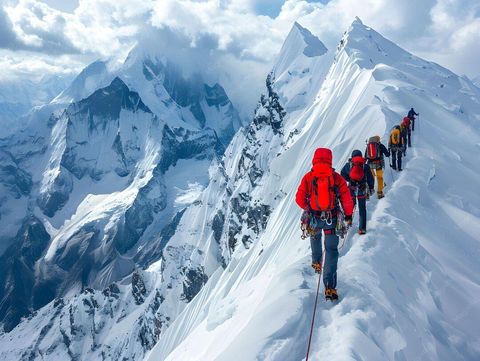
Mountain trekking involves elevation changes and may include steep slopes, rocky paths, narrow trails, or high-altitude environments. Physical preparation becomes particularly important on routes with substantial elevation gain.
Forest and Nature Treks
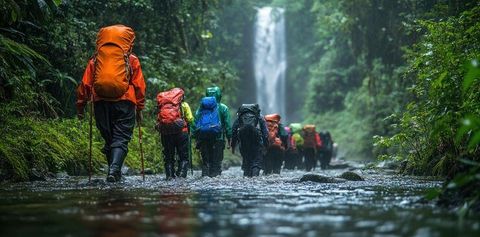
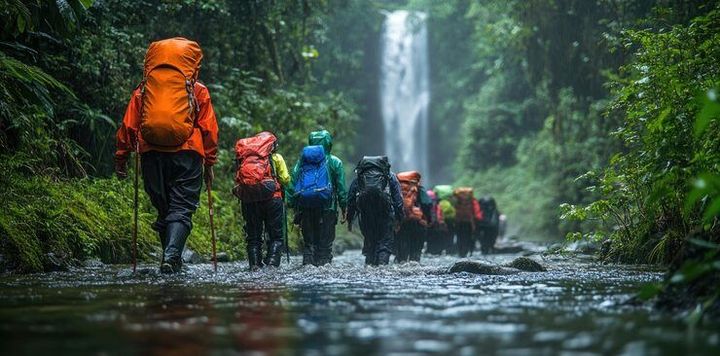
Forest trekking can provide opportunities to observe vegetation, wildlife habitats, streams, and other natural features. Trail conditions can vary depending on rainfall, season, and local terrain.
Cultural and Heritage Treks
Some trekking routes pass through villages, historic areas, religious sites, or traditional landscapes. These journeys combine walking with opportunities to understand local history and culture.
How to Choose the Right Trekking Tour
Choosing a suitable trek starts with understanding the route rather than simply selecting a destination.
First, check the difficulty level. A route described as easy may still involve several hours of walking, while a difficult trek can require substantial endurance and experience.
Next, consider distance and elevation gain. Two trails with the same distance can feel completely different if one contains steep climbs.
Weather is another important factor. Rain, snow, heat, strong winds, and rapidly changing mountain conditions can affect both safety and comfort.
Also examine:
- Total trekking duration
- Daily walking distance
- Highest elevation
- Terrain type
- Seasonal conditions
- Navigation requirements
- Accommodation arrangements
- Emergency access
- Fitness requirements
A realistic understanding of these factors helps prevent choosing a route that is unsuitable for your experience level.
Trekking Preparation: What to Do Before You Go
Preparation should begin well before the first day of the trek. Physical conditioning is useful, particularly for routes involving long distances or significant elevation changes.
Regular walking, stair climbing, cycling, or other endurance activities can help prepare the body. It is also useful to gradually increase walking distance instead of attempting a demanding trek without preparation.
Equipment should be selected according to the environment. Common essentials include comfortable trekking footwear, suitable clothing, a backpack, water containers, navigation tools, sun protection, basic first-aid supplies, and weather protection.
For overnight journeys, additional equipment may be necessary, including sleeping equipment and appropriate food supplies.
Avoid carrying unnecessary items. A heavy backpack can increase fatigue and make steep sections more difficult.
Trekking Safety Essentials
Safety is an important part of every trekking tour, regardless of experience level.
Before starting, check weather conditions and understand the route. Share your itinerary with someone who is not traveling with you, particularly when visiting remote areas.
During the trek, maintain a steady pace and take appropriate breaks. Drink water regularly and pay attention to signs of dehydration, exhaustion, altitude-related illness, or injury.
Trail markers should be followed carefully. If visibility decreases because of fog, rain, darkness, or other conditions, continuing without reliable navigation can create unnecessary risks.
Respect local instructions and restrictions. Some areas may have seasonal closures, wildlife precautions, environmental rules, or specific requirements for visitors.
What to Pack for a Trek
Packing should reflect the destination, season, duration, and terrain.
A practical trekking checklist may include:
- Comfortable, well-tested trekking footwear
- Layered clothing suitable for changing weather
- Rain protection
- Water and suitable hydration equipment
- Navigation tools or offline maps
- First-aid essentials
- Sun protection
- Personal medications when applicable
- Headlamp or flashlight
- Snacks and appropriate food
- Fully charged phone and backup power
- Identification and emergency information
For longer treks, the packing list should be adapted to the availability of accommodation, food, water, and communication along the route.
Responsible Trekking and Environmental Awareness
Trekking takes place in environments that can be sensitive to human activity. Responsible behavior helps protect trails and surrounding ecosystems.
Stay on established paths where possible, avoid disturbing wildlife, and carry waste out of natural areas. Avoid damaging plants, rocks, historic structures, or other natural and cultural features.
Noise should also be kept under control, especially in wildlife areas and rural communities.
Responsible trekking is not only about keeping landscapes clean. It also means respecting local communities, following regional rules, and understanding that natural areas may have cultural or environmental significance.
Frequently Asked Questions
Is trekking suitable for beginners?
Yes. Beginners can start with shorter, lower-difficulty routes and gradually progress to longer or more challenging treks. Choosing a trail that matches current fitness and experience is important.
How fit do you need to be for trekking?
Fitness requirements depend on the route. A short, relatively flat trek may require moderate fitness, while steep or high-altitude routes can demand considerably more endurance.
What is the best season for trekking?
There is no universal best season. It depends on the destination, altitude, climate, and local weather patterns. Researching seasonal trail conditions before traveling is essential.
What should beginners consider first?
Beginners should consider distance, difficulty, elevation, weather, terrain, fitness requirements, and emergency access before selecting a trek.
Can trekking be done without previous experience?
Many introductory routes can be completed without previous trekking experience. However, remote, technically difficult, or high-altitude routes may require additional skills and preparation.
Conclusion
Discovering trekking tours is ultimately about finding a journey that matches your interests, abilities, and preparation level. From short nature walks to demanding multi-day mountain routes, trekking provides many ways to explore landscapes while developing practical outdoor skills.
The most important considerations are not simply the destination but also the route difficulty, terrain, weather, elevation, equipment, physical preparation, and safety planning. With realistic expectations and responsible outdoor habits, trekking can become a meaningful way to experience nature and discover places that are often beyond conventional sightseeing routes.