Desert Exploration Tours: Complete Guide to Planning, Landscapes, Wildlife, Safety, and Best Travel Seasons
Deserts are among the most remarkable landscapes on Earth. While many people imagine endless sand dunes and scorching temperatures, deserts are incredibly diverse environments filled with unique geology, wildlife, cultural history, and unforgettable natural experiences. Desert exploration tours allow travelers to discover these extraordinary regions through guided journeys, nature walks, cultural visits, wildlife observation, and outdoor adventures designed to help visitors understand and appreciate desert ecosystems.
Modern desert exploration tours focus on more than sightseeing. They combine education, environmental awareness, and adventure while helping visitors experience landscapes that have evolved over millions of years. From towering sand dunes and rocky canyons to salt flats and ancient desert settlements, every desert offers a different story shaped by climate, nature, and human history.
This guide explains what desert exploration tours are, why they have become increasingly popular, how they work, the activities they include, and how travelers can prepare for a safe and enjoyable desert experience.
Understanding Desert Exploration Tours
Desert exploration tours are organized travel experiences that introduce visitors to desert environments through planned routes and guided activities. These tours may last a few hours, a full day, or several days depending on the destination and travel style.
Unlike traditional vacations centered around cities or beaches, desert tours emphasize experiencing natural landscapes and learning about the environment. Travelers often visit remote locations where experienced guides help interpret geological formations, native plants, wildlife habitats, and local cultural traditions.
Desert environments exist across every continent except Antarctica. Some deserts are famous for rolling sand dunes, while others feature volcanic rock formations, dry river valleys, colorful mountains, or expansive gravel plains. Each destination provides a different perspective on how life adapts to extreme conditions.
The goal of a desert exploration tour is to help visitors experience these environments responsibly while gaining a deeper understanding of desert ecology and history.
Why Desert Exploration Tours Matter Today
Interest in nature-based tourism has grown significantly as travelers seek experiences that connect them with landscapes beyond urban destinations. Desert exploration tours have become popular because they combine adventure with education and environmental appreciation.
Deserts are home to specialized ecosystems that support plants, animals, and communities adapted to limited rainfall and dramatic temperature changes. Visiting these regions helps travelers understand the importance of conserving fragile habitats and respecting natural resources.
Desert tourism also supports cultural learning. Many deserts have ancient trade routes, archaeological sites, indigenous communities, and historic settlements that demonstrate how people have lived in challenging climates for thousands of years.
Another reason these tours matter is the opportunity they provide for digital detox and outdoor recreation. Wide open landscapes, star-filled skies, and peaceful surroundings create a very different travel experience compared to crowded tourist attractions.
The Different Types of Desert Landscapes You Can Explore
Deserts are much more diverse than many people realize. Each landscape offers unique scenery and experiences depending on geography and climate.
Sand deserts are known for massive dunes shaped by wind over thousands of years. Visitors often experience dune walks, sunrise and sunset viewpoints, and photography opportunities.
Rock deserts feature mountains, cliffs, canyons, and weathered stone formations. These regions are popular for hiking, geological exploration, and landscape photography.
Salt deserts contain large white salt flats created by evaporated lakes. These areas are famous for dramatic reflections after seasonal rainfall and unique mineral formations.
Cold deserts receive very little precipitation but experience much lower temperatures than hot deserts. They often include rocky valleys, snow-covered peaks nearby, and distinctive wildlife adapted to colder conditions.
Each landscape offers different ecosystems, colors, textures, and geological features, making desert exploration varied rather than repetitive.
What You Can Experience During a Desert Exploration Tour
Desert tours often combine multiple activities that help visitors experience the environment from different perspectives.
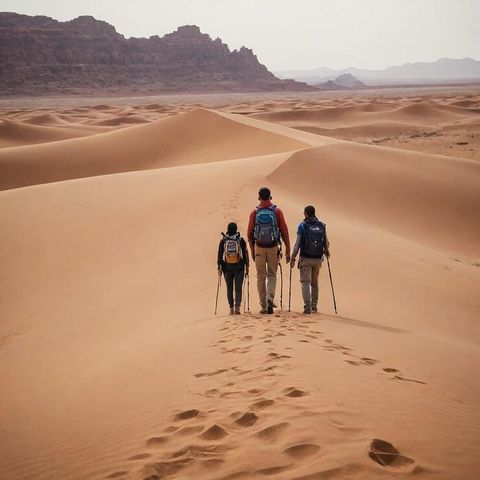
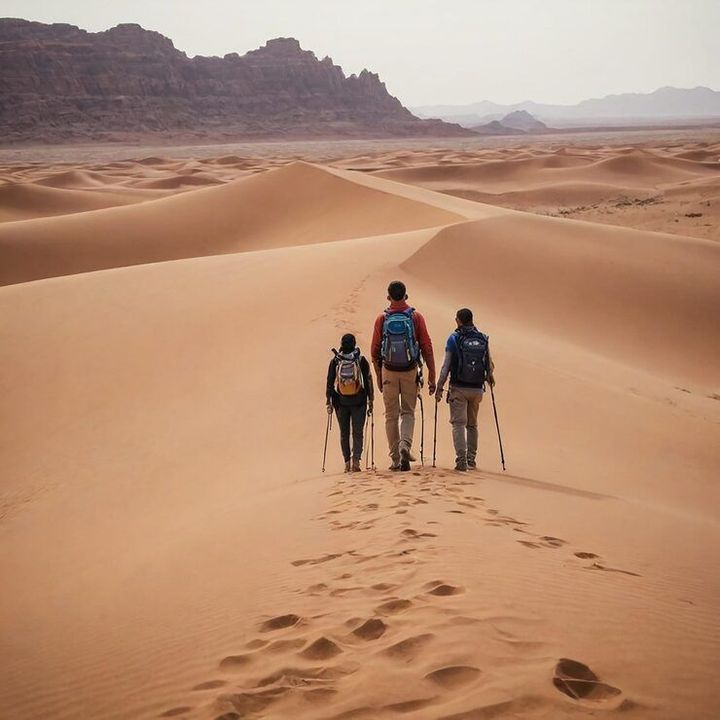
Guided hikes are one of the most common experiences. Walking through dunes, rocky trails, or desert valleys allows travelers to observe plants, insects, reptiles, and geological formations closely while learning about the landscape from experienced guides.
Many tours include wildlife observation during early morning or evening hours when animals are most active. Desert ecosystems support species specially adapted to survive extreme temperatures and limited water availability.
Cultural experiences are another important part of many desert journeys. Travelers may visit traditional villages, historic caravan routes, ancient rock art sites, or learn about indigenous lifestyles and desert survival techniques passed through generations.
Nighttime experiences are especially memorable because deserts often have very low light pollution. Stargazing becomes an educational experience where guides explain constellations, planets, and seasonal night skies visible in remote desert regions.
Photography also plays a major role, as deserts offer changing colors throughout the day, dramatic shadows, and spectacular sunrise and sunset landscapes.
Wildlife and Plant Life in Desert Ecosystems
Although deserts appear empty from a distance, they support surprisingly rich biodiversity. Plants and animals have evolved remarkable strategies for surviving limited water and extreme temperatures.
Desert plants often store water in roots, stems, or leaves. Others develop deep root systems that reach underground moisture or small leaves that reduce water loss. Seasonal flowers may bloom quickly after rainfall, transforming dry landscapes into colorful fields for a short period.
Wildlife is equally specialized. Reptiles regulate body temperature through behavior, mammals become active during cooler hours, and birds migrate across desert regions depending on seasonal conditions.
Insects also play essential roles in pollination and ecosystem balance. Observing these species helps visitors understand that deserts are living ecosystems rather than barren landscapes.
Responsible wildlife viewing emphasizes maintaining distance, avoiding disturbance, and respecting natural habitats throughout the tour.
Best Seasons for Desert Exploration Tours
The best season for desert travel depends on the destination's climate. Temperature differences between seasons can be significant, making planning an important part of the experience.
In many hot deserts, autumn and spring offer the most comfortable conditions with moderate daytime temperatures and cooler evenings. These seasons are popular for hiking, camping, and wildlife observation.
Winter is suitable for several desert regions because temperatures become pleasant during the day, although nights may become surprisingly cold.
Summer tours require additional preparation in extremely hot deserts. Activities are often scheduled during early morning or late afternoon to reduce exposure to intense midday heat.
Weather conditions, daylight hours, and seasonal rainfall can all influence landscape appearance, wildlife activity, and accessibility of certain routes.
How to Prepare for a Desert Exploration Tour
Preparation improves both safety and comfort during desert travel. Since desert environments can be remote, planning clothing, equipment, and hydration is important before beginning the journey.
Lightweight clothing that covers the skin helps protect against sunlight while remaining breathable. Comfortable walking shoes are essential because desert terrain may include sand, gravel, or rocky trails.
Sun protection is another key consideration. Wide-brimmed hats, sunglasses, and sunscreen help reduce exposure during long outdoor activities.
Hydration is especially important because dry air increases water loss even when temperatures feel comfortable. Travelers should drink water regularly rather than waiting until they feel thirsty.
A small backpack with essentials such as snacks, weather layers, and personal items makes walking tours more comfortable without carrying unnecessary weight.
Preparing mentally for changing temperatures is equally useful since deserts often become much cooler after sunset.
Safety and Responsible Travel in Desert Environments
Desert exploration is enjoyable when travelers understand environmental safety and follow responsible travel practices.
Guides typically recommend staying on designated routes because unfamiliar terrain may contain unstable sand, steep rocks, or fragile habitats. Following marked paths also protects sensitive ecosystems.
Weather awareness is important because desert conditions can change rapidly. Strong winds, dust storms, and sudden temperature shifts may affect visibility and comfort.
Respecting wildlife means observing animals without feeding or approaching them. Desert species rely on natural behaviors that should remain undisturbed.
Responsible visitors also minimize environmental impact by carrying waste out of natural areas, avoiding damage to plants, and respecting cultural or archaeological sites.
Sustainable desert tourism helps preserve these landscapes for future visitors while protecting biodiversity and local communities.
Recent Trends in Desert Exploration Tours
Over the past year, desert tourism has continued evolving toward sustainability, education, and immersive outdoor experiences. Throughout 2025 and into 2026, more destinations have introduced eco-friendly camping practices, guided conservation walks, and small-group exploration experiences that reduce environmental impact.
Astronomy tourism has also grown in popularity because deserts provide some of the world's clearest night skies. Educational stargazing sessions are becoming a regular feature of many desert itineraries.
Another trend is combining adventure with cultural storytelling. Travelers increasingly seek experiences that explain local history, indigenous traditions, geology, and environmental conservation rather than focusing only on adventure activities.
Technology is also improving visitor experiences through digital trail maps, wildlife identification tools, weather monitoring systems, and educational interpretation available during guided tours.
These developments reflect growing interest in meaningful travel experiences that combine nature, learning, and responsible exploration.
Choosing the Right Desert Exploration Experience
Every traveler has different interests, so selecting the right type of desert exploration depends on personal goals and physical comfort.
Some travelers prefer scenic drives and short walks that focus on landscapes and photography. Others enjoy multi-day hiking or camping experiences that provide deeper immersion in remote environments.
Families often choose educational tours with wildlife observation and cultural activities suitable for different age groups. Adventure travelers may prefer longer trekking routes, dune exploration, or mountain desert hikes.
Considering climate, walking distance, accommodation style, and activity level helps travelers choose an experience that matches their expectations without unnecessary challenges.
A well-planned tour balances exploration, learning, rest, and environmental responsibility throughout the journey.
The Future of Desert Exploration Tourism
Desert exploration tourism is expected to continue growing as travelers seek authentic nature experiences and environmentally responsible adventures. Conservation efforts are becoming increasingly integrated into tourism planning, encouraging visitors to understand the ecological importance of desert habitats.
Future tours are likely to include more educational experiences about climate adaptation, biodiversity conservation, renewable energy in desert regions, and sustainable travel practices. Scientific tourism and citizen science programs may also give visitors opportunities to contribute to environmental monitoring and wildlife observation.
As awareness of fragile ecosystems increases, desert destinations are focusing on preserving landscapes while creating meaningful experiences that benefit both visitors and local communities.
Conclusion
Desert exploration tours offer much more than a journey across sand dunes. They introduce travelers to some of the planet's oldest landscapes, unique ecosystems, remarkable wildlife, and rich cultural heritage. Whether exploring vast dunes, rocky valleys, salt flats, or ancient desert settlements, visitors gain a deeper appreciation for environments that thrive under extreme conditions.
With thoughtful preparation, respect for nature, and responsible travel practices, desert exploration becomes an educational and memorable experience suitable for many types of travelers. As sustainable tourism continues to grow, desert exploration tours provide an opportunity to experience extraordinary natural beauty while supporting conservation and cultural understanding for future generations.