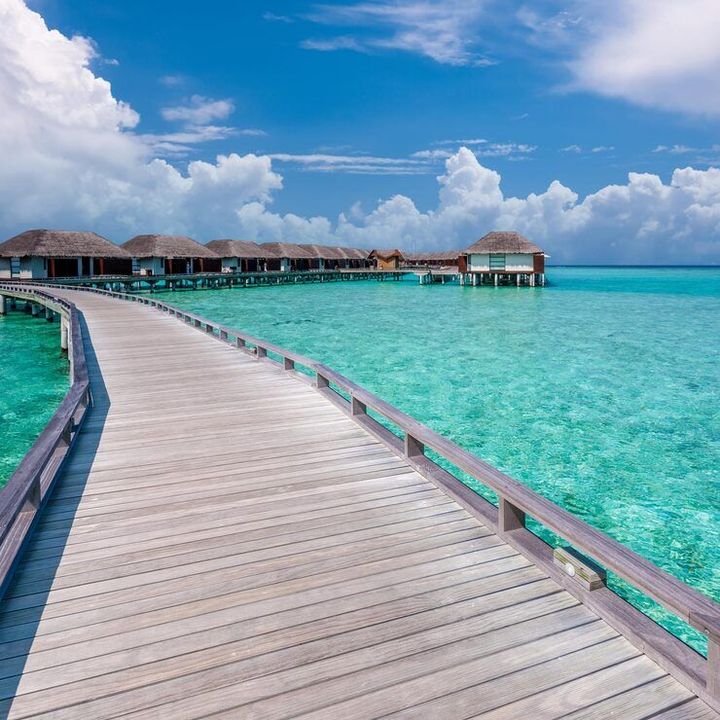
What makes Maldivian beaches unique is not just their appearance but also their ecological importance. The islands are formed from coral reefs, creating soft white sand beaches and shallow lagoons with exceptionally clear water. Whether someone is looking for a quiet shoreline, snorkeling opportunities, or scenic sunset views, the Maldives offers a wide variety of beach experiences across different islands.
This guide explains what makes the beaches of the Maldives special, the best islands to visit, seasonal travel information, beach activities, local culture, and practical tips for making the most of a Maldives beach holiday.
Understanding the Beaches of the Maldives
The beaches of the Maldives are created naturally from finely crushed coral and shells, giving them their famous white appearance. Unlike many tropical beaches with golden sand, Maldivian beaches remain cool under sunlight because of their coral composition. The surrounding lagoons protect the beaches from large waves, creating calm waters suitable for swimming throughout much of the year.
Every island has its own shoreline, meaning visitors can experience different styles of beaches depending on where they stay. Some islands feature long stretches of open beach, while others have intimate lagoons surrounded by palm trees and coral reefs. The water often transitions through multiple shades of blue because of varying ocean depths, creating one of the country's most recognizable natural features.
The Maldives is also home to extensive coral reef systems, making beaches more than just places for relaxation. Many shorelines provide direct access to snorkeling spots where tropical fish, turtles, rays, and coral gardens can be seen just a short swim from the sand.
Why Maldives Beaches Are Famous Worldwide
The popularity of the Maldives comes from the combination of untouched natural scenery and a strong focus on marine conservation. Many islands limit development to preserve beaches and coral ecosystems, helping maintain clean coastlines and healthy marine habitats.
The beaches are famous for their powder-soft sand, transparent lagoons, and tropical climate. Palm trees, shallow water, and vibrant coral reefs create a landscape that is both peaceful and visually distinctive. Many beaches remain uncrowded because resorts occupy individual islands, while local islands maintain quieter public beaches.
Another reason for their reputation is biodiversity. Visitors often encounter dolphins offshore, sea turtles near coral reefs, colorful reef fish, manta rays during certain seasons, and occasionally whale sharks in nearby waters. These natural encounters make Maldives beaches appealing for both relaxation and marine exploration.
The Most Beautiful Beaches Across the Maldives
Every atoll has beaches with unique characteristics, from secluded lagoons to wide sandy coastlines.
Hulhumale Beach
Located near the international airport, Hulhumale Beach is one of the most accessible beaches in the Maldives. It combines urban convenience with a long stretch of soft white sand and calm waters. It is popular for swimming, walking, and watching sunsets.
Veligandu Island Beach
Veligandu is known for its long sandbank extending into crystal-clear water. The beach offers panoramic views of turquoise lagoons and is surrounded by coral reefs ideal for snorkeling.
Fulhadhoo Beach
Fulhadhoo Island is often recognized for its peaceful atmosphere and natural shoreline. The beach has wide white sands, shallow lagoons, and fewer visitors than many resort islands, making it suitable for travelers seeking tranquility.
Dhigurah Beach
Dhigurah features one of the longest beaches in the Maldives. Its extended sandbank stretches into the ocean and provides opportunities for walking, snorkeling, and viewing whale sharks in nearby waters during appropriate seasons.
Bikini Beaches on Local Islands
Several inhabited islands include designated bikini beaches where international visitors can wear standard swimwear while respecting local customs elsewhere on the island. These beaches offer beautiful lagoons and a more community-oriented beach experience.
Different Types of Beaches in the Maldives
The Maldives offers more variety than many travelers expect because each island has different coastal features.
Resort island beaches provide private stretches of sand, calm lagoons, and easy access to water activities. Local island beaches allow visitors to experience island communities alongside designated swimming areas. Sandbanks create temporary islands surrounded entirely by shallow turquoise water, often visited during boat excursions. Coral beaches near reef edges are excellent for snorkeling and observing marine life close to shore.
Understanding these differences helps travelers choose beaches based on relaxation, photography, family travel, snorkeling, or marine exploration.
Marine Life Found Near Maldives Beaches
One of the biggest attractions of Maldivian beaches is the underwater ecosystem located just beyond the shoreline. Coral reefs protect islands while supporting thousands of marine species.
Snorkelers commonly see butterflyfish, parrotfish, angelfish, clownfish, reef sharks, sea turtles, stingrays, octopus, and colorful coral formations. During migration seasons, manta rays visit cleaning stations near several atolls, while whale sharks can be observed in selected regions.
Healthy coral reefs also protect beaches by reducing wave energy and helping prevent coastal erosion. Conservation efforts across many islands encourage responsible snorkeling and reef-safe tourism practices.
Best Time to Visit Maldives Beaches
The Maldives experiences warm tropical weather throughout the year, but seasonal conditions influence visibility, rainfall, and marine activities.
The dry season generally brings sunny skies, lower humidity, calmer seas, and excellent snorkeling conditions. Beaches during this period often have exceptionally clear water and consistent sunshine.
The wetter season includes occasional tropical rain showers mixed with sunny periods. Although rainfall increases, this season can also provide good opportunities for surfing and marine wildlife sightings in certain atolls.
Travelers interested in underwater visibility often choose periods with calmer seas, while those interested in surfing may prefer months with stronger ocean swells.
Activities to Enjoy on Maldives Beaches
Maldives beaches offer much more than sunbathing. Many activities are directly connected to the islands' marine environment.
Swimming is popular because shallow lagoons remain calm around many islands. Snorkeling allows visitors to explore coral reefs close to shore without extensive equipment. Kayaking and paddleboarding provide quiet ways to explore lagoons, while boat excursions visit nearby sandbanks and uninhabited islands.
Sunrise and sunset walks are memorable because beaches often face open horizons with uninterrupted ocean views. Beach photography is another favorite activity thanks to reflective water, white sand, and dramatic tropical skies.
For visitors seeking relaxation, many beaches provide peaceful shaded areas beneath coconut palms where they can enjoy ocean views without crowds.
Beaches for Families, Couples, and Nature Lovers
Different islands appeal to different travel styles.
Families often choose beaches with shallow lagoons where children can safely swim. Calm water and soft sand make many islands suitable for family-friendly beach activities.
Couples frequently visit islands known for secluded beaches, sandbanks, and romantic sunset scenery. Quiet shorelines provide opportunities for peaceful walks and private beach experiences.
Nature lovers often prefer islands with rich coral reefs, mangrove ecosystems, or nearby marine protected areas. These beaches offer birdwatching, snorkeling, and opportunities to learn about island ecology.
The diversity of beaches means visitors can choose islands based on interests rather than expecting every beach to offer the same experience.
Local Island Beaches and Cultural Etiquette
The Maldives has both resort islands and inhabited local islands, each with different customs.
On local islands, designated bikini beaches are available for tourists, while other public beaches follow local cultural expectations regarding swimwear. Respecting local customs helps visitors enjoy beaches while supporting community tourism.
Visitors are encouraged to dress appropriately away from designated tourist beaches, avoid littering, and respect community spaces. Many local islands have parks, cafés, and walking paths near beaches that provide opportunities to experience everyday island life alongside natural attractions.
Understanding local etiquette creates a more respectful and enjoyable travel experience.
Sustainable Beach Travel in the Maldives
The Maldives faces environmental challenges including coral bleaching, rising sea levels, coastal erosion, and marine pollution. Sustainable travel practices help protect beaches for future generations.
Visitors can reduce environmental impact by avoiding contact with coral reefs, using reef-safe sunscreen where appropriate, minimizing plastic waste, participating in organized beach cleanups if available, and respecting wildlife habitats.
Many islands have conservation initiatives focused on coral restoration, marine education, and responsible tourism. Supporting environmentally friendly practices helps preserve both beaches and marine ecosystems.
Sustainable tourism also benefits local communities by encouraging long-term protection of natural resources that attract visitors from around the world.
Photography and Scenic Highlights Along Maldives Beaches
The beaches of the Maldives are famous for their distinctive natural colors. Sunrise creates soft pastel skies across eastern-facing beaches, while sunset transforms western-facing beaches with shades of orange, pink, and purple.
Some islands feature long sandbanks that appear during low tide, creating dramatic landscapes surrounded by shallow blue water. Calm lagoons produce mirror-like reflections during early morning hours, making beaches especially appealing for landscape photography.
Nighttime also offers unique coastal experiences. On selected beaches, naturally occurring bioluminescent plankton may create glowing blue waves under specific environmental conditions, although this is seasonal and depends on natural conditions.
Choosing the Right Beach Experience in the Maldives
Selecting the ideal beach depends on travel preferences rather than searching for a single "best" beach.
Travelers seeking convenience often prefer beaches close to the international airport. Those looking for peaceful surroundings may choose quieter local islands with long stretches of undeveloped shoreline. Snorkeling enthusiasts benefit from beaches located near healthy coral reefs, while photographers may enjoy islands known for sandbanks and expansive lagoon views.
Considering travel style, activity interests, and island atmosphere helps create a more rewarding Maldives experience.
The Future of Maldives Beaches
Protecting the beaches of the Maldives has become increasingly important as climate change affects coral reefs and coastlines. Government agencies, researchers, conservation organizations, and local communities continue working on coral restoration, coastal protection, sustainable tourism, and marine conservation programs.
Innovative approaches such as coral nurseries and reef restoration projects aim to strengthen marine ecosystems that naturally protect beaches from erosion. Visitors also play an important role by following responsible travel practices and respecting fragile coastal environments.
The future of Maldives beaches depends on balancing tourism with environmental preservation so future generations can continue enjoying these remarkable island landscapes.
Frequently Asked Questions
What makes the beaches of the Maldives different from other tropical beaches?
Maldives beaches are formed from crushed coral, creating soft white sand and shallow turquoise lagoons surrounded by coral reefs.
Are Maldives beaches suitable for snorkeling?
Yes. Many beaches have coral reefs located close to shore, making snorkeling accessible for beginners and experienced visitors.
Which season offers the clearest beach conditions?
The dry season generally provides calmer seas, sunny weather, and excellent underwater visibility for beach and snorkeling activities.
Can visitors swim on local island beaches?
Yes. Visitors can swim on designated tourist beaches, often called bikini beaches, while respecting local customs in other public areas.
Are Maldives beaches environmentally protected?
Many beaches are part of broader marine conservation efforts focused on protecting coral reefs, marine life, and coastal ecosystems.
Conclusion
The beaches of the Maldives are among the world's most remarkable coastal destinations because they combine white coral sand, crystal-clear lagoons, rich marine biodiversity, and peaceful island environments. Every island offers a slightly different beach experience, from secluded sandbanks and vibrant snorkeling reefs to family-friendly lagoons and culturally rich local beaches.
Understanding the natural environment, seasonal weather, marine life, and local customs allows travelers to appreciate much more than the scenery alone. Whether visiting for relaxation, underwater exploration, photography, or nature experiences, the beaches of the Maldives provide lasting value through their unique landscapes and ecological importance. As conservation efforts continue across the islands, responsible travel remains an important part of preserving these extraordinary beaches for years to come.