Drilling Rigs: Discover Modern Drilling Technology, Equipment, and Field Applications
Drilling Rigs are specialized machines used to create boreholes in soil, rock, and other geological formations. They combine drilling tools, power systems, rotating or impact mechanisms, support structures, and control equipment for different field conditions. Modern drilling rigs are used across construction, mining, water exploration, energy, geotechnical investigation, and other industrial applications.
Drilling Rigs: Discover Modern Drilling Technology, Equipment, and Field Applications
Context
Drilling Rigs are machines designed to create holes or boreholes in the ground, rock, or other geological formations. They provide the mechanical force, rotation, pressure, and control required to advance a drilling tool through different materials.
Drilling is used in many fields, including construction, mining, water exploration, geotechnical investigation, energy development, and infrastructure projects. The equipment selected for a drilling operation depends on ground conditions, required depth, hole diameter, access conditions, and the purpose of the borehole.
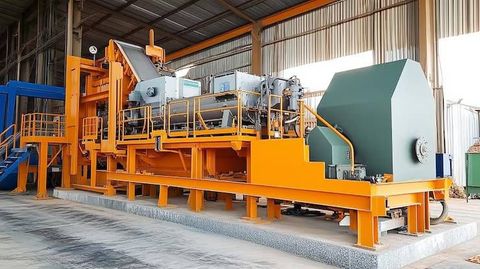
A drilling rig is more than a single drilling tool. It is an integrated system containing a mast or derrick, power source, drive mechanism, drilling string, controls, support structure, and other equipment.
Basic Drilling Process
Although drilling methods vary, a typical operation involves several general stages:
Preparing and positioning the drilling rig.
Selecting the appropriate drilling tool and method.
Connecting the drilling string or drilling assembly.
Applying rotation, impact, pressure, or a combination of these forces.
Advancing the drill into the ground or rock.
Removing cuttings from the borehole.
Extending the drilling assembly as depth increases.
Monitoring drilling conditions and equipment performance.
Reaching the required depth or formation.
Completing the borehole according to the project's purpose.
The exact sequence depends on the drilling method and application.
Main Components
Drilling Rigs contain multiple systems that work together to provide controlled drilling operations.
| Component | Main Function |
|---|---|
| Mast or derrick | Supports the drilling assembly |
| Power system | Provides energy for drilling operations |
| Rotary drive | Produces controlled rotational movement |
| Hoisting system | Raises and lowers drilling equipment |
| Drill string | Transfers force and rotation to the drill |
| Drill bit | Penetrates soil or rock |
| Mud or fluid system | Supports cooling and removal of cuttings in applicable methods |
| Control system | Manages operating functions |
| Frame or chassis | Supports and transports the rig |
| Stabilizers | Help maintain equipment position |
Types of Drilling Rigs
Drilling rigs can be classified according to their drilling method, mobility, power arrangement, and intended application.
Rotary drilling rigs use rotational movement to advance drilling tools. Percussive rigs use repeated impact forces, while rotary-percussive systems combine rotation and impact.
Other classifications include crawler-mounted rigs, truck-mounted rigs, trailer-mounted rigs, skid-mounted systems, underground drilling rigs, and compact drilling units.
Specialized rigs are also designed for water wells, geotechnical investigations, mining exploration, construction foundations, and energy-related drilling.
Importance
Drilling Rigs are important because they provide controlled methods for penetrating different geological formations. Modern equipment can be adapted to varying ground conditions and project requirements.
Geological Access
Drilling provides access to underground formations that cannot be examined directly from the surface. Boreholes can support geological sampling, groundwater investigation, mineral exploration, and geotechnical studies.
The drilling method must be selected according to the formation and the information required from the borehole.
Construction Applications
Construction projects use drilling equipment for foundation work, ground investigation, anchoring, piling, and other activities.
Large drilling rigs can create deep or wide boreholes for foundation systems, while compact equipment can operate in locations where access is restricted.
Mining Exploration
Mining operations use drilling rigs to investigate geological formations and identify areas containing potentially useful mineral deposits.
Exploration drilling can collect samples from below the surface, helping geological teams understand rock structures and subsurface conditions.
Water Exploration
Water-well drilling uses specialized equipment to penetrate geological formations and reach suitable groundwater zones.
The drilling method, casing arrangement, borehole diameter, and completion approach depend on local geological and project conditions.
Controlled Operations
Modern rigs provide operators with control over drilling speed, rotation, pressure, and other operating parameters. Monitoring these conditions helps operators respond to changes in ground characteristics.
Stable machine positioning is also important, particularly when drilling at significant depths or in challenging terrain.
Recent Updates
Recent developments in Drilling Rigs have focused on automation, digital controls, remote monitoring, energy management, improved drilling tools, and greater integration of operational data.
Automated Drilling Controls
Modern drilling systems can automate selected drilling functions such as feed control, rotation, pressure management, and drilling-cycle sequences.
Automation can help maintain more consistent operating conditions while allowing operators to monitor the process through centralized interfaces.
Digital Monitoring
Sensors can collect information about drilling pressure, rotation, depth, temperature, vibration, hydraulic conditions, and other machine parameters.
This information can be displayed through digital control systems and used to monitor equipment performance.
Remote Monitoring
Some modern drilling systems support remote monitoring and data communication. Operators and technical teams can review equipment conditions and drilling information without being directly beside every machine.
The level of remote capability varies by equipment design and operating environment.
Improved Drilling Tools
Drill bits, cutting tools, rods, and other drilling components continue to evolve for different geological conditions.
Tool selection remains important because rock hardness, abrasiveness, fracture patterns, moisture, and other geological characteristics can affect drilling performance.
Energy Management
Manufacturers are also focusing on energy management within drilling equipment. Improvements may include more controlled hydraulic systems, efficient power management, and equipment configurations designed around specific operating requirements.
Electric and hybrid power arrangements are also becoming areas of development for selected drilling applications.
Data-Based Maintenance
Machine sensors can provide information about component condition and operating patterns. This data can support maintenance planning for hydraulic systems, engines, bearings, rotary drives, and other critical components.
Condition monitoring can help identify unusual changes before equipment performance is significantly affected.
Laws or Policies
Drilling operations are subject to machinery safety, workplace, environmental, land-use, water, mining, and project-specific requirements. The applicable rules depend on the location and purpose of drilling.
Machinery Safety
Drilling rigs contain rotating components, moving drill strings, hydraulic systems, hoisting equipment, and high-energy mechanisms. Appropriate guards, emergency controls, operating procedures, and training are important for safe operation.
Personnel should maintain safe distances from rotating and moving components during drilling.
Ground Stability
Rig positioning requires attention to ground conditions. Unstable surfaces can affect equipment stability and create significant operational hazards.
Site preparation, equipment leveling, stabilizers, and appropriate positioning procedures should follow project requirements and manufacturer guidance.
Environmental Considerations
Drilling can generate rock cuttings, drilling fluids, wastewater, dust, noise, and other environmental impacts depending on the method used.
Projects may therefore be subject to requirements covering waste handling, water protection, noise, dust control, and land disturbance.
Water and Ground Protection
Water-well and other subsurface drilling activities may have specific requirements related to groundwater protection and borehole construction.
Appropriate casing, sealing, drilling-fluid management, and site practices may be required according to local regulations.
Mining and Energy Requirements
Drilling for mineral exploration or energy-related applications can involve additional permitting, land-use controls, environmental assessments, and reporting requirements.
Operators should identify the applicable requirements before beginning field operations.
Tools and Resources
Drilling Rigs rely on a wide range of tools and supporting equipment.
Drill Bits
Drill bits perform the primary cutting or penetration function. Different bit designs are selected according to soil, rock, formation hardness, drilling method, and required borehole characteristics.
Drill Rods
Drill rods connect the surface equipment to the drilling tool. They transmit rotational force, impact, or pressure depending on the drilling method.
Rod dimensions and connections must match the drilling system.
Drilling Fluids
Some drilling methods use fluids to cool the drilling tool, transport cuttings, stabilize the borehole, or support other drilling functions.
Fluid selection and management depend on geological conditions and the specific drilling method.
Hydraulic Systems
Hydraulic systems are common in many modern drilling rigs. They can power rotary drives, feed mechanisms, stabilizers, hoisting systems, and other machine functions.
Hydraulic pressure, fluid condition, hoses, pumps, and valves require appropriate inspection and maintenance.
Measurement and Survey Equipment
Depth measurement, inclination monitoring, positioning equipment, geological sampling tools, and other instruments can support drilling projects.
The selected measurement system depends on the type and purpose of the drilling operation.
Maintenance Resources
Routine maintenance can include inspection of drill rods, bits, hydraulic components, engines, drive systems, bearings, cables, controls, and structural components.
Machine manuals, maintenance schedules, inspection records, and technical specifications provide important resources for maintaining drilling equipment.
FAQs
What are Drilling Rigs used for?
Drilling Rigs are used to create boreholes in soil, rock, and geological formations. Applications include construction, mining exploration, water wells, geotechnical investigation, and energy-related drilling.
How do Drilling Rigs work?
A drilling rig applies controlled rotation, impact, pressure, or a combination of these forces to advance a drilling tool into the ground. The drilling assembly is extended as the borehole becomes deeper, while cuttings are removed using an appropriate method.
What are the main components of Drilling Rigs?
Common components include the mast, power system, rotary drive, hoisting system, drill string, drill bit, control system, frame, stabilizers, and supporting fluid or hydraulic systems.
What types of Drilling Rigs are available?
Common types include rotary, percussive, and rotary-percussive rigs, along with crawler-mounted, truck-mounted, trailer-mounted, skid-mounted, underground, and compact drilling systems.
What recent technologies are used in Drilling Rigs?
Recent equipment increasingly incorporates digital controls, sensors, automated drilling functions, remote monitoring, data collection, improved drilling tools, and energy-management technologies.
Conclusion
Drilling Rigs provide controlled mechanical systems for creating boreholes across construction, mining, water exploration, geotechnical, and energy applications. Their configuration varies according to geological conditions, drilling depth, borehole requirements, mobility, and project purpose. Modern systems increasingly combine automation, digital monitoring, improved tools, and data-based maintenance. Safe and responsible drilling also requires suitable site preparation, equipment inspection, operator training, and compliance with applicable regulations.