Digital Printing Machine: A Complete Overview of Modern Printing Technology
A digital printing machine is a computer-controlled printing system that transfers digital artwork directly onto paper, film, fabric, signage materials, packaging substrates, or other printable surfaces.
Unlike traditional printing methods that may require physical plates or extensive setup stages, digital printing uses digital files and electronically controlled printheads to place ink or other printing materials on a substrate.
The technology developed from computer-based office printers into specialized equipment for commercial, industrial, textile, packaging, and large-format applications. Today, a digital printer machine can range from a compact production unit to a large industrial digital printing machine designed for continuous production environments.
How Digital Printing Works
The basic process begins with a digital design file. Specialized software interprets the file and prepares the information for the printer, including image resolution, color data, dimensions, and placement.
The prepared information is then sent to the printer. In many inkjet systems, microscopic droplets of ink are deposited onto the substrate through electronically controlled printheads. Depending on the machine, drying, curing, heating, or other finishing processes may follow.
A typical digital printing workflow includes:
- Digital artwork preparation
- Color management and file processing
- Substrate loading
- Ink application through printheads
- Drying or curing
- Inspection and finishing
This approach allows designs to be changed digitally without producing a new physical printing plate for every design.
Types of Digital Printing Machines
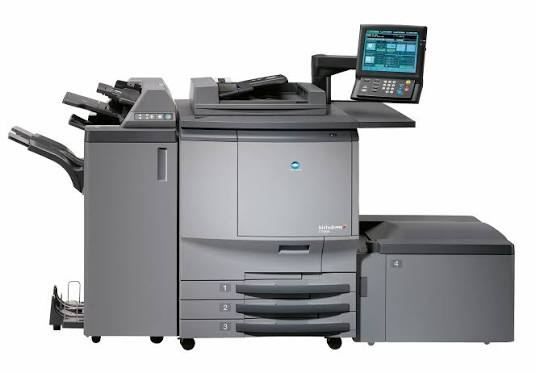
Different applications require different machine configurations. A commercial digital printing machine may be designed for documents, labels, packaging, marketing materials, or short production runs, while an industrial digital printer may be engineered for continuous operation and larger production volumes.
A large format digital printing machine is generally used for wide graphics, displays, signs, wallpapers, architectural graphics, and similar applications. Digital textile printing equipment is designed specifically for fabrics and may use technologies such as direct-to-fabric, direct-to-garment, sublimation, pigment, reactive, or acid printing.
| Machine Type | Common Applications | Typical Substrates |
|---|---|---|
| Commercial digital printer | Documents, labels, graphics | Paper, coated media |
| Large format digital printing machine | Signs, displays, décor | Vinyl, fabric, boards |
| Digital textile printing machine | Apparel and textiles | Cotton, polyester, blends |
| Industrial digital printer | Production environments | Paper, film, packaging, textiles |
| Digital fabric printing machine | Fabric decoration | Woven and knitted fabrics |
| Automatic digital printing machine | Repeated production workflows | Application-dependent |
Importance
Digital printing technology is relevant because printed materials are used across many everyday industries. Packaging, clothing, interior décor, labels, signage, books, product identification, and promotional materials can all involve digitally controlled printing processes.
The technology is particularly useful when designs change frequently or when production requires multiple versions. A digital printing production system can process different files within the same workflow, reducing the need for extensive physical setup between designs.
Flexible Production
Traditional printing processes can involve preparation steps that become less practical when every design is different. Digital printing allows a computer file to be modified and sent through the workflow without creating a separate physical plate for each version.
This characteristic supports applications such as customized packaging, variable-data documents, personalized graphics, samples, and short textile runs. It also allows manufacturers and printers to manage a wider range of designs within a single production environment.
Textile and Fabric Applications
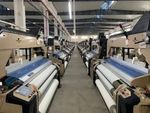
Digital textile printing has expanded into apparel, home textiles, décor, and other fabric applications. A digital fabric printing machine can apply detailed patterns directly to suitable textiles, while transfer-based systems print onto an intermediate material before transferring the design to fabric.
Recent developments have focused on pigment inks, automated handling, color management, and more integrated production workflows. Industry exhibitions such as drupa 2024 highlighted connected textile production concepts that link design, printing, and subsequent manufacturing stages.
Factors Affecting Digital Printing Machine Price
Digital printing machine price varies considerably because machines differ in print width, print speed, number and type of printheads, ink technology, automation, substrate compatibility, drying or curing equipment, and software.
A compact commercial system and a complete digital printing production line are therefore not directly comparable. The overall price may also depend on auxiliary equipment, installation requirements, environmental controls, maintenance arrangements, and the intended production environment.
Recent Updates
Between 2024 and 2026, digital printing development has increasingly focused on automation, textile applications, ink technology, workflow integration, and resource management. Industry discussions have also placed greater attention on connecting design, production, and finishing processes into a single digital workflow.
Automation and Integrated Production
Modern automated digital printing systems can combine file preparation, printing, monitoring, material handling, and finishing activities. Automation can reduce the number of manual steps in a production sequence, although the exact level of automation differs between machines.
Textile printing has been a particularly active area. drupa reported highly automated textile printing equipment and connected production concepts, while developments in direct-to-garment and direct-to-fabric workflows have continued to expand.
Advances in Textile Printing
Digital textile printing equipment has continued to develop around pigment inks, transfer printing, wider print formats, and improved workflow integration. In 2024, several industry developments focused on pigment-based textile processes and transfer systems designed to simplify textile production.
In 2025, industry coverage also showed continued development of digital textile software, including tools for direct-to-film and direct-to-garment workflows.
Software and Color Management
Software has become an important part of advanced digital printing machinery. Raster image processors, color-management applications, production-monitoring systems, and workflow platforms help translate digital artwork into machine instructions.
Modern systems may also include automated calibration and monitoring functions. These technologies can help maintain consistent processing across multiple machines, although results depend on equipment configuration, substrate characteristics, ink, environmental conditions, and workflow settings.
Tools and Resources
Digital printing involves more than the physical printer. A complete workflow may include design software, raster image processing tools, color-management systems, substrate libraries, maintenance software, and production-monitoring platforms.
Design and File Preparation
Graphic design applications are commonly used to create artwork before it reaches the printing stage. File-preparation tools can check dimensions, resolution, transparency, color profiles, and other properties.
Common resources include:
- Vector and raster graphics applications for artwork creation.
- RIP software for converting files into printer instructions.
- Color-management tools for controlling color reproduction.
- Workflow templates for standardizing production steps.
- Substrate profiles for matching print settings with materials.
- Production checklists for inspection and quality control.
Textile Printing Resources
For digital textile printing, manufacturers and technical organizations publish information about ink types, fabric compatibility, curing, color management, and print workflows. Trade events and technical publications can also provide information about emerging digital textile printing equipment.
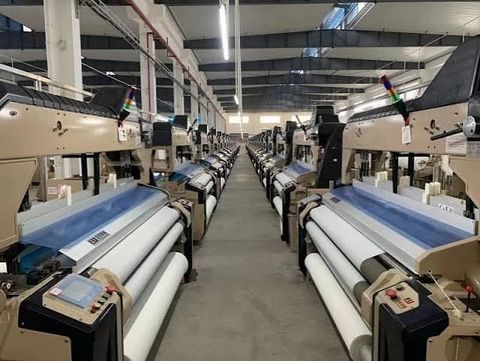
A digital printing production system may require additional equipment such as fabric handling units, dryers, curing systems, calenders, cutting equipment, or finishing machinery. The required configuration depends on the material and printing method.
Machine Evaluation Resources
When comparing an industrial digital printing machine, useful technical specifications include maximum print width, stated print speed, resolution, ink configuration, substrate compatibility, automation functions, drying method, connectivity, and power requirements.
Machine documentation and technical specifications should be considered together because a single specification does not describe the complete production workflow.
FAQs
What is a digital printing machine?
A digital printing machine is a computer-controlled system that transfers digital artwork onto a selected substrate. It can be used for paper, packaging, signage, textiles, films, and other materials depending on its design.
How does digital printing machine price vary?
Digital printing machine price depends on factors such as print width, print speed, printheads, ink system, automation, software, substrate compatibility, and supporting equipment. Industrial systems generally have different specifications from smaller commercial machines.
What is an industrial digital printing machine used for?
An industrial digital printing machine is designed for production environments where printing may involve larger materials, repeated workflows, higher throughput, or integration with other manufacturing equipment.
What is a digital textile printing machine?
A digital textile printing machine applies digitally prepared designs to suitable fabrics. Different systems use technologies such as pigment, sublimation, reactive, acid, direct-to-fabric, or transfer printing.
What is a complete digital printing production line?
A complete digital printing production line can include file preparation, printing, drying or curing, material handling, inspection, cutting, and finishing equipment. The exact configuration depends on the application and substrate.
Conclusion
Digital printing machines have developed from basic computer printers into specialized systems used across commercial, industrial, packaging, signage, and textile applications. Modern digital printing machinery increasingly combines high-speed printing, software-controlled workflows, automation, color management, and specialized ink technologies. Textile printing is an active area of development, particularly around pigment processes, automation, and integrated production. The appropriate machine configuration depends on the substrate, printing method, production requirements, workflow, and supporting equipment.