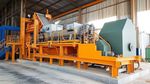
Cotton Ginning Machines: Explore Fiber Processing Technology and Modern Ginning Systems
Cotton ginning machines separate cotton fibres from seeds and prepare the harvested crop for further textile processing. This article covers cotton ginning technology, machine types, processing stages, components, automation, quality control, and relevant Indian standards.
Cotton Ginning Machines: Explore Fiber Processing Technology and Modern Ginning Systems
Context
Cotton ginning machines are agricultural and textile-processing systems used to separate cotton fibres from cotton seeds after harvesting. Ginning is an important stage between cotton cultivation and textile manufacturing because it prepares the raw cotton for subsequent cleaning, pressing, storage, and spinning operations.
Modern cotton ginning systems combine mechanical separation, cleaning, conveying, moisture management, lint handling, and automated process controls. Machine configuration depends on cotton variety, fibre characteristics, seed content, processing capacity, desired lint quality, and the type of ginning technology used.
What Is a Cotton Ginning Machine?
A cotton ginning machine is equipment designed to separate lint fibres from cotton seeds while attempting to preserve the useful characteristics of the fibre.
The basic process involves feeding seed cotton into the ginning system, removing foreign material, separating fibres from seeds, cleaning the lint, and transferring the processed cotton for further handling.
Main Components of a Cotton Ginning System
| Component | Main Function |
|---|---|
| Seed cotton feeder | Regulates cotton entering the machine |
| Pre-cleaner | Removes selected large foreign materials |
| Ginning unit | Separates fibre from cotton seed |
| Saw or roller mechanism | Performs the primary fibre-separation operation |
| Lint cleaner | Removes remaining impurities from ginned lint |
| Seed outlet | Transfers separated cotton seed |
| Air conveying system | Moves cotton through processing stages |
| Moisture-control system | Helps manage cotton moisture |
| Dust-control system | Controls airborne particles |
| Condenser | Collects and forms lint into a suitable stream |
| Bale press | Compresses cotton for handling and storage |
| Control panel | Coordinates machine operation |
| Sensors | Monitor selected operating conditions |
How Cotton Ginning Works
Harvested seed cotton first enters the feeding and cleaning section. Foreign materials such as leaves, stems, dust, and other field debris can be removed through mechanical or pneumatic cleaning equipment.
The cleaned seed cotton then reaches the ginning section. Depending on the machine type, mechanical action separates the cotton fibres from the seeds.
After ginning, the lint can pass through additional cleaning equipment. The processed fibre is then conveyed toward a condenser or bale-formation system, while separated cotton seed is directed to a separate collection stream.
The final cotton may be compressed into bales for storage and transportation before entering subsequent textile-processing stages.
Importance
Cotton ginning machines are important because the ginning stage influences the quality, cleanliness, and handling characteristics of cotton entering textile production.
Fibre Separation
The primary function of ginning is to separate lint from seed efficiently while minimizing unnecessary fibre damage.
The selected ginning technology should be compatible with the cotton variety and its physical characteristics.
Cotton Cleaning
Seed cotton can contain leaves, stems, soil particles, dust, and other foreign materials. Cleaning equipment can reduce the amount of unwanted material entering the ginning process.
Cleaning efficiency depends on cotton condition, machine configuration, airflow, material loading, and operating settings.
Fibre Quality
Ginning conditions can influence fibre properties such as length distribution, cleanliness, neps, trash content, and other quality indicators.
Excessive mechanical action can affect fibre characteristics, making appropriate machine settings and process control important.
Cotton Seed Handling
Cotton seeds are separated during ginning and can become a separate processing stream.
Depending on the facility, cotton seed may be directed toward further agricultural, oil-processing, feed, or other permitted applications.
Bale Formation
After cleaning and processing, lint is commonly compressed into bales.
Baling reduces the volume of cotton and creates a standardized form that can simplify storage, handling, transportation, and subsequent textile processing.
Types of Cotton Ginning Machines
Different ginning technologies are used according to cotton characteristics and processing requirements.
Saw Ginning Machines
Saw gins use rotating saws to engage cotton fibres and separate them from the seed.
They are widely associated with upland cotton and high-throughput processing. The system can provide continuous mechanical separation at substantial processing rates.
Roller Ginning Machines
Roller gins use rollers and associated components to separate fibres from cotton seeds.
They are particularly associated with cotton varieties where gentler fibre handling is important. Roller ginning can be selected when fibre characteristics and quality objectives require controlled mechanical treatment.
Double Roller Gins
Double roller gins use two roller-ginning arrangements within a common machine configuration.
They can provide controlled fibre separation and are used in various cotton-processing applications.
Rotary Knife Gins
Rotary knife ginning systems use specialized mechanical arrangements to separate cotton fibres from seeds.
The suitability of a particular system depends on cotton type, processing conditions, required capacity, and quality objectives.
Compact Ginning Systems
Some modern facilities use compact or integrated ginning arrangements that combine feeding, cleaning, ginning, lint handling, and automated controls into coordinated processing lines.
These configurations can help organize material flow and monitoring across multiple processing stages.
Recent Updates
Modern cotton ginning technology is increasingly focused on automation, fibre-quality preservation, energy management, dust control, process monitoring, and improved material handling.
Automated Feeding
Automated feeding systems can regulate the quantity of seed cotton entering the ginning line.
Consistent feeding can help maintain stable machine loading and reduce sudden changes in processing conditions.
Advanced Cleaning Systems
Modern ginning lines can use multiple cleaning stages before and after ginning.
Pre-cleaning can remove larger foreign material, while lint-cleaning systems can address selected impurities remaining after fibre separation.
Digital Process Monitoring
Sensors and control systems can monitor operating conditions such as machine speed, airflow, motor load, temperature, pressure, and material flow.
Data logging can help operators identify changes in machine performance and support maintenance planning.
Dust and Air Management
Cotton processing generates dust and airborne particles. Modern systems can incorporate pneumatic conveying, filtration, cyclones, dust collectors, and controlled exhaust arrangements.
Effective air management can support both process cleanliness and workplace conditions.
Energy Management
Motors, fans, conveyors, compressors, and pneumatic systems contribute to the energy use of a ginning plant.
Energy monitoring can help identify major consumption areas and support process adjustments that reduce unnecessary operation.
Automated Bale Pressing
Modern bale presses can automatically control compression, bale formation, tying or strapping arrangements, and material discharge.
Automation can provide more consistent bale dimensions and simplify coordination with downstream handling systems.
Integrated Plant Controls
PLC and HMI systems can coordinate feeders, gins, cleaners, conveyors, fans, bale presses, alarms, and safety interlocks.
Centralized control can provide operators with a consolidated view of production conditions across the ginning line.
Laws or Policies
Cotton ginning facilities in India can be affected by machinery-safety, occupational-safety, environmental, electrical, fire-safety, and product-quality requirements.
Cotton Ginning and Pressing Regulations
The Cotton Ginning and Pressing Factories Act, 1925 is an important Indian legal framework associated with cotton ginning and pressing factories. The legislation addresses requirements relating to the operation of such factories and associated safety and regulatory matters.
Facilities should verify the current legal requirements applicable to their state and operating conditions because additional state-level rules and administrative requirements can apply.
Machinery Safety
BIS maintains standards covering machinery safety and electrical equipment of machines.
Industrial ginning equipment may need to be assessed according to its machinery category, electrical configuration, installation, and applicable regulatory requirements.
Electrical Equipment
Electrical panels, motors, drives, sensors, control systems, and other electrical equipment should be selected and installed according to applicable electrical-safety requirements.
Appropriate earthing, protection, isolation, emergency-stop arrangements, and overload protection are important considerations.
Dust and Workplace Safety
Cotton processing can generate airborne dust and fibres. Facilities therefore need appropriate ventilation, dust collection, housekeeping, fire prevention, and worker-protection measures.
The exact requirements depend on the facility, equipment configuration, local regulations, and workplace conditions.
Standards Verification
The Bureau of Indian Standards provides a standards-search platform that allows users to verify relevant Indian Standards, amendments, and technical information.
Manufacturers and facilities should confirm the current applicable standards rather than relying on older references.
Tools and Resources
Cotton ginning plants use mechanical equipment, measurement systems, control technology, and quality-testing resources.
Moisture Measurement
Cotton moisture affects processing behavior and fibre quality.
Moisture meters can be used to assess cotton conditions before or during processing. Appropriate moisture management can help maintain more consistent ginning conditions.
Fibre Quality Testing
Laboratories and cotton-processing facilities can evaluate parameters such as:
Fibre length
Micronaire
Strength
Length uniformity
Colour
Trash content
Moisture
Neps
Short-fibre content
The selected testing programme depends on the facility and quality requirements.
Airflow and Dust Monitoring
Air systems are important for pneumatic cotton movement and dust collection.
Monitoring equipment can include airflow meters, pressure gauges, differential-pressure instruments, and dust-collection system indicators.
Machine Monitoring
Sensors and controllers can track:
Motor current
Machine speed
Bearing temperature
Air pressure
Fan operation
Conveyor status
Alarm conditions
Production cycles
Monitoring can support preventive maintenance and process control.
Bale Press Systems
Bale presses compress processed lint into defined packages.
Important operating parameters can include bale density, compression force, bale dimensions, tying or strapping condition, and discharge sequence.
Maintenance Resources
Maintenance programmes can include inspection and servicing of:
Bearings
Belts
Saws
Rollers
Feed systems
Fans
Conveyors
Dust collectors
Motors
Electrical panels
Safety interlocks
Regular inspection can help identify wear and changes in machine performance.
FAQs
What is a cotton ginning machine?
A cotton ginning machine is equipment used to separate cotton fibres from cotton seeds after harvesting. It forms an important part of the cotton-processing chain before spinning and textile manufacturing.
How does a cotton ginning machine work?
Seed cotton is cleaned and fed into the ginning section, where mechanical equipment separates the fibres from the seeds. The lint can then undergo additional cleaning and be compressed into bales.
What are the main types of cotton ginning machines?
Common types include saw gins, roller gins, double roller gins, rotary knife systems, and integrated ginning lines. The appropriate configuration depends on cotton characteristics and processing requirements.
What factors affect cotton ginning quality?
Important factors include cotton variety, moisture, machine settings, feeding rate, cleaning intensity, ginning technology, fibre handling, airflow, and maintenance condition.
Where are cotton ginning machines used?
Cotton ginning machines are used in cotton-processing facilities where harvested seed cotton is prepared for fibre handling, baling, storage, and subsequent textile manufacturing.
Conclusion
Cotton ginning machines separate cotton fibres from seeds and prepare the material for subsequent textile processing. Saw, roller, and other ginning technologies provide different approaches to fibre separation, while cleaning, conveying, moisture control, and bale pressing support the overall process. Modern ginning systems increasingly use automated feeding, digital monitoring, dust management, energy monitoring, and integrated plant controls. In India, cotton ginning facilities should be evaluated against applicable machinery, workplace, environmental, electrical, and cotton-processing requirements.