Case Erectors: Discover Automated Box Forming Technology and Packaging Line Integration
Case erectors are automated packaging machines designed to form flat corrugated cases into open boxes ready for filling. They unfold, square, and seal cartons while coordinating with conveyors and other packaging equipment. Modern case erectors use sensors, programmable controls, pneumatic or servo-driven mechanisms, and adjustable forming systems to support consistent box preparation across automated packaging lines.
Case Erectors: Discover Automated Box Forming Technology and Packaging Line Integration
Case erectors are automated packaging machines used to transform flat, folded corrugated cases into open boxes ready for filling. They are commonly positioned near the beginning of automated case-packing lines, where empty cartons need to be prepared before products are introduced.
A flat carton arrives at the machine in a folded condition. The case erector separates an individual blank, opens it into a three-dimensional box shape, squares the case, and secures selected bottom flaps. The prepared case can then move through a conveyor toward a filling or packing station.
Automated case forming can be integrated with conveyors, case packers, product handling equipment, sealing machines, labeling systems, and palletizing equipment. The exact arrangement depends on the product, carton dimensions, packaging material, line speed, and facility layout.
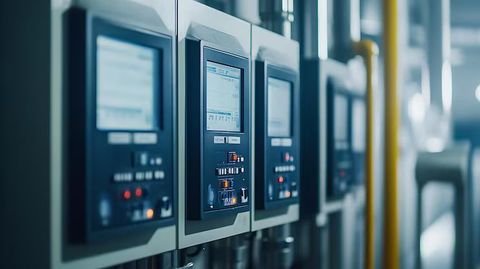
Modern case erectors increasingly use sensors, programmable logic controllers, servo-driven mechanisms, pneumatic components, and digital operator interfaces. These technologies help coordinate carton feeding, opening, flap folding, sealing, and transfer between packaging stages.
Context
Case erectors are designed around the specific geometry and material characteristics of corrugated cases. Carton blanks are normally stored in a magazine before entering the forming mechanism.
Main Components
A typical case erector includes a carton magazine, blank-picking mechanism, opening system, flap-folding components, sealing equipment, conveyors, sensors, and a control system.
The machine's components work together in a defined sequence to turn a flat carton into a formed case.
| Component | Main Function |
|---|---|
| Carton magazine | Holds flat case blanks |
| Blank feeder | Separates and transfers individual cases |
| Vacuum or gripping system | Picks up carton blanks |
| Opening mechanism | Forms the flat blank into a box |
| Squaring system | Aligns the case geometry |
| Flap folders | Positions bottom flaps |
| Tape or adhesive unit | Secures selected flaps |
| Conveyor | Transfers formed cases |
| Sensors | Detect carton position and machine conditions |
| Control system | Coordinates machine operations |
How Case Erectors Work
The process begins with flat cartons stored in a magazine. A feeding mechanism removes one blank and positions it within the forming area.
The blank is opened by mechanical, pneumatic, or vacuum-assisted mechanisms. Once the case reaches its required shape, the bottom flaps are folded into position.
A sealing mechanism can apply tape, adhesive, or another approved closure method. The formed case is then transferred to the next packaging stage.
Carton Feeding
Consistent carton feeding is important because the machine must process individual blanks in a controlled sequence. Sensors and mechanical guides can help detect carton position and identify feeding interruptions.
The magazine capacity and replenishment arrangement vary according to machine configuration and production requirements.
Case Squaring
After opening, the carton needs to achieve a suitable rectangular form. Squaring mechanisms help align the walls and flaps before the case is transferred.
Accurate forming can make subsequent filling and sealing operations more consistent.
Bottom Sealing
Different case erectors use different sealing methods. Pressure-sensitive tape, hot-melt adhesive, or other closure arrangements may be selected according to the carton material and packaging process.
The sealing system must be compatible with the carton construction and downstream requirements.
Importance
Case erectors provide an important automation stage in packaging operations by preparing empty cartons without requiring continuous manual folding and sealing.
Packaging Line Automation
A case erector can connect directly with upstream and downstream equipment. Once cases are formed, conveyors can transfer them to product loading, case packing, or other automated processes.
Synchronization helps maintain a consistent flow between machines.
Consistent Case Formation
Automated mechanisms can follow the same forming sequence for each carton. Consistent opening and squaring can help ensure that cases reach the next packaging stage in a predictable condition.
The actual result depends on carton quality, machine adjustment, material characteristics, and operating conditions.
Reduced Manual Handling
Automating repetitive box-forming tasks can reduce the amount of manual carton preparation required on a packaging line.
Workers may instead focus on machine monitoring, material replenishment, quality checks, and other operational activities.
Carton Compatibility
Case erectors can be configured for different carton sizes and styles. However, a machine is generally designed around a defined range of blank dimensions, board thicknesses, and carton constructions.
Changeover systems can allow operators to adjust guides, magazines, forming mechanisms, and other components for different case formats.
Line Coordination
Case erectors often work alongside case packers, case sealers, conveyors, labeling systems, checkweighers, and palletizers.
Communication between these machines helps prevent cases from accumulating or creating gaps in the packaging process.
Recent Updates
From 2024 through 2026, developments in case erector technology have continued to emphasize automation, flexible changeovers, sensor integration, digital controls, machine monitoring, and packaging-line connectivity.
Servo-Driven Systems
Servo motors can provide controlled movement for selected forming and feeding mechanisms. Their electronic control allows motion profiles to be adjusted according to machine requirements.
Servo technology can also support repeatable positioning during carton handling.
Sensor Integration
Sensors are used to detect carton presence, position, flap movement, adhesive conditions, conveyor status, and other machine states.
These signals can be processed by the control system to coordinate different stages and identify interruptions.
Digital Operator Interfaces
Human-machine interfaces provide operators with access to machine settings, alarms, production information, and selected adjustment functions.
Digital interfaces can simplify format changes and make operational conditions easier to monitor.
Automatic Changeovers
Packaging facilities may handle several carton formats on the same production line. Automated or assisted changeover systems can reduce the number of manual adjustments required when switching between supported case sizes.
The available changeover technology varies by machine design.
Predictive Monitoring
Connected equipment can provide information about operating hours, fault conditions, motor status, and other parameters. In some systems, this information can support condition monitoring and maintenance planning.
Predictive approaches depend on the sensors, software, and connectivity available on the specific machine.
Packaging Line Connectivity
Case erectors can communicate with other packaging equipment through industrial communication networks. This allows machine states and production signals to be exchanged across the line.
Connectivity can support coordinated starts, stops, fault responses, and production monitoring.
Improved Handling
Modern case-forming mechanisms increasingly focus on controlled carton movement. This can include improved vacuum handling, mechanical guides, servo positioning, and optimized flap-folding mechanisms.
These features are particularly relevant when packaging lines handle multiple case formats.
Laws or Policies
Case erectors are subject to machinery safety, electrical, workplace, packaging, and environmental requirements that vary according to the jurisdiction and industry.
Machine Safety
Case erectors contain moving belts, conveyors, mechanical arms, vacuum systems, folding mechanisms, and sealing equipment. Guarding and access controls help protect workers from moving components.
Emergency-stop systems and interlocked access points may be incorporated into the machine's safety architecture.
Electrical Safety
Control panels, servo drives, sensors, motors, and other electrical components must be installed and maintained according to applicable electrical requirements.
Maintenance work should follow appropriate isolation procedures before personnel access hazardous machine areas.
Pneumatic Systems
Some case erectors use compressed air for gripping, folding, positioning, or other functions. Pneumatic pressure can create mechanical movement even when electrical components are not actively moving.
Appropriate pressure isolation and maintenance procedures are therefore important.
Adhesive and Sealing Systems
Hot-melt adhesive systems can involve elevated temperatures. Workers operating or maintaining these systems should follow the applicable safety instructions for hot materials and heated equipment.
Tape-based systems have different operational considerations but still contain moving mechanisms that require appropriate guarding.
Packaging Requirements
Packaging operations may be subject to industry-specific requirements concerning material compatibility, hygiene, labeling, product protection, and traceability.
Food, pharmaceutical, chemical, and other regulated industries can have additional packaging requirements.
Tools and Resources
Several tools and resources support case erector operation, adjustment, inspection, and maintenance.
Carton Magazines
The magazine stores flat case blanks before they enter the forming mechanism. Correct magazine loading and adjustment are important for reliable feeding.
Vacuum Systems
Vacuum cups and related components can pick and transfer carton blanks. Vacuum pressure and cup condition can influence handling reliability.
Sealing Equipment
Tape heads, adhesive applicators, nozzles, and related components support bottom flap closure. These systems require inspection and adjustment according to their operating method.
Sensors
Photoelectric sensors, proximity sensors, encoders, and other devices can detect carton position and machine movement.
Sensor alignment and cleanliness can be important for reliable operation.
Control Systems
Programmable logic controllers coordinate machine functions. Human-machine interfaces allow operators to view alarms, select settings, and monitor production conditions.
Maintenance Resources
Maintenance documentation can include electrical diagrams, pneumatic schematics, lubrication instructions, sensor specifications, changeover procedures, and replacement-component information.
Routine inspection can identify worn belts, damaged vacuum cups, misaligned guides, adhesive buildup, sensor problems, and mechanical wear.
FAQs
What are case erectors used for?
Case erectors are used to automatically form flat corrugated carton blanks into open boxes. They can also fold and seal selected bottom flaps before the cases move to a filling or packing stage.
How do case erectors work?
A case blank is removed from a magazine, opened into a box shape, squared, and prepared for bottom closure. Tape, adhesive, or another sealing method can then secure the case before it is transferred to the next packaging stage.
What are the main parts of case erectors?
Major components include the carton magazine, blank feeder, gripping or vacuum system, opening mechanism, squaring system, flap folders, sealing unit, conveyor, sensors, and control system.
How are case erectors integrated into packaging lines?
Case erectors can connect with conveyors, case packers, filling systems, case sealers, labeling equipment, and palletizers. Signals between machines help coordinate carton flow and production sequences.
What technologies are used in modern case erectors?
Modern case erectors can use servo drives, sensors, programmable controls, digital interfaces, automatic changeover systems, machine monitoring, and industrial communication networks.
Conclusion
Case erectors automate the transformation of flat corrugated blanks into formed cases, making them an important component of automated packaging lines. Their feeding, opening, squaring, flap-folding, sealing, and conveyor systems work together to prepare cartons for subsequent packaging stages.
Recent technology developments include servo-driven mechanisms, improved sensors, digital operator interfaces, automatic changeovers, condition monitoring, and packaging-line connectivity. Proper carton selection, machine adjustment, routine inspection, safe operation, and suitable integration with downstream equipment remain important for reliable case forming.