Backhoe Loaders: Explore Versatile Earthmoving Technology and Construction Applications
Backhoe loaders are versatile construction machines that combine a front loader with a rear digging arm. They can perform excavation, material handling, trenching, backfilling, and site preparation tasks using one mobile platform. Modern backhoe loaders incorporate hydraulic systems, electronic controls, operator-assistance features, and improved attachment options for varied construction and earthmoving applications.
Backhoe Loaders: Explore Versatile Earthmoving Technology and Construction Applications
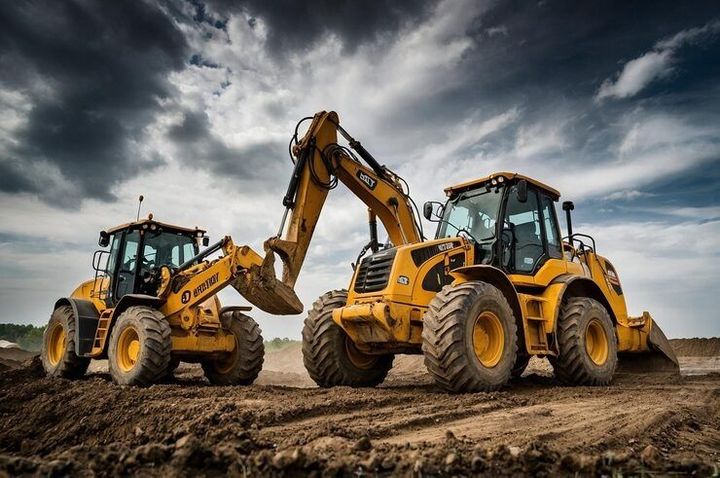
Backhoe loaders are versatile earthmoving machines designed to perform several construction tasks with one mobile platform. They typically combine a front-mounted loader bucket with a rear-mounted backhoe assembly, allowing the machine to move materials as well as excavate soil.
This combination makes backhoe loaders useful across construction, utility work, landscaping, road maintenance, agricultural activities, and general site preparation. Instead of requiring separate machines for every basic task, a backhoe loader can switch between loading, digging, trenching, backfilling, and material handling functions.
The machine's versatility comes from its hydraulic systems and interchangeable attachments. Operators can use different buckets, forks, breakers, augers, compactors, and other implements depending on the work being performed.
Modern backhoe loaders increasingly incorporate electronic monitoring, hydraulic control systems, operator-assistance technology, improved visibility, and telematics. These developments help connect machine functions with changing requirements on construction sites.
Context
A backhoe loader has two primary working ends. The front loader is mainly used for lifting, carrying, grading, and moving loose material, while the rear backhoe is designed for digging and excavation.
Main Components
The front section generally contains a loader bucket and lift arms. Hydraulic cylinders raise and lower the arms and control the bucket position.
At the rear, the backhoe consists of a boom, dipper or stick, bucket, and hydraulic cylinders. Stabilizer legs provide additional support while excavation is taking place.
| Component | Main Function |
|---|---|
| Front loader bucket | Moves and loads loose materials |
| Loader arms | Raise and position the front bucket |
| Backhoe boom | Supports the rear digging assembly |
| Dipper or stick | Extends the digging reach |
| Digging bucket | Excavates and moves soil |
| Hydraulic cylinders | Operate loader and digging functions |
| Stabilizer legs | Support the machine during excavation |
| Operator cab | Provides controls and protection |
| Transmission | Transfers engine power to the machine |
| Attachments | Adapt the machine for different tasks |
How Backhoe Loaders Work
The machine uses an engine and hydraulic system to power its movement and working attachments. Hydraulic pumps generate fluid flow that is directed to cylinders and motors through control valves.
For excavation, the operator positions the rear assembly and lowers the stabilizers. The boom, dipper, and bucket then work together to break into the soil, lift material, and move it toward the desired location.
For loading operations, the front bucket collects loose material and is raised using hydraulic lift arms. The machine can then carry the material to another point or load it into suitable equipment.
Mobility
Backhoe loaders are generally designed for movement between different areas of a construction site. Their wheeled configuration allows them to travel across suitable surfaces without requiring a separate transport system for every short relocation.
Some models can also use stabilizers and other support systems when carrying out excavation work. Proper positioning is important because digging forces can affect machine stability.
Attachments
Attachments extend the range of tasks a backhoe loader can perform. A machine may be equipped with different buckets for excavation or material handling, while specialized tools can support breaking, drilling, trenching, grading, or other operations.
Attachment compatibility depends on hydraulic capacity, mounting arrangements, machine specifications, and the requirements of the task.
Importance
Backhoe loaders are important because they combine several basic earthmoving functions in a single machine.
Excavation
The rear backhoe assembly can excavate soil for foundations, drainage routes, utility trenches, landscaping projects, and other site activities.
Digging depth and reach depend on the machine configuration, boom and dipper design, bucket dimensions, and operating conditions.
Material Handling
The front loader can collect and move loose materials such as soil, sand, gravel, and construction debris. It can also help with loading and stockpile management.
The machine's loading capability depends on bucket configuration, hydraulic capacity, operating weight, and material characteristics.
Trenching
Utility and drainage projects frequently require narrow excavations. A suitable backhoe bucket can create trenches while the machine remains positioned alongside the work area.
Different bucket widths allow the excavation to be adapted to the required trench dimensions.
Backfilling
After underground work is completed, excavated material may need to be returned to the trench. The loader bucket can help move and place material during backfilling.
Proper backfilling also involves suitable compaction and material management, so the backhoe loader is only one part of the overall process.
Site Preparation
Backhoe loaders can assist with clearing, grading, spreading material, and preparing areas before other construction activities begin.
Their combination of front and rear attachments makes them suitable for projects where work requirements change frequently.
Utility Construction
Utility contractors can use backhoe loaders for excavation around water, drainage, electrical, communications, and other underground infrastructure.
Because underground work may involve existing infrastructure, operators need accurate site information and appropriate excavation procedures before beginning work.
Recent Updates
From 2024 through 2026, backhoe loader technology has continued to develop around hydraulic control, digital monitoring, operator assistance, connectivity, and attachment integration.
Electronic Hydraulic Controls
Modern machines can use electronic controls to manage hydraulic functions more precisely. Depending on the design, these systems can coordinate engine output, hydraulic flow, and attachment movements.
Electronic control can also allow selected machine functions to be adjusted according to the task.
Telematics
Telematics systems can connect machines to digital monitoring platforms. Depending on the equipment, these systems may provide information about machine location, operating hours, fuel use, maintenance alerts, and diagnostic conditions.
Such information can support equipment planning and routine maintenance management.
Operator-Assistance Features
Newer backhoe loaders may incorporate features designed to improve operator awareness and control. These can include improved displays, rear-view systems, cameras, automatic functions, and other electronic assistance technologies.
The exact features vary between machine configurations.
Improved Hydraulic Systems
Hydraulic technology remains central to backhoe loader performance. Manufacturers continue to develop hydraulic systems that coordinate pump output, control valves, cylinders, and engine power.
Load-sensing and electronically managed hydraulic systems can adjust hydraulic behavior according to demand in supported configurations.
Attachment Management
Modern attachment systems can make it easier to change tools and match hydraulic functions to different implements. Some machines may recognize or configure selected attachment parameters through electronic controls.
Attachment management remains dependent on compatibility between the machine, mounting system, hydraulic circuit, and implement.
Operator Environment
Cab design continues to emphasize visibility, control placement, seating, displays, and noise management. Better visibility can help operators monitor the working area and coordinate machine movement.
Operator comfort and awareness can be particularly important when the machine changes frequently between front and rear working functions.
Laws or Policies
Backhoe loader operations are subject to workplace safety, equipment, environmental, transportation, and construction requirements that vary by jurisdiction.
Workplace Safety
Backhoe loaders are heavy mobile machines with multiple moving assemblies. Workers should remain outside designated operating areas unless their presence is required and controlled.
Operators should follow site traffic procedures, equipment instructions, communication protocols, and appropriate training requirements.
Excavation Safety
Excavation work can expose workers to risks associated with unstable soil, underground utilities, water, and nearby structures. Site teams should identify underground infrastructure and follow applicable excavation safety procedures before digging.
The machine operator should also consider the stability of the excavation and surrounding ground conditions.
Machine Stability
Stabilizer legs should be positioned on suitable ground according to the manufacturer's instructions. Uneven or weak surfaces can affect machine stability during excavation.
The machine should also be positioned appropriately relative to trenches, slopes, edges, and nearby structures.
Overhead and Underground Hazards
Backhoe loaders may operate near electrical lines, communication infrastructure, pipelines, and other utilities. Construction teams should establish the location of known hazards before machine operation.
Local regulations may specify clearance distances, utility-location procedures, and communication requirements.
Environmental Requirements
Construction activities can generate dust, noise, exhaust emissions, disturbed soil, and material runoff. Projects may therefore have environmental requirements covering equipment operation and site management.
Fuel, hydraulic fluids, lubricants, and other materials should be handled in accordance with applicable environmental procedures.
Tools and Resources
Backhoe loader operation depends on a range of tools, attachments, measurement systems, and maintenance resources.
Excavation Buckets
Buckets are available in different widths and configurations. Narrow buckets can be used for trenching, while wider buckets can support general excavation and material movement.
Bucket selection should match the machine's hydraulic capacity and the material being excavated.
Hydraulic Attachments
Hydraulic breakers can be used for selected demolition and material-breaking applications. Augers can support drilling, while other hydraulic implements can perform specialized tasks.
The machine must have suitable hydraulic flow and pressure for the selected attachment.
Grading Attachments
Grading buckets and other attachments can help shape and level soil or aggregate. The appropriate tool depends on the required surface profile and material.
Site Measurement Tools
Surveying equipment, laser levels, positioning systems, and digital site plans can help operators establish excavation depths, grades, alignments, and locations.
Accurate site information is especially important when excavation occurs near existing infrastructure.
Maintenance Resources
Maintenance documentation commonly covers engine systems, hydraulic components, filters, lubrication points, tires, brakes, electrical systems, and attachment connections.
Routine inspection can help identify leaks, worn components, damaged hoses, loose connections, and other issues.
Telematics and Diagnostic Systems
Digital diagnostic systems can provide information about machine operating conditions and fault codes. Telematics platforms can also record selected operating data.
These resources can support maintenance planning and equipment monitoring when available.
FAQs
What are backhoe loaders used for?
Backhoe loaders are used for excavation, trenching, loading, backfilling, grading, material handling, and site preparation. They are common in construction, utility, road maintenance, landscaping, and infrastructure projects.
How do backhoe loaders work?
Backhoe loaders use a front loader assembly for lifting and material movement and a rear backhoe assembly for digging. Hydraulic systems power the cylinders that move the buckets, boom, dipper, and loader arms.
What are the main parts of backhoe loaders?
The main components include the front loader bucket, loader arms, rear boom, dipper, digging bucket, hydraulic cylinders, stabilizers, operator cab, engine, transmission, and attachment systems.
Why are backhoe loaders versatile?
Backhoe loaders combine loading and excavation capabilities in one mobile machine. Interchangeable attachments further expand their ability to perform different construction and earthmoving tasks.
What technologies are used in modern backhoe loaders?
Modern backhoe loaders can incorporate electronic hydraulic controls, telematics, digital displays, cameras, operator-assistance systems, diagnostic tools, and attachment-management technology.
Conclusion
Backhoe loaders combine front-loading and rear-excavation capabilities to perform a wide range of earthmoving and construction tasks. Their hydraulic systems, buckets, stabilizers, and attachment options allow one machine to adapt to changing site requirements.
Recent developments have expanded the use of electronic hydraulic controls, telematics, digital monitoring, operator-assistance features, and attachment-management systems. Proper machine positioning, excavation planning, safety procedures, maintenance, and compliance with applicable construction requirements remain essential for effective operation.