Automatic Sorting System: An Overview of Modern Sorting Technology
An automatic sorting system is a technology designed to identify, separate, and organize materials or products according to predefined characteristics.
It is widely used in manufacturing plants, warehouses, recycling facilities, food processing units, and distribution centers. By combining sensors, conveyor belts, software, and mechanical equipment, an industrial sorting system can handle repeated sorting tasks with limited manual intervention.
Sorting technology developed from basic mechanical methods such as screens, chutes, and manual conveyor inspection. As industrial production expanded, manufacturers introduced automated sorting machines that could process materials more consistently. Modern systems now use optical sensors, computer vision, robotic mechanisms, and artificial intelligence to recognize and direct different items.
How Automatic Sorting Systems Work
An automatic material sorting system generally follows a sequence of steps. Materials enter the system through a feeding mechanism, where sensors or scanning equipment collect information about their size, shape, weight, color, composition, or position. A control system processes this information and directs each item toward a designated outlet or collection area.
Common components include:
- Conveyor systems: Move materials through different sorting stages.
- Sensors and cameras: Identify product characteristics and detect item positions.
- Control software: Processes sensor information and determines sorting actions.
- Mechanical diverters: Direct items into separate lanes, bins, or containers.
- Robotic arms: Pick and reposition selected objects in certain applications.
The configuration depends on the materials being handled, the required sorting criteria, and the operating environment.
Common Types of Sorting Technology
Different industries use specialized sorting equipment. An automatic optical sorting machine uses cameras, lighting, and image-processing technology to identify visual differences between items. A robotic sorting system uses programmed movements and sensor information to pick, place, or separate objects.
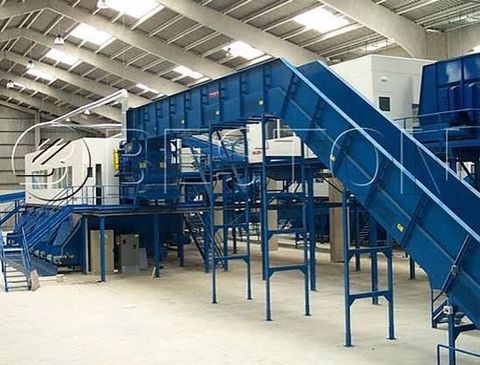
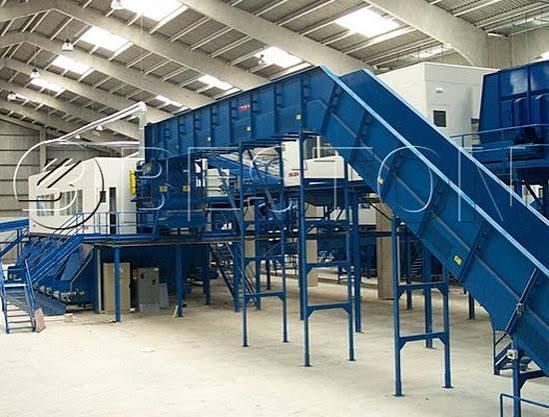
Other examples include automatic conveyor sorting systems for packages and manufactured products, as well as industrial waste sorting machines that separate recyclable materials. Each type is designed around particular material characteristics and production requirements.
Importance
Automatic sorting technology plays an important role in modern industrial operations because many facilities handle large quantities of products and materials every day. Manual sorting can involve repetitive movements, inconsistent classification, and difficulties when processing mixed materials at a high volume.
An automated sorting machine can help organize production activities by reducing the amount of repeated manual handling. It also supports more structured material flow between different stages of manufacturing, packaging, storage, and distribution.
Applications Across Industries
Automatic sorting systems are used in several sectors:
- Manufacturing: Separating components according to dimensions, quality characteristics, or product type.
- Recycling: Identifying and separating plastics, metals, paper, and other recoverable materials.
- Warehousing: Directing parcels and packages toward different destinations.
- Food processing: Sorting agricultural products according to size, color, or visible defects.
- Logistics: Organizing packages by route, destination, or handling requirements.
An automated warehouse sorting system, for example, can direct packages toward different dispatch areas based on barcode information or destination data. In recycling facilities, automated recycling sorting equipment can help separate mixed waste streams for further processing.
Operational Challenges
Sorting systems also have limitations. Materials that overlap, change shape, or have similar visual characteristics can be difficult to distinguish. Dust, lighting conditions, damaged sensors, and irregular material flow may also affect sorting accuracy.
Facilities must consider equipment maintenance, system integration, worker safety, and the handling of incorrectly classified items. The automatic sorting machine price can vary according to capacity, sensor technology, equipment configuration, installation requirements, and the type of materials being processed.
Recent Updates
Developments in sorting technology from 2024 through 2026 have continued to focus on artificial intelligence, machine vision, robotics, and improved equipment connectivity. These developments are changing how industrial facilities identify materials and coordinate sorting operations.
AI-Powered Sorting Systems
An AI powered sorting system can use machine learning and image recognition to classify items based on patterns in visual or sensor data. Unlike systems that rely entirely on fixed classification rules, AI-based equipment may recognize a wider range of variations when trained on suitable data.
These systems are being explored in recycling, food processing, manufacturing, and package handling. Their performance depends on training data, material conditions, sensor quality, and the complexity of the sorting task. Human inspection may remain necessary for uncertain or sensitive classifications.
Advances in Optical and Robotic Technology
Automatic optical sorting machines are incorporating developments in cameras, spectral sensors, and image-processing software. These technologies can help distinguish materials that look similar under ordinary lighting conditions.
Robotic sorting systems are also evolving through improvements in machine vision, gripping mechanisms, and movement planning. In suitable environments, robotic equipment can handle irregular objects and perform sorting tasks that require more flexible positioning than fixed mechanical diverters.
Integration and High-Capacity Processing
Modern industrial automated sorting equipment increasingly connects with production management software, warehouse platforms, and monitoring systems. This integration can provide information about material flow, equipment status, and sorting results.
A high capacity industrial sorting system may combine several sorting stages to handle different material categories. A complete automated sorting production line can connect feeding, identification, separation, inspection, and collection into one coordinated process.
| Sorting Technology | Main Function | Common Application |
|---|---|---|
| Optical sorting | Identifies visual or material differences | Food processing and recycling |
| Conveyor sorting | Directs items along designated routes | Warehouses and logistics |
| Robotic sorting | Picks and positions individual objects | Manufacturing and packaging |
| Sensor-based sorting | Separates items using measured properties | Industrial material processing |
| AI-based sorting | Classifies items using learned patterns | Recycling and product inspection |
| Mechanical sorting | Separates materials by physical characteristics | Waste processing and production |
Tools and Resources
Understanding sorting requirements involves examining material properties, processing capacity, equipment layout, and system performance. Several technical resources can help explain these factors.
Sorting System Design Tools
Process flow diagrams and facility layout software can help illustrate how materials move through a sorting operation. These tools can show conveyor routes, sensor locations, separation points, and collection areas.
Useful planning resources include:
- Material flow diagrams for mapping sorting stages.
- Equipment specification sheets for comparing technical capabilities.
- Conveyor capacity calculators for estimating material movement.
- Maintenance checklists for documenting inspection activities.
- Simulation software for studying sorting layouts and material flow.
Industry Standards and Technical Documentation
Equipment manuals and industrial automation documentation explain the operating principles of sensors, controllers, conveyor systems, and robotic equipment. Standards organizations such as the International Organization for Standardization (ISO) publish guidance relevant to machinery safety, automation, and industrial processes.
Recycling facilities can also consult technical publications from environmental agencies and waste management organizations. These resources provide background on material recovery, waste classification, and sorting practices.
FAQs
What is an automatic sorting system?
An automatic sorting system uses sensors, software, conveyors, or mechanical devices to identify and separate products or materials according to defined characteristics. It is used in manufacturing, recycling, warehousing, and other material-handling environments.
How does an industrial sorting system work?
An industrial sorting system receives materials, identifies relevant properties through sensors or scanning equipment, and directs items toward designated destinations. The sorting process may use mechanical diverters, air jets, robotic arms, or other separation mechanisms.
What factors affect automatic sorting machine price?
The automatic sorting machine price depends on processing capacity, sorting technology, sensor configuration, equipment size, material type, and integration requirements. Installation, maintenance, and operating requirements may also influence the overall financial planning involved.
What is an AI powered sorting system?
An AI powered sorting system uses artificial intelligence techniques to recognize and classify materials or products. It can analyze images and sensor information to support sorting decisions, although its results depend on data quality and operating conditions.
Where is automated waste sorting equipment used?
Automated waste sorting equipment is commonly used in recycling plants, material recovery facilities, and waste processing operations. It helps separate materials such as paper, metals, plastics, and other recyclable items for additional processing.
Conclusion
Automatic sorting systems use sensors, software, conveyors, and mechanical or robotic equipment to organize materials across various industries. Developments in artificial intelligence, optical recognition, and system integration are expanding the capabilities of modern sorting technology. Equipment selection and performance depend on material characteristics, processing capacity, operating conditions, and maintenance requirements. Understanding these factors provides a useful foundation for learning how modern industrial sorting operations function.