Automatic Filling Machines: An Overview of Modern Filling Technology
Automatic filling machines are equipment designed to place a measured quantity of a product into containers with limited manual intervention.
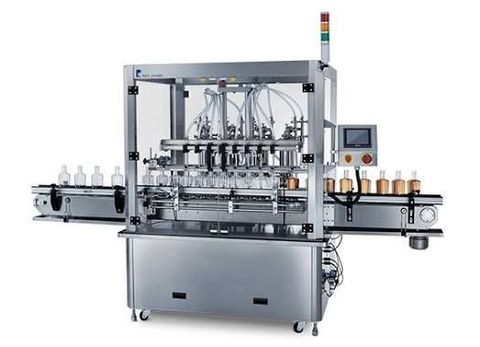
Automatic filling machines are used across food, beverage, cosmetics, chemical, pharmaceutical, and other manufacturing environments. Depending on the material and container, an automatic filling machine may handle liquids, powders, creams, granules, or other flowable products.
The development of automatic filling equipment came from the need to make repetitive filling activities more controlled and consistent. Earlier filling processes often depended heavily on manual measurement and handling. As manufacturing became more mechanized, industrial filling machines introduced pumps, valves, sensors, conveyors, and control systems to coordinate filling operations.
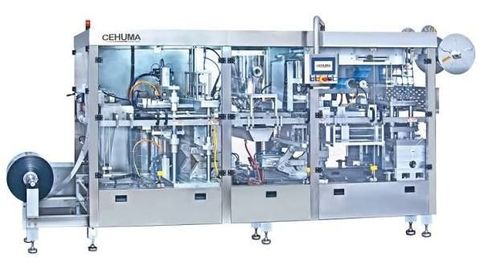
Today, automated filling systems can combine container movement, product measurement, filling, inspection, and related packaging activities. Industrial filling equipment may be designed for a particular product type or configured to accommodate different container shapes and production requirements.
How Filling Technology Works
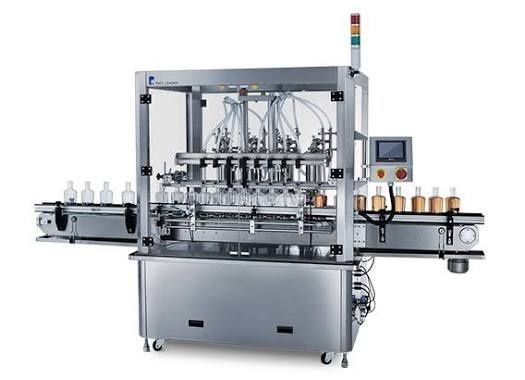
A typical filling line begins when empty containers enter the system through a conveyor or feeding mechanism. Sensors can detect container position, while a control system coordinates the filling sequence.
The filling mechanism then measures or controls the quantity of material entering each container. Depending on the application, the machine may use pumps, gravity, pressure, pistons, augers, or other measurement methods.
After filling, containers can move to additional stages such as capping, sealing, labeling, inspection, or secondary packaging. The exact sequence depends on the product, container, production environment, and applicable quality requirements.
Common Types of Filling Machines
Different materials require different filling methods. Some commonly used categories include:
- Liquid filling machines for beverages, chemicals, personal-care products, and other liquid materials.
- Automatic liquid filling machines designed to coordinate container feeding, measurement, and liquid dispensing.
- Pharmaceutical filling machines designed for controlled filling environments.
- Automatic bottle filling machines used with bottles and similar containers.
- Aseptic filling machines designed for filling processes where contamination control is particularly important.
- High speed filling machines designed for applications involving rapid container movement and repeated filling cycles.
The choice of equipment depends on factors such as viscosity, container dimensions, fill volume, production rate, cleaning requirements, and environmental conditions.
Importance
Automatic filling technology matters because filling is a central step in many manufacturing and packaging processes. The quantity placed into a container affects product consistency, packaging accuracy, material use, and downstream operations.
For consumers, filling technology can influence the consistency of packaged products encountered in stores, healthcare environments, and everyday household applications. For manufacturers, automated systems can coordinate repetitive operations while reducing the amount of direct manual handling involved in each cycle.
Supporting Consistent Filling
Manual filling can involve variations caused by measurement techniques, operator fatigue, container positioning, or changes in material behavior. Automated filling systems use programmed settings and mechanical or electronic controls to establish a repeatable filling sequence.
Precision filling equipment is particularly relevant when a specific quantity must be maintained within defined process limits. Sensors, flow meters, load cells, and other measurement technologies may be incorporated depending on the filling method.
Applications Across Industries
Automatic filling equipment is used in many sectors, including:
- Food and beverage packaging.
- Pharmaceutical and healthcare manufacturing.
- Cosmetics and personal-care production.
- Chemical and industrial product packaging.
- Household product packaging.
- Specialty liquid and semi-liquid applications.
Pharmaceutical filling equipment may require additional controls because sterile or sensitive products can require carefully managed environments. Aseptic filling machines can incorporate barrier systems, controlled airflow, automated handling, and monitoring technologies as part of contamination-control strategies.
Factors That Affect Machine Selection
Different filling applications require different equipment characteristics. Important considerations include:
- Product viscosity and physical properties.
- Required fill volume and measurement method.
- Container shape, material, and size.
- Required filling rate.
- Cleaning and changeover procedures.
- Environmental and hygiene requirements.
- Integration with upstream and downstream packaging equipment.
These factors help determine whether a basic filling machine or a more integrated automated filling system is appropriate for a particular process.
Recent Updates
From 2024 through 2026, filling technology has increasingly focused on automation, flexible equipment design, robotics, digital monitoring, and improved contamination-control methods. Industry discussions have also emphasized equipment that can handle different container formats and production configurations with less manual intervention.
More Flexible Automated Systems
Modern pharmaceutical filling systems are increasingly being designed around flexibility. Recent industry discussions describe systems capable of handling different primary container formats, including vials, syringes, and cartridges, while using modular equipment and automated transport.
This direction is relevant to facilities that need to process different products or batch configurations. Flexible designs can involve robotic handling, automated format adjustment, and integrated in-process controls.
Robotics and Aseptic Filling
Robotics has become an important area in advanced automatic filling systems, particularly in controlled pharmaceutical environments. Recent technical discussions have examined robotic handling, isolators, automated interventions, and systems designed to reduce direct human interaction with critical filling areas.
The focus is not limited to speed. Automation is also being examined in relation to contamination control, repeatability, environmental monitoring, and process verification.
Digital Monitoring and AI
Digital technologies are increasingly being connected with filling equipment. Recent industry examples include AI-assisted interfaces, digital monitoring, alarm management, and data-based analysis of machine conditions.
AI process features should still be understood as components within a larger control system. Their usefulness depends on data quality, system design, validation requirements, and appropriate human oversight.
Current Technology Overview
| Technology area | Common purpose | Example application |
|---|---|---|
| Automated filling | Repeated container filling | Food and beverage |
| Precision measurement | Controlled fill quantities | Pharmaceutical production |
| Robotics | Automated handling | Aseptic filling |
| Digital monitoring | Process and equipment visibility | Industrial filling |
| Flexible changeover | Different container formats | Multi-format packaging |
| AI-assisted controls | Data analysis and operator support | Modern filling equipment |
Tools and Resources
Several resources can help readers understand automatic filling technology and evaluate how different systems work. Technical manuals, process diagrams, equipment specifications, and packaging references can explain the relationship between filling methods and product characteristics.
Filling Process Documentation
Process maps and equipment checklists can help describe a filling line from container entry through final packaging. A basic process document can include:
- Container type and dimensions.
- Product characteristics.
- Target fill quantity.
- Filling mechanism.
- Conveyor arrangement.
- Inspection points.
- Cleaning and changeover requirements.
- Safety and control considerations.
These documents can help teams understand how individual machines connect with the wider production process.
Measurement and Calculation Resources
Fill-volume calculators and unit-conversion tools can assist with basic quantity calculations. Flow-rate calculations may also help explain how filling time relates to container volume and equipment throughput.
Technical standards and regulatory guidance are particularly relevant to pharmaceutical filling applications. Organizations such as the International Society for Pharmaceutical Engineering publish educational material covering aseptic processing, equipment design, automation, and contamination control. Recent industry guidance has discussed automated filling, isolators, robotics, and environmental monitoring.
Equipment Documentation
Manufacturer manuals and technical specifications can explain pump types, filling valves, sensor arrangements, container handling, control interfaces, and cleaning procedures. These documents should be considered alongside applicable technical, safety, and regulatory requirements when evaluating industrial automated filling equipment.
FAQs
What are automatic filling machines?
Automatic filling machines are systems that measure and dispense products into containers with limited manual intervention. They may use pumps, gravity, pressure, pistons, augers, or other mechanisms depending on the material.
How do automatic liquid filling machines work?
An automatic liquid filling machine generally positions containers, controls the liquid flow, measures the required quantity, and moves filled containers to the next stage. Sensors and programmed controls coordinate these activities.
What are pharmaceutical filling machines used for?
Pharmaceutical filling machines are used to place pharmaceutical products into containers under controlled manufacturing conditions. Depending on the application, pharmaceutical filling equipment may incorporate sterile environments, isolators, robotics, monitoring systems, and validation procedures.
What are aseptic filling machines?
Aseptic filling machines are designed for filling processes where maintaining a controlled and low-contamination environment is important. They may use barrier technologies, controlled airflow, automated handling, and environmental monitoring.
What are high speed filling machines?
High speed filling machines are designed to handle repeated filling cycles at relatively rapid production rates. Their actual operating rate depends on the product, container format, filling method, machine configuration, and other line conditions.
Conclusion
Automatic filling machines have developed from mechanically controlled filling equipment into integrated systems that can combine measurement, container handling, monitoring, and packaging operations. Industrial filling machines are used across many sectors, while specialized pharmaceutical filling machines and aseptic filling machines address more controlled environments. Recent developments have placed greater attention on robotics, flexible formats, digital monitoring, AI-assisted controls, and contamination control. The appropriate filling technology depends on the product, container, process requirements, operating environment, and applicable standards.