Wheel Loaders: Insights Into Loading Technology, Machine Features, and Site Applications
Wheel loaders are versatile heavy machines used for loading, moving, lifting, and handling materials across construction, mining, quarrying, agriculture, and industrial sites. They combine a front-mounted bucket, articulated steering, hydraulic systems, powerful drivetrains, and operator controls. Modern wheel loaders increasingly use digital monitoring, automation, payload systems, and improved control technologies for consistent material-handling operations.
Wheel Loaders: Insights Into Loading Technology, Machine Features, and Site Applications
Context
Wheel loaders are mobile heavy equipment designed primarily for scooping, lifting, transporting, and loading loose materials. They are widely used across construction sites, mines, quarries, aggregate plants, industrial facilities, agricultural operations, and material-handling environments.
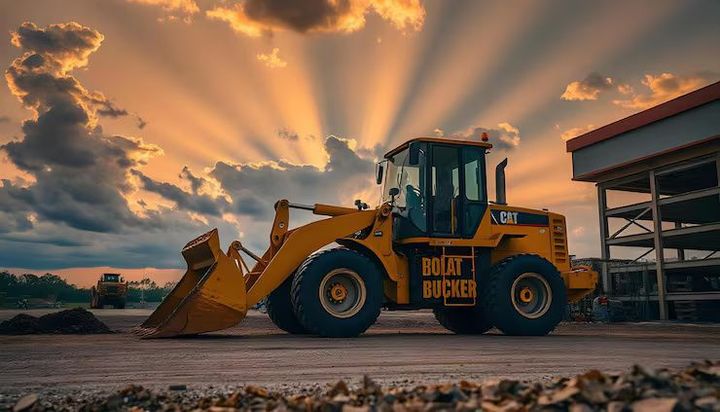
A wheel loader normally uses a large bucket mounted at the front of the machine. The bucket is connected to a hydraulic lift-arm arrangement that allows the operator to lower it toward the ground, collect material, raise the load, and discharge it into another vehicle, hopper, or stockpile.
Unlike crawler-based earthmoving machines, wheel loaders use wheels for mobility. This allows them to travel efficiently across suitable prepared surfaces while providing good maneuverability around loading and stockpile areas.
The major systems of a wheel loader include:
Engine or propulsion system
Transmission and drivetrain
Axles and wheels
Articulated steering system
Hydraulic system
Lift arms
Front bucket
Operator cab
Braking system
Electronic monitoring and control systems
The machine's operating cycle generally involves approaching a material pile, positioning the bucket, filling it, reversing, transporting the load, and raising the bucket to discharge the material. The exact sequence depends on the site layout and material-handling task.
Types of Wheel Loaders
Wheel loaders are available in different sizes and configurations. Compact wheel loaders are designed for applications where maneuverability and smaller working dimensions are important.
Medium-sized wheel loaders are commonly used for general construction, aggregate handling, roadwork, and industrial material movement. Larger wheel loaders are designed for high-volume material handling and demanding mining or quarrying environments.
The bucket configuration can also vary. General-purpose buckets are used for many loose-material applications, while specialized buckets may be designed for specific materials or operating conditions.
Some wheel loaders can also use attachments such as forks, grapples, material-handling tools, and other implements. The attachment must be appropriate for the machine's hydraulic capacity and operating limits.
Main Machine Features
The bucket is one of the most visible components of a wheel loader. Its capacity, shape, cutting edge, and configuration influence how much material the machine can collect and handle during each cycle.
The hydraulic system controls the lift arms and bucket. Hydraulic cylinders convert fluid pressure into mechanical movement, allowing the operator to raise, lower, tilt, and position the bucket.
Articulated steering is common on larger wheel loaders. The machine is divided into front and rear sections connected by an articulation joint, allowing the loader to change direction while maintaining a relatively compact turning path.
The drivetrain transfers power to the wheels. Transmission design, axle configuration, tire selection, and operating mode influence how the machine performs across different surfaces.
The operator cab contains steering controls, hydraulic controls, displays, cameras, communication systems, and other equipment used to manage the machine.
Importance
Wheel loaders are important because they combine mobility with lifting and material-handling capability. Their ability to quickly move between stockpiles, trucks, hoppers, and other work areas makes them useful in many industries.
Material Loading
One of the primary applications of a wheel loader is transferring material into haul trucks or other transportation equipment. The loader collects material from a pile and raises the bucket to the required discharge position.
Loading performance depends on bucket capacity, material density, machine power, travel distance, loading arrangement, and operator technique.
Stockpile Management
Wheel loaders can move materials around stockpile areas and organize different material fractions. In aggregate operations, for example, a loader may handle processed stone, sand, gravel, or other bulk materials.
The machine's maneuverability allows it to work around stockpiles while maintaining access to loading areas.
Construction Applications
Construction projects use wheel loaders for moving soil, aggregates, sand, gravel, debris, and other loose materials. They can support site preparation, road construction, trench backfilling, material distribution, and general earthmoving activities.
Compact models may operate in smaller spaces, while larger configurations are suitable for substantial material-handling requirements.
Mining and Quarrying
Wheel loaders are used in mining and quarrying for loading fragmented rock, aggregate, minerals, and other materials. Larger machines can work alongside excavators, crushers, screens, conveyors, and haul trucks.
The operating environment can be demanding because of rough surfaces, abrasive materials, substantial loads, and extended working cycles.
Industrial Material Handling
Industrial facilities may use wheel loaders to handle bulk materials such as raw materials, aggregates, waste materials, and processed products.
The machine configuration can be adapted through appropriate attachments and bucket designs depending on the material and working environment.
Recent Updates
Wheel loader technology continues to develop through digital monitoring, payload systems, operator assistance, automation, connectivity, and improvements in power and energy management.
Digital Monitoring
Modern wheel loaders can use electronic sensors and onboard systems to monitor machine conditions. Information may include engine or motor parameters, hydraulic temperatures, fuel or energy use, operating hours, and system alerts.
Digital displays allow operators to see selected machine information while working. Connected systems can also transmit operating data to authorized monitoring platforms.
Payload Monitoring
Payload systems can estimate or record the amount of material carried in the bucket. This information can help operators manage loads and provide greater visibility into material movement.
Payload data can also support production tracking and coordination between loaders and haulage equipment.
Operator Assistance
Modern wheel loaders may include cameras, proximity sensors, improved displays, and electronic control systems. These technologies can improve visibility around the machine and provide additional information during loading operations.
Some systems can assist with repetitive bucket positioning or machine functions. The specific capabilities vary according to the equipment configuration.
Automation
Automation is becoming increasingly relevant in controlled material-handling environments. Certain wheel loaders can use automated functions for repetitive movements, bucket positioning, or predefined operating cycles.
Automation can support consistent operation, but trained operators and site controls remain important where machines interact with people and other equipment.
Improved Power Management
Manufacturers continue to develop engines, transmissions, hydraulic systems, and electronic controls that can adjust machine operation according to workload.
Different operating modes can allow the machine to respond to lighter or heavier tasks. Electric and alternative-power concepts are also receiving attention across the wider heavy-equipment sector.
Connected Equipment
Connectivity allows selected machine information to be transmitted to centralized systems. This can provide visibility into operating hours, machine status, alerts, and selected maintenance information.
Connected technologies can be particularly useful across sites operating multiple machines because equipment information can be reviewed through common digital platforms.
Laws or Policies
Wheel loaders are subject to workplace safety, equipment, environmental, and site-specific requirements. Exact regulations vary by country, industry, machine configuration, and operating environment.
Workplace Safety
Safety procedures commonly address operator training, machine inspection, visibility, access, braking, steering, attachment handling, and interaction with pedestrians and other equipment.
Pre-operation checks may cover tires, wheels, hydraulic hoses, cylinders, bucket components, steering, brakes, warning systems, lights, mirrors, cameras, and fluid levels.
Load Handling
Operators need to remain within the machine's specified operating limits. Load distribution and bucket position can affect stability, visibility, hydraulic loads, and machine behavior.
Attachments should be compatible with the machine and used according to the manufacturer's documentation.
Site Traffic
Construction and industrial sites may establish designated travel routes, speed controls, pedestrian exclusion areas, loading zones, and communication procedures.
These measures are particularly important where wheel loaders operate alongside dump trucks, excavators, forklifts, workers, and other mobile equipment.
Environmental Requirements
Wheel loader operations can be subject to requirements concerning exhaust emissions, noise, dust, fuel handling, waste, and site disturbance.
Specific environmental controls depend on local regulations and the characteristics of the site. Electric equipment can introduce additional considerations related to electrical systems and charging infrastructure.
Tools and Resources
Wheel loaders use a combination of mechanical components, hydraulic systems, inspection equipment, electronic controls, and technical documentation.
| Tool or Resource | Main Function |
|---|---|
| Front bucket | Scoops, carries, and discharges material |
| Hydraulic cylinders | Raise and tilt the bucket |
| Articulation joint | Enables steering movement |
| Payload system | Monitors material quantity |
| Cameras and sensors | Improve visibility and awareness |
| Diagnostic equipment | Monitors machine systems |
| Tire inspection tools | Check wheel and tire condition |
| Technical manuals | Provide operating and maintenance procedures |
Buckets and cutting edges experience significant wear when handling abrasive materials. Regular inspection helps identify worn teeth, cutting edges, cracks, deformation, and attachment-related issues.
The hydraulic system also requires attention because pumps, cylinders, hoses, valves, and fittings operate under pressure. Inspection procedures should follow equipment documentation and site requirements.
Tires are another important component. Wheel loaders operate under substantial loads, and tire condition can affect traction, stability, handling, and machine mobility.
Diagnostic systems can provide electronic information about engine, transmission, hydraulic, and control systems. Combining diagnostic information with physical inspections can help identify unusual operating conditions.
Maintenance documentation, inspection checklists, operator manuals, parts information, and site safety procedures are useful resources for managing wheel loader operations.
FAQs
What are Wheel Loaders used for?
Wheel Loaders are used for scooping, lifting, transporting, loading, and moving loose materials. Common applications include construction, mining, quarrying, aggregate handling, industrial operations, agriculture, and site preparation.
How do Wheel Loaders work?
Wheel Loaders use a front-mounted bucket connected to hydraulic lift arms. The machine approaches a material pile, fills the bucket, raises the load, transports it, and then tilts the bucket to discharge the material.
What are the main types of Wheel Loaders?
Wheel Loaders are available in compact, medium, and large configurations. Their size and bucket capacity can vary according to the intended application, terrain, material, and required operating cycle.
What features are important in Wheel Loaders?
Important features include bucket design, hydraulic capacity, lift-arm arrangement, articulated steering, drivetrain, tires, operator controls, braking systems, visibility equipment, payload monitoring, and machine-control technology.
How is technology changing Wheel Loaders?
Modern Wheel Loaders increasingly use digital monitoring, payload systems, cameras, sensors, connectivity, operator-assistance functions, automation, and improved power-management technologies. These developments can support greater control and visibility during material-handling operations.
Conclusion
Wheel loaders are versatile machines used for loading, transporting, lifting, and handling materials across construction, mining, quarrying, and industrial environments. Their combination of mobile wheel systems, hydraulic lifting equipment, front buckets, articulated steering, and electronic controls allows them to perform a wide range of material-handling tasks. Recent developments in payload monitoring, digital connectivity, automation, operator assistance, and power management are adding new capabilities to modern machines. Appropriate configuration, regular inspection, safe operation, and compliance with applicable requirements remain important for reliable wheel loader use.