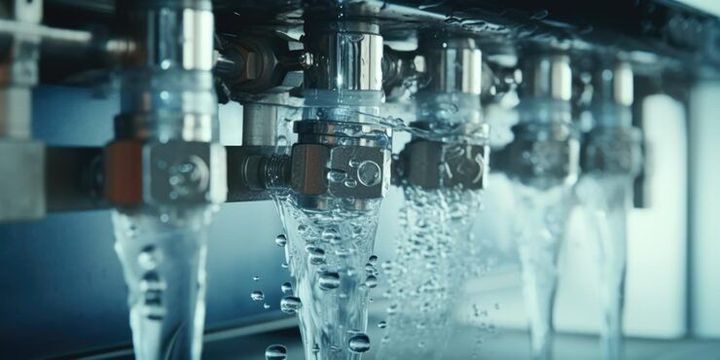
Water for Injection Systems: Guide to Components, Processes, and Practical Insights
Water for Injection Systems are pharmaceutical water systems designed to produce, store, and distribute highly purified water used in the manufacture of injectable medicines and other applications requiring a high level of chemical and microbiological control.
Water for Injection, commonly abbreviated as WFI, is not simply ordinary drinking water that has been filtered. It is a defined pharmaceutical-grade water with requirements established by recognized pharmacopoeias and regulatory frameworks. USP describes WFI as water purified by distillation or by a purification process equivalent or superior to distillation for removing chemicals and microorganisms.
WFI can be used as an ingredient in the preparation of parenteral medicines and in other pharmaceutical processes where its specific quality is required. The exact application depends on the product, manufacturing process, and applicable pharmacopoeia.
Why WFI Requires a Dedicated System
Water can contain dissolved minerals, organic substances, microorganisms, particles, and other impurities. Even after purification, water can become contaminated again if the storage tank, pipes, valves, or distribution conditions are poorly controlled.
For this reason, a WFI system is considered a complete process rather than a single purification machine. It normally includes pretreatment, purification equipment, storage, distribution, monitoring, sanitization, and quality-control activities.
WHO emphasizes a life-cycle approach covering source-water collection, treatment, WFI production, storage, distribution, use, and control.
Typical WFI System Flow
A simplified pharmaceutical water pathway can look like this:
Source Water → Pretreatment → Purification → WFI Generation → Storage → Distribution Loop → Point of Use
The actual configuration varies according to the water source, production capacity, chosen purification technology, pharmacopoeial requirements, facility design, and risk assessment.
Importance
Supporting Pharmaceutical Manufacturing
Water is used throughout pharmaceutical manufacturing. It can act as an ingredient, processing material, cleaning medium, or input for specific manufacturing stages.
WFI is particularly important when the intended pharmaceutical application requires a high level of control over chemical impurities, microorganisms, and bacterial endotoxins.
Controlling Microbial Contamination
Microorganisms can multiply in stagnant or poorly controlled water systems. Areas such as dead legs, poorly designed connections, unsuitable temperatures, and inadequate sanitization can increase contamination risks.
A properly designed distribution loop aims to minimize stagnant areas and maintain controlled conditions throughout the system.
Managing Endotoxins
Endotoxins are components associated with the outer membranes of certain Gram-negative bacteria. They can remain in water even after microorganisms have been removed or destroyed.
Therefore, WFI systems need processes and controls that address both microorganisms and endotoxin-related risks. WHO guidance states that bulk WFI should meet relevant pharmacopoeial specifications for chemical and microbiological purity, including endotoxin requirements.
Maintaining Consistent Water Quality
A pharmaceutical water system must produce water of consistent quality rather than relying only on occasional testing.
Important factors include:
Source-water quality
Pretreatment performance
Purification efficiency
Equipment condition
Temperature control
Flow characteristics
Storage conditions
Distribution-loop design
Sanitization procedures
Sampling and laboratory testing
Main System Categories
| System Area | Main Function | Common Equipment |
|---|---|---|
| Pretreatment | Reduces incoming impurities | Filters, softeners |
| Primary purification | Removes dissolved contaminants | RO, deionization |
| WFI generation | Produces WFI quality water | Distiller or validated membrane system |
| Storage | Holds purified water | Sanitary storage tank |
| Distribution | Circulates water | Pumps, sanitary piping |
| Monitoring | Tracks quality and operation | Sensors, instruments |
| Sanitization | Controls microbial growth | Heat or chemical methods |
Recent Updates
Alternative WFI Production Technologies
One important development in pharmaceutical water systems has been the wider regulatory recognition of WFI production methods other than traditional distillation.
WHO published guidance specifically addressing WFI production by means other than distillation. The guidance describes the use of suitable purification technologies when they can consistently produce water meeting the required WFI specifications.
The European Medicines Agency also updated its pharmaceutical-water guideline following changes to the European Pharmacopoeia that allowed methods other than distillation for producing water of injectable quality.
Reverse Osmosis and Membrane Technologies
Reverse osmosis, ultrafiltration, and combinations of membrane technologies can form part of modern WFI production systems.
These approaches require appropriate pretreatment, microbial control, validation, monitoring, and ongoing control. The technology cannot be selected only because it removes a particular impurity; the complete process must demonstrate consistent pharmaceutical quality.
Updated European Pharmacopoeia Requirements
Pharmaceutical water standards continue to evolve internationally. In 2025, the European Pharmacopoeia Commission adopted revised texts covering Water for Injections, purified water, and total organic carbon testing. The revised WFI text included a change for sterilized water for injections in which the oxidizable-substances test was replaced by a total organic carbon test. The revised texts entered into force in 2026.
This development illustrates the broader movement toward more sensitive analytical methods and greater alignment between major pharmacopoeias.
International Harmonization
Pharmaceutical manufacturers often operate across multiple countries, making differences between pharmacopoeial requirements important.
USP, European Pharmacopoeia, Japanese Pharmacopoeia, and International Pharmacopoeia materials provide major references for pharmaceutical water quality. International organizations continue working toward greater alignment of water specifications and analytical approaches.
Digital Monitoring
Modern WFI systems increasingly use electronic monitoring for temperature, conductivity, flow, pressure, total organic carbon, and other parameters.
Automated monitoring can generate continuous operational information and help identify changes that may require investigation. Electronic records also support traceability when appropriately designed and controlled.
Laws or Policies
Global Pharmacopoeial Framework
There is no single worldwide law governing every WFI system. Requirements depend on the country, regulatory authority, pharmacopoeia, pharmaceutical product, and manufacturing activity.
Major references include:
United States: United States Pharmacopeia and applicable FDA requirements.
European Union: European Pharmacopoeia and EU pharmaceutical manufacturing requirements.
Japan: Japanese Pharmacopoeia and requirements administered through Japan's pharmaceutical regulatory framework.
International markets: WHO guidance and the relevant national pharmacopoeia may provide important references.
USP defines WFI as pharmaceutical water produced by distillation or an equivalent or superior purification process and without added substances.
WHO Guidance
WHO's good manufacturing practice guidance for pharmaceutical water addresses water quality throughout production, storage, and distribution.
The guidance emphasizes system design, control of contamination, qualification, validation, monitoring, maintenance, and appropriate documentation.
European Requirements
The European Medicines Agency's guideline on pharmaceutical water applies to human and veterinary medicines and addresses water grades used during pharmaceutical manufacturing. The current effective guideline incorporates changes associated with the European Pharmacopoeia's WFI requirements.
Japanese Pharmacopoeia
Japanese Pharmacopoeia materials recognize WFI production through distillation and specified membrane-based approaches, with controls intended to maintain quality equivalent to the required standard.
The Japanese framework also emphasizes microbial control when water is stored or produced through membrane-based systems.
Validation and Qualification
A WFI system generally requires documented qualification and validation activities appropriate to its design and intended use.
These activities can include equipment qualification, process validation, sanitization validation, performance monitoring, sampling plans, and ongoing review.
The objective is to demonstrate that the system consistently operates within defined requirements rather than relying on a single successful laboratory result.
Tools and Resources
Water Quality Monitoring Instruments
WFI systems can use several types of analytical and process instruments.
Conductivity meters measure electrical conductivity and can indicate changes in ionic contamination.
TOC analyzers measure total organic carbon and can help detect changes in organic contamination.
Temperature sensors monitor conditions important for microbial control and system operation.
Flow meters confirm circulation through distribution loops.
Pressure sensors help monitor pumps, filters, membranes, and piping conditions.
Storage Tanks
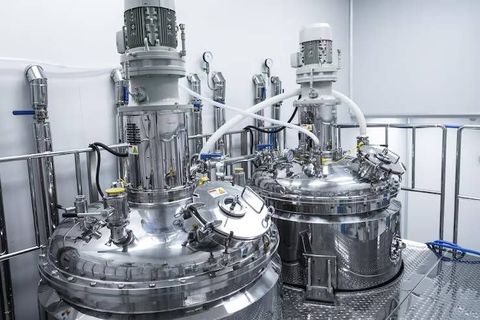
WFI storage tanks are generally designed with sanitary construction and controlled connections. Materials must be compatible with the water and sanitization method.
WHO guidance identifies appropriate construction materials as an important consideration and discusses materials such as stainless steel in pharmaceutical water systems.
Distribution Loops
A distribution loop circulates WFI from the storage area through connected points of use and back to the storage tank or designated return path.
Good design considers pipe diameter, flow velocity, temperature, drainability, valve arrangement, dead-leg control, and sanitization.
Sanitization Systems
Sanitization is used to control microbial proliferation within the system. Depending on system design, methods can include hot-water or steam-based approaches and selected chemical methods.
The chosen method must be compatible with the equipment, materials, operating conditions, and applicable pharmaceutical requirements.
Sampling and Laboratory Analysis
Routine sampling can include chemical and microbiological testing according to the approved monitoring program.
Sampling locations may include the storage tank, return loop, and points of use. The sampling plan should reflect the system design and quality risks.
System Documentation
Important documentation can include:
System design specifications
Equipment qualification records
Piping and instrumentation diagrams
Material certificates
Calibration records
Sanitization records
Sampling plans
Laboratory results
Maintenance records
Deviation investigations
Change-control documentation
FAQs
What are Water for Injection Systems?
Water for Injection Systems are integrated pharmaceutical water systems designed to produce, store, circulate, monitor, and control water meeting applicable WFI requirements.
How does a Water for Injection System work?
A typical system treats source water through one or more purification stages, produces WFI using an appropriate validated process, transfers it to sanitary storage, and circulates it through a controlled distribution loop.
Is WFI always produced by distillation?
No. Depending on the applicable pharmacopoeia and regulatory framework, validated purification technologies other than distillation may be permitted. WHO and European guidance recognize approaches involving suitable non-distillation technologies when required quality can be consistently achieved.
What components are used in Water for Injection Systems?
Common components include pretreatment equipment, purification units, WFI generation equipment, storage tanks, pumps, sanitary piping, monitoring instruments, sampling points, and sanitization systems.
Why is temperature important in WFI systems?
Temperature can influence microbial growth and system control. Some WFI systems use elevated temperatures or controlled thermal sanitization strategies to reduce microbial risks, while other designs use different validated approaches.
Conclusion
Water for Injection Systems are integrated pharmaceutical water systems designed to maintain highly controlled water quality from source treatment through final distribution. Their major elements include purification equipment, WFI generation, sanitary storage, circulating loops, monitoring instruments, and contamination-control measures. Recent developments include wider acceptance of validated non-distillation technologies, improved analytical methods, digital monitoring, and continued international harmonization of pharmaceutical-water standards. Understanding the complete system helps explain why WFI quality depends not only on the purification unit but also on storage, distribution, monitoring, validation, and ongoing control.