Vacuum Sealing Machines: Explore Their Features and Uses
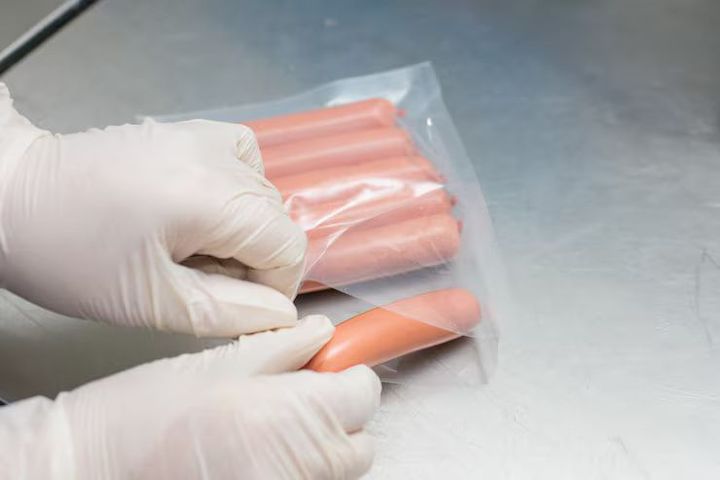
Vacuum sealing machines are packaging systems designed to remove air from a package and create a sealed enclosure around the product. The process generally involves placing a product inside a suitable pouch or container, extracting air, and heat-sealing the package.
Vacuum sealing is widely used for food products, pharmaceuticals, medical products, electronics, industrial components, and other items where reducing air exposure can be useful. The equipment can range from compact chamber machines to automated systems integrated into larger packaging lines.
A typical vacuum sealing machine contains a vacuum chamber or vacuum nozzle, vacuum pump, sealing bar, temperature controller, pressure controls, and an operating interface. The machine configuration depends on package dimensions, material, product characteristics, and required production conditions.
Basic Vacuum Sealing Process
The general process involves several stages:
- The product is placed inside a suitable packaging pouch.
- The open pouch is positioned within the machine.
- Air is extracted from the package or chamber.
- The sealing system heats the selected area of the packaging material.
- Pressure is applied to create the seal.
- The sealed package is released.
- The package can then undergo inspection, labelling, or secondary packaging.
The exact sequence varies between chamber, external-nozzle, continuous, and automated vacuum sealing systems.
Main Types of Vacuum Sealing Machines
| Machine Type | Typical Use | Main Feature |
|---|---|---|
| Chamber vacuum sealer | Food and general packaging | Package and air extraction occur inside chamber |
| External vacuum sealer | Small-volume packaging | Vacuum nozzle works outside the package |
| Double-chamber vacuum sealer | Repeated packaging operations | Two chambers support alternating cycles |
| Continuous vacuum sealer | Higher-throughput packaging | Designed for repeated operation |
| Automatic vacuum packaging machine | Integrated packaging lines | Combines vacuum and sealing operations |
| Vacuum tray sealer | Prepared foods and products | Removes air and seals trays |
| Industrial vacuum sealer | Industrial and large-format packaging | Handles larger packages and demanding cycles |
Importance
Vacuum sealing can influence package protection, product handling, storage conditions, and packaging efficiency. The appropriate machine depends on the characteristics of both the product and the packaging material.
Air Removal
Removing air reduces the amount of oxygen remaining inside a package. For certain products, this can help limit oxidation and other air-related changes.
However, vacuum packaging does not automatically make a product shelf-stable or eliminate the need for appropriate storage conditions. Product-specific food safety procedures remain important.
Seal Integrity
The quality of the final seal is a major factor in vacuum packaging. A package can lose its vacuum if the seal is incomplete, contaminated, overheated, underheated, or mechanically damaged.
Important sealing parameters can include:
- Sealing temperature
- Sealing time
- Sealing pressure
- Vacuum level
- Packaging material
- Seal-bar condition
- Product position near the seal
Packaging Material Compatibility
Vacuum sealing is generally performed with packaging materials designed for the intended process. Flexible multilayer films, laminated pouches, and other suitable structures may be used depending on the application.
Material selection should consider barrier properties, heat-sealing behavior, mechanical strength, product compatibility, and applicable packaging requirements.
Product Protection
Vacuum packaging can reduce the volume of air surrounding a product and can provide a compact package format. This can be useful for products that benefit from reduced exposure to moisture, oxygen, dust, or external contamination.
The actual protection level depends on the packaging material, seal quality, product characteristics, and storage environment.
Process Control
Modern vacuum sealing machines can use electronic controls to manage vacuum duration, sealing temperature, sealing time, and cooling cycles.
Digital controls and sensors can also help operators monitor machine conditions and repeat established packaging cycles.
Recent Updates
Recent developments in vacuum sealing technology have focused on automation, monitoring, material compatibility, packaging efficiency, and integration with broader packaging systems.
Automation and Digital Controls
Modern machines increasingly use programmable controls and digital interfaces. Parameters such as vacuum time, sealing temperature, sealing duration, and cooling time can be configured according to the package format.
Automated systems can also communicate with upstream and downstream packaging equipment.
Improved Vacuum Monitoring
Vacuum sensors can monitor pressure during the air-removal stage. Monitoring helps identify deviations from the selected vacuum cycle and can support process consistency.
Some systems can also detect conditions associated with incomplete vacuum cycles before the package leaves the machine.
Packaging Line Integration
Vacuum sealing equipment can be integrated with conveyors, tray handling systems, weighing equipment, labelling machines, inspection equipment, and secondary packaging systems.
This approach allows vacuum sealing to become one stage within a broader automated packaging line rather than a separate manual operation.
Packaging Material Developments
Packaging materials continue to evolve toward structures with improved barrier characteristics and reduced environmental impact. For food applications in India, the Food Safety and Standards Authority of India maintains specific packaging requirements concerning food-contact materials and packaging suitability. Its current packaging compendium includes heat-sealed polyethylene pouches, laminated structures, multilayer pouches, and other packaging formats.
FSSAI also issued a 2025 amendment concerning the use of recycled plastics in food packaging, making material selection and regulatory compatibility increasingly relevant for packaging operations.
Digital Inspection
Machine vision and sensor-based inspection can be incorporated into packaging systems to examine seal areas, package appearance, labels, and other defined characteristics.
For automated production, inspection data can support process monitoring and help identify recurring packaging deviations.
Laws or Policies
Regulatory requirements depend on the product being packaged. Food packaging has specific requirements, while pharmaceutical, medical, chemical, and other applications may have additional rules.
Food Packaging Requirements
In India, the Food Safety and Standards Authority of India regulates food packaging through the Food Safety and Standards (Packaging) Regulations, 2018 and subsequent amendments.
The regulations define food-grade packaging materials as materials that are safe and suitable for their intended use and should not create unacceptable changes to food composition or characteristics.
The current FSSAI packaging framework also recognizes several flexible and multilayer packaging formats, including heat-sealed PE pouches and plastic-based multilayer heat-sealed pouches.
Recycled Plastic Considerations
FSSAI's 2025 amendment addressed the use of recycled plastics in food packaging. Where vacuum-sealed food packages use plastic packaging materials, the applicable requirements should therefore be considered when selecting packaging structures and materials.
FSSAI continues to publish amendments and draft amendments to its packaging regulations, including developments during 2026.
Plastic Packaging and EPR
Where vacuum packaging uses plastic packaging covered by India's plastic-waste framework, Extended Producer Responsibility requirements may also become relevant to the responsible producer, importer, or brand owner.
The Central Pollution Control Board's plastic EPR framework has undergone changes, and the earlier plastic EPR portal was discontinued on 28 June 2026 following migration to the Common EPR Portal.
CPCB information also lists Plastic Waste Management amendments through 2026 and related EPR notices and reporting requirements.
Product-Specific Requirements
Vacuum sealing machines used for pharmaceutical, medical, or other regulated products may require additional controls related to packaging materials, cleanliness, validation, documentation, and package integrity.
Therefore, machine specifications should be evaluated together with the regulatory requirements applicable to the product rather than treating vacuum sealing as a standalone packaging operation.
Tools and Resources
Several machine components and supporting systems contribute to effective vacuum sealing.
Vacuum Pump
The vacuum pump removes air from the chamber or package. Pump capacity and configuration influence the time required to reach the selected vacuum level.
Vacuum Chamber
In chamber machines, the package is placed inside an enclosed chamber. Air is removed from the chamber before the pouch is sealed.
Sealing Bar
The sealing bar applies heat and pressure to the open edge of the pouch. Temperature, pressure, and sealing time must be appropriate for the selected packaging material.
Vacuum Sensors
Pressure sensors monitor the vacuum level and provide information to the control system. They can help maintain repeatable vacuum cycles.
Control Panel
The control panel allows operators to configure and monitor process parameters. Advanced systems may use touchscreen HMIs and programmable recipes.
Inspection Equipment
Supporting inspection systems can include:
- Seal inspection systems
- Leak detection equipment
- Vision inspection cameras
- Checkweighers
- Barcode or code verification systems
- Package appearance inspection
Packaging Materials
Common material considerations include:
- Flexible vacuum pouches
- Laminated films
- Multilayer packaging structures
- Heat-sealable films
- Barrier packaging materials
- Vacuum-compatible trays
Material selection should be based on the product, sealing conditions, barrier requirements, storage environment, and applicable regulations.
FAQs
What is a vacuum sealing machine?
A vacuum sealing machine removes air from a package and seals the packaging material to create a closed package with reduced internal air.
How does a vacuum sealing machine work?
The machine extracts air from the package or chamber and then applies heat and pressure to seal the open portion of the packaging material.
Where are vacuum sealing machines used?
Vacuum sealing machines are used in food packaging, pharmaceutical packaging, medical applications, electronics, industrial components, and other applications requiring controlled packaging conditions.
What are the main types of vacuum sealing machines?
Common types include chamber vacuum sealers, external vacuum sealers, double-chamber systems, continuous vacuum packaging machines, and automated vacuum sealing systems.
What factors should be considered when selecting a vacuum sealing machine?
Important factors include product characteristics, package dimensions, packaging material, required vacuum level, sealing temperature, cycle time, production volume, inspection requirements, and applicable regulations.
Conclusion
Vacuum sealing machines combine air extraction and heat sealing to create controlled packaging conditions for many types of products. Their design can range from compact chamber systems to automated equipment integrated into complete packaging lines. Vacuum level, seal integrity, packaging material, machine controls, and inspection systems are important considerations when evaluating the technology. Current developments in automation, digital monitoring, packaging materials, and regulatory requirements are also influencing modern vacuum packaging systems.