Ultimate Guide to Industrial Conveyor Belts
Learn about industrial conveyor belts, their types, applications, and key features. Explore how these essential systems improve operational efficiency across manufacturing and logistics.
Industrial conveyor belts are essential mechanical systems that have revolutionized material handling across numerous industries. These systems automate the movement of goods, materials, and products from one location to another, significantly reducing labor costs and improving operational efficiency. Conveyor belts are found in manufacturing plants, warehouses, mining operations, food processing facilities, and distribution centers worldwide. Understanding how conveyor belts work, their various types, and their applications is crucial for anyone involved in industrial operations or facility management.

Benefits and Limitations of Conveyor Belt Systems
Conveyor belt systems offer numerous advantages that make them indispensable in industrial settings. The primary benefit is increased efficiency—these systems can move large quantities of materials continuously without human intervention, significantly boosting productivity. They reduce labor requirements, lower operational costs, and minimize product damage compared to manual handling methods. Conveyor belts also improve workplace safety by removing workers from potentially hazardous environments and repetitive tasks.
However, conveyor systems do have limitations. Initial installation costs can be substantial, requiring significant capital investment. The systems require regular maintenance to prevent breakdowns and ensure optimal performance. Additionally, conveyor belts are best suited for facilities with consistent material flow; they may be less cost-effective for operations with highly variable or seasonal demands. Customization for specific applications can also be complex and time-consuming.
Types of Industrial Conveyor Belts
Different industrial applications require different conveyor belt types, each designed with specific materials and operational needs in mind.
- Rubber Conveyor Belts: The most common type, suitable for general-purpose material handling, mining, and agriculture. Rubber offers excellent grip and durability.
- PVC Conveyor Belts: Ideal for food processing and pharmaceutical applications due to their hygienic properties and ease of cleaning.
- Modular Conveyor Belts: Made of interlocking plastic modules, these belts are flexible, easy to maintain, and suitable for complex routing patterns.
- Metal Conveyor Belts: Used in high-temperature applications and heavy-duty industrial processes where rubber or plastic would degrade.
- Fabric Conveyor Belts: Lightweight and suitable for lighter loads, often used in packaging and light manufacturing.
- Inclined Conveyor Belts: Designed with special surfaces to transport materials at angles, common in mining and aggregate handling.
Emerging Trends in Conveyor Belt Technology
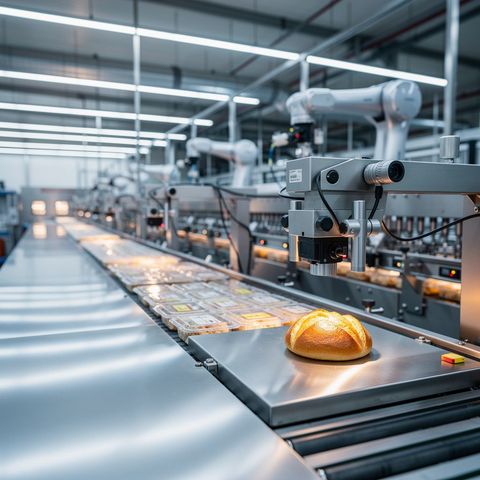
The conveyor belt industry continues to evolve with technological advancements. Smart conveyor systems now incorporate sensors and IoT technology to monitor performance, predict maintenance needs, and optimize operations. Energy-efficient motors and drive systems reduce power consumption, lowering operational costs. Sustainable materials are becoming more prevalent, with manufacturers developing eco-friendly belt options. Automation integration allows conveyor systems to work seamlessly with robotics and other automated systems, creating fully integrated material handling solutions. Additionally, modular and flexible conveyor designs enable easier customization and reconfiguration for changing operational needs.
Key Features of Industrial Conveyor Belts
When evaluating conveyor belt systems, several key features deserve attention:
| Feature | Description | Importance |
|---|---|---|
| Belt Width | Ranges from 300mm to 2000mm or more | Determines material capacity and throughput |
| Speed Capacity | Typically 0.5 to 5 meters per second | Affects production rate and efficiency |
| Temperature Resistance | Varies by material, -40°C to +200°C | Critical for specific applications |
| Load Capacity | Measured in tons per hour | Determines suitability for material volume |
| Incline Angle | Up to 45 degrees depending on design | Affects material handling versatility |
| Durability Rating | Measured in operational hours | Indicates maintenance frequency and lifespan |
Leading Conveyor Belt Manufacturers and Solutions
The global conveyor belt market includes numerous manufacturers offering diverse solutions. Established companies provide standardized systems with proven reliability, while specialized manufacturers focus on niche applications and custom solutions. Many manufacturers now offer integrated systems that combine conveyor belts with automation technology, control systems, and predictive maintenance capabilities. When selecting a manufacturer, consider their experience in your industry, technical support availability, spare parts accessibility, and warranty offerings.
Selecting the Right Conveyor Belt System
Choosing an appropriate conveyor belt system requires careful evaluation of your specific operational needs. Consider the material type and volume you'll be transporting, the environmental conditions (temperature, humidity, chemical exposure), the required throughput rate, available space for installation, and your budget constraints. Assess whether you need a simple horizontal system or a more complex inclined or curved configuration. Evaluate maintenance requirements and the availability of technical support in your region. Consulting with industry experts and reviewing case studies from similar operations can provide valuable insights for your decision-making process.
Practical Tips for Conveyor Belt Maintenance
Proper maintenance extends conveyor belt lifespan and ensures reliable operation. Implement a regular inspection schedule to identify wear, misalignment, or damage early. Keep the belt clean and free from debris that could cause premature wear. Monitor belt tension regularly—improper tension causes accelerated wear and reduced efficiency. Lubricate moving parts according to manufacturer specifications. Train operators on proper loading techniques to prevent overloading and uneven wear. Document all maintenance activities and keep detailed records of repairs and replacements. Address minor issues promptly before they develop into major problems requiring costly repairs or system downtime.
Conveyor Belt Selection Checklist
Use this checklist when evaluating conveyor belt systems for your operation:
- Identified material type and volume requirements
- Determined required belt width and speed capacity
- Assessed temperature and environmental conditions
- Evaluated available installation space and layout
- Calculated expected throughput and production targets
- Reviewed maintenance capabilities and support availability
- Compared options from multiple manufacturers
- Verified warranty coverage and spare parts availability
- Assessed total cost of ownership, not just purchase price
- Confirmed compatibility with existing systems and infrastructure
Frequently Asked Questions About Industrial Conveyor Belts
What is the typical lifespan of an industrial conveyor belt?
The lifespan varies depending on the belt type, material, operating conditions, and maintenance practices. Rubber conveyor belts typically last 3 to 5 years under normal operating conditions, while some specialized belts may last longer. Proper maintenance, correct tension, and appropriate loading significantly extend belt life.
How do I know if my conveyor belt needs replacement?
Signs of wear include visible cracks, fraying edges, reduced grip or slippage, unusual noises, or decreased efficiency in material transport. If repairs become frequent or the belt shows significant damage, replacement is usually more cost-effective than continued repairs.
Can conveyor belts be used in food processing facilities?
Yes, specifically designed food-grade conveyor belts made from FDA-approved materials like PVC are used extensively in food processing. These belts meet strict hygiene standards and are easy to clean and sanitize.
What safety considerations should I keep in mind with conveyor systems?
Proper guarding, emergency stop systems, lockout-tagout procedures, and operator training are essential. Regular safety inspections and compliance with industry standards help prevent accidents and injuries.
Are there environmentally friendly conveyor belt options available?
Yes, manufacturers are developing sustainable options using recycled materials and eco-friendly compounds. These options reduce environmental impact while maintaining performance standards.
How does belt speed affect operational efficiency?
Higher belt speeds increase throughput but may require more powerful motors and generate more heat. The optimal speed depends on your material type, load weight, and production targets. Faster speeds aren't always more efficient if they compromise product quality or increase energy consumption.
Conclusion
Industrial conveyor belts remain fundamental to efficient material handling across diverse industries. Understanding the different types available, their specific applications, and key performance features enables businesses to make informed decisions that optimize operations and reduce costs. As technology continues to advance, conveyor systems become increasingly intelligent and efficient, offering better integration with automated processes and improved predictive maintenance capabilities. Whether you're establishing a new facility or upgrading existing systems, careful evaluation of your specific needs against available options ensures you select a solution that delivers reliable, cost-effective performance for years to come. By implementing proper maintenance practices and staying informed about industry developments, you can maximize the value and longevity of your conveyor belt investment.